
A Frequent Visitor's Insider Guide to the Best 5 Days in and Around Quito, Ecuador
Updated July 2026
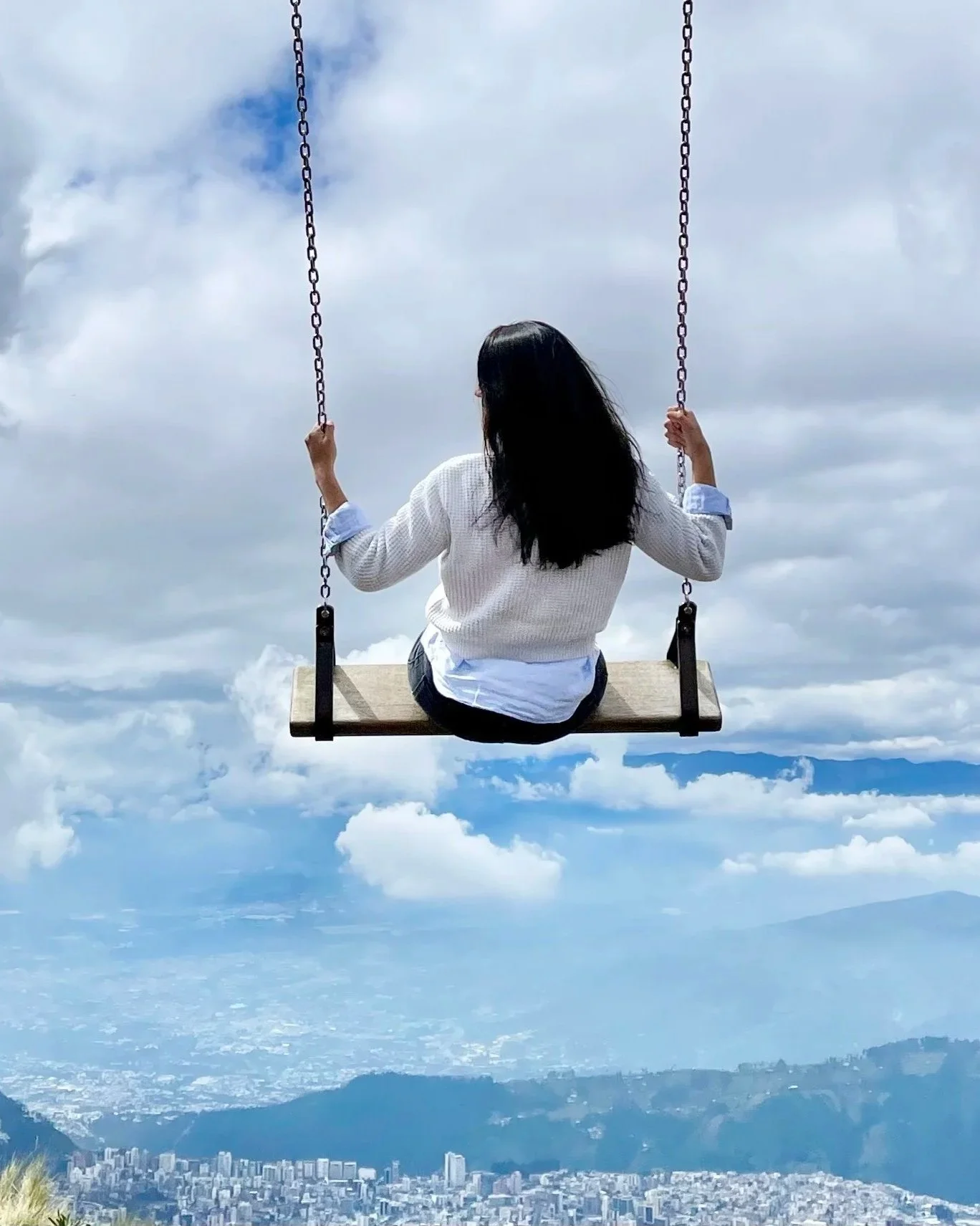
The TelefériQo swing, suspended nearly 13,000 feet above Quito.
Ecuador is one of the smallest countries in South America yet ranks among the top ten most biodiverse countries in the world. Its ecological diversity spans the Galápagos Islands, the Costa (coast), the Sierra (Andean region), and the Oriente (Amazon rainforest). Named for the equator line that divides the country, Ecuador takes real pride in its location.
I've been visiting the capital, Quito, in the Andean region my entire life. Both of my parents are from there, and most of my family still lives there. Since the 1980s, I've made the trip back twenty times or so, and I'm still amazed every visit at how much the city continues to evolve.
If Ecuador isn't on your list yet, it should be. In this post, I'm sharing how I'd plan five days in Quito — enough time to fall for the city and use it as your launch pad into the rest of the country. Spend the five days back-to-back or spread them out; either way, these are one-day itineraries I've done again and again and think you will, too.
In This Post
Planning Your Trip to Quito
Getting to Quito
It may sound obvious, but book a place to stay before you leave. When you land at Mariscal Sucre International Airport (UIO), you'll be asked for the address of where you're staying — and since most international arrivals come in on a connection, you may land late in the day or at night, so it helps to have that settled ahead of time.
My top recommendation is La Carolina, Quito's central business hub, filled with shops, cafés, and restaurants.
Where to Stay in Quito
Sheraton Quito & JW Marriott Hotel Quito — Throughout a lifetime of visiting Quito, I've mostly stayed at hotels, mainly because the value for a five-star property is hard to beat. My go-tos are the Sheraton Quito and the JW Marriott Hotel Quito. Both have excellent in-house restaurants and are very well located.
Want to compare more hotel options for your dates?
Search Stays in Quito on Booking.com →This is an affiliate link — if you book through it, I may earn a small commission at no extra cost to you.
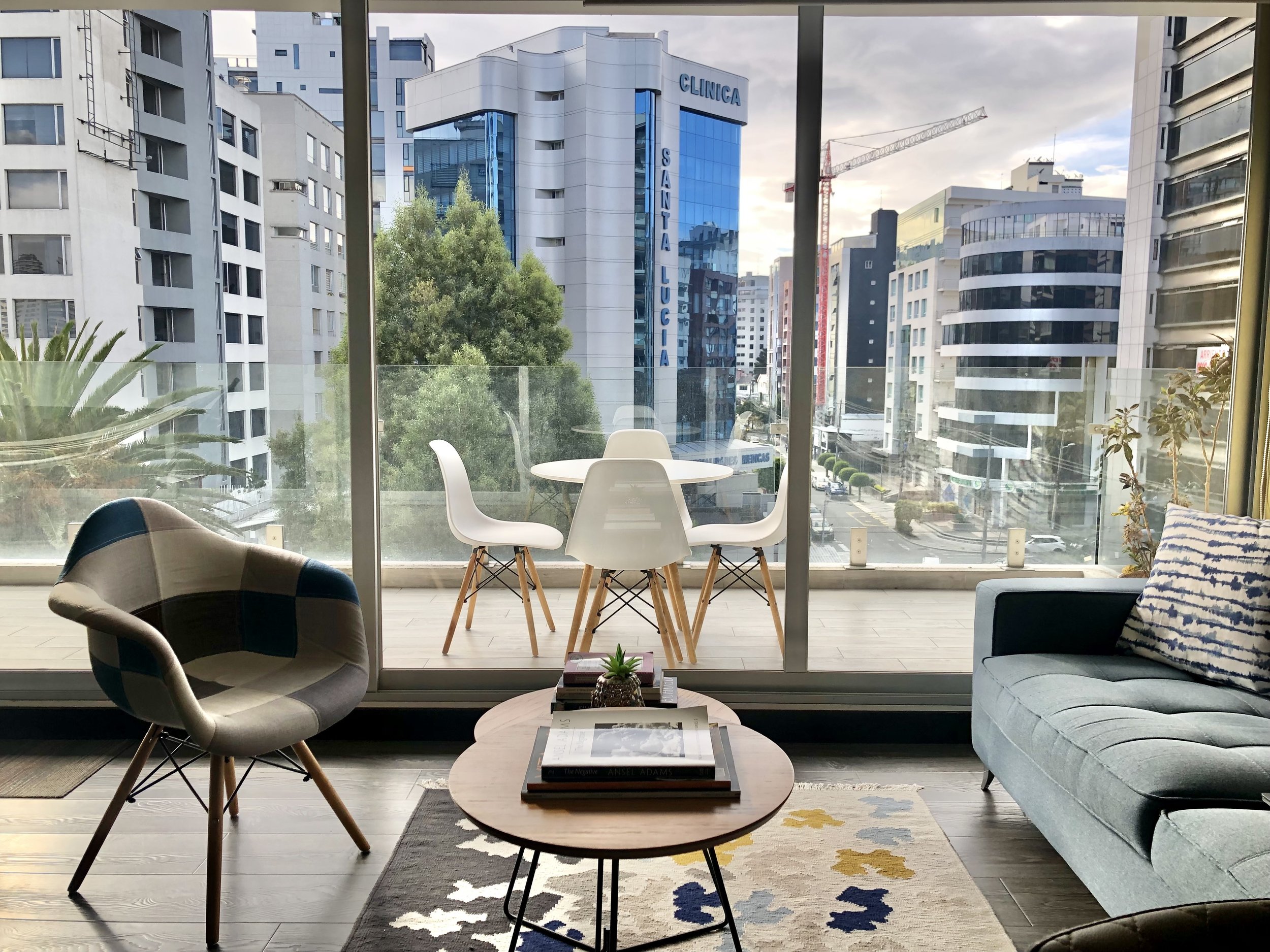
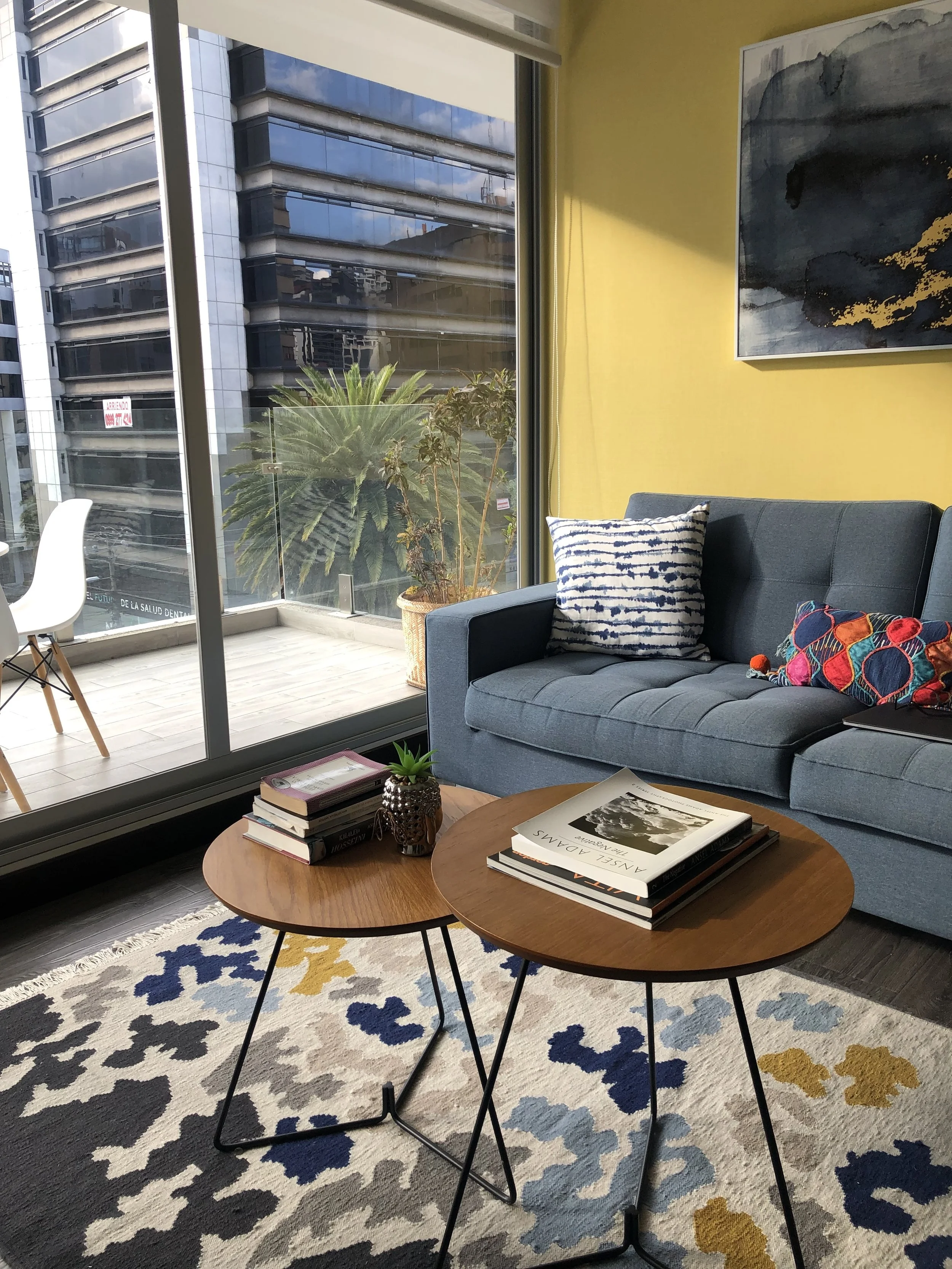
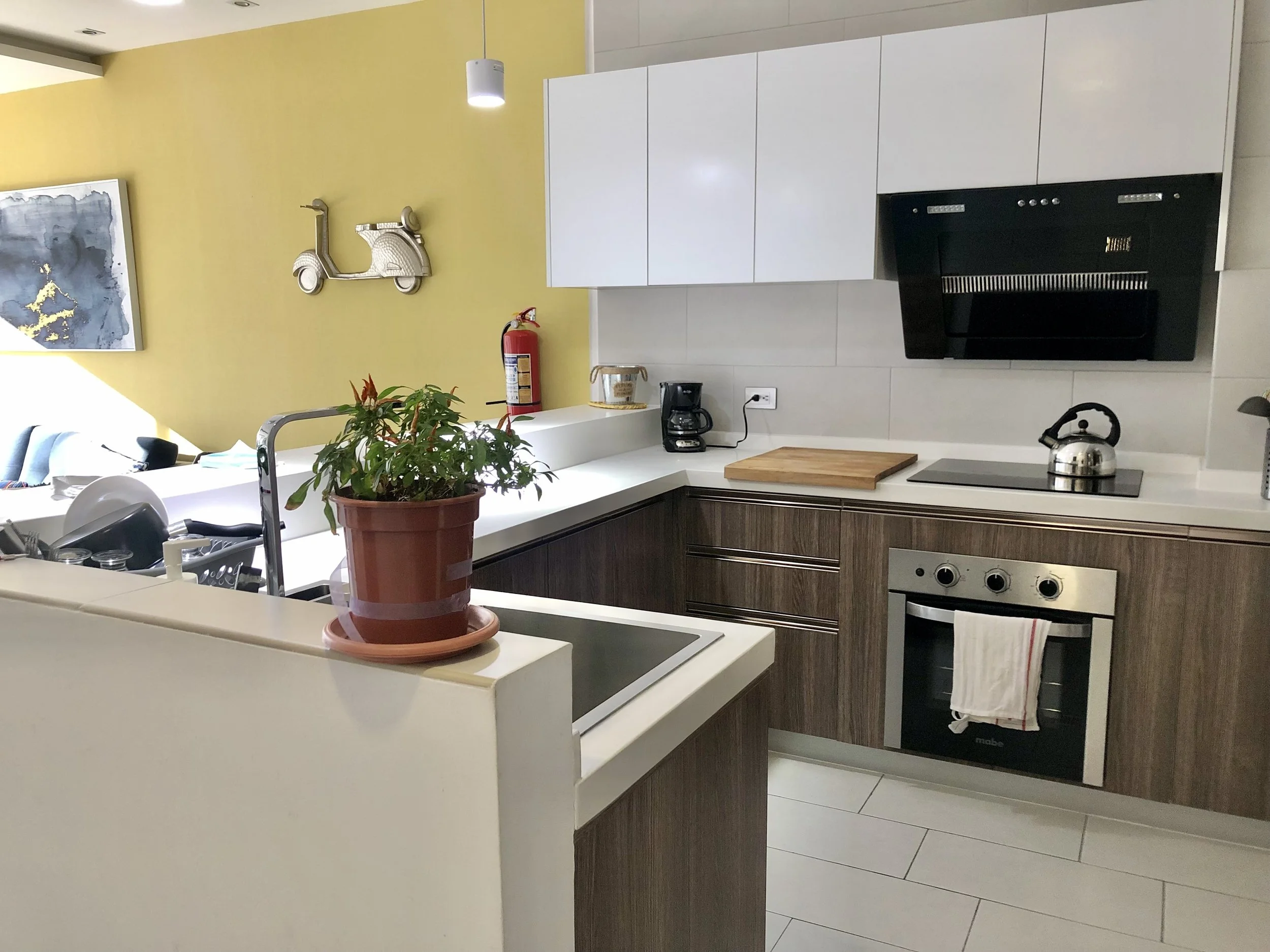
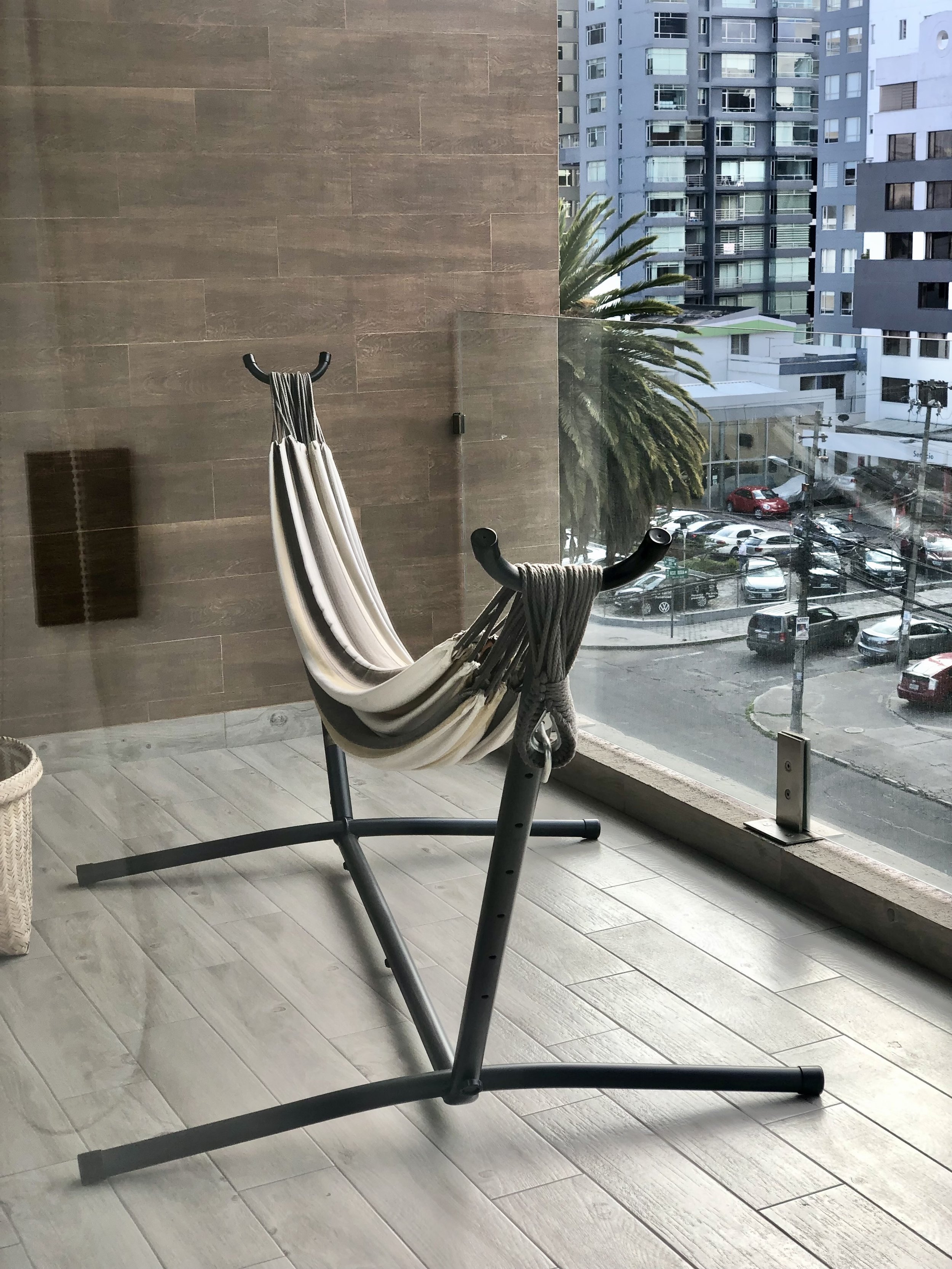
Airbnb — On a ten-day stay, I found a one-bedroom apartment in an elevator building with a doorman and a balcony, for a very fair price for the space. It made the trip easier on the nights I didn't want to deal with hotel check-in and check-out. If you're planning an extended stay, an apartment like this is worth the flexibility — you can see the listing I stayed in here.
Getting Around Quito
I've used Cristian as my driver in Quito for years — he's professional, reliable, and knows the city (and the roads out to Otavalo and Baños) better than almost anyone. Highly recommend booking him for airport transfers or day trips.
The old Quito airport sat in the middle of the city, surrounded by mountains and high winds — a real risk to air traffic, and its cramped runways couldn't expand to keep up with growing tourism. It's since been replaced by the new Mariscal Sucre International Airport, which opened in 2013 about 11 miles east of the city near the town of Tababela. It's ten times larger than the old airport and a genuine game-changer for the country.
The airport is a 35- to 45-minute ride from town, depending on traffic, so I suggest booking a car service. You can also take a taxi, but I always prefer a personal recommendation for a driver. For other transportation options from the airport, see the official airport guide.
Before You Go: Altitude, Weather & Money
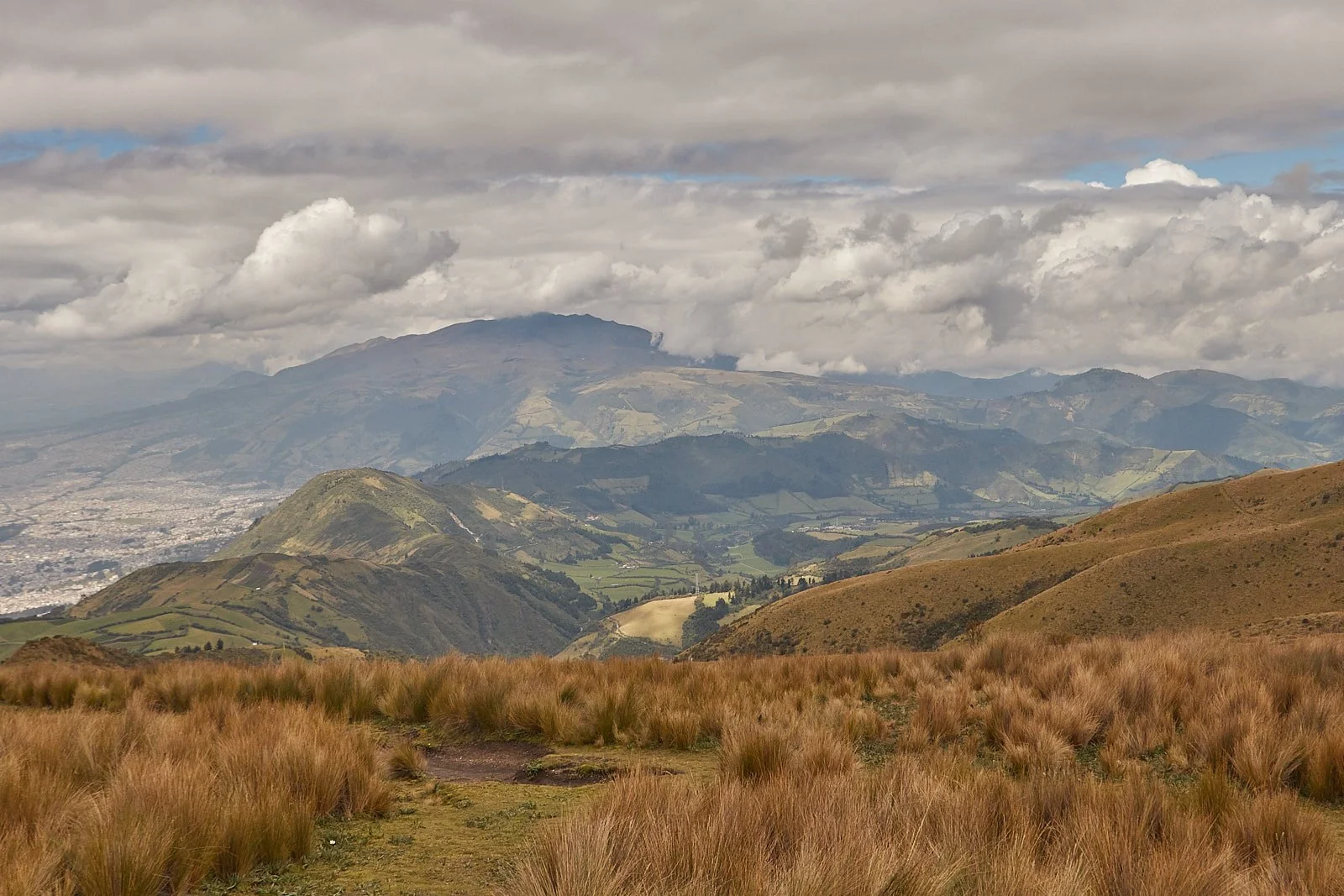
Altitude: Quito sits at roughly 9,350 feet (2,850 meters), making it the second-highest capital city in the world. Altitude sickness — locally called soroche — is common in the first day or two and usually shows up as a mild headache, shortness of breath, or fatigue. Keep your first day light, drink more water than usual, go easy on alcohol and heavy coffee for the first 24 hours, and lean on carbs (potatoes, rice, bread) to help your body adjust. It typically passes on its own within a day or two.
Weather: Quito's elevation keeps temperatures mild year-round, generally in the 50s to 60s°F. The rainy season runs roughly October through May, so pack layers and something waterproof no matter when you go.
Money: Ecuador's official currency is the U.S. dollar, so there's no exchange needed for U.S. travelers. Keep small bills on hand for markets and taxis, and plan to tip around 10% at restaurants (many already add a service charge to the bill, so check before tipping twice).
Day 1: Mitad del Mundo & Crater de Pululahua
Mitad del Mundo
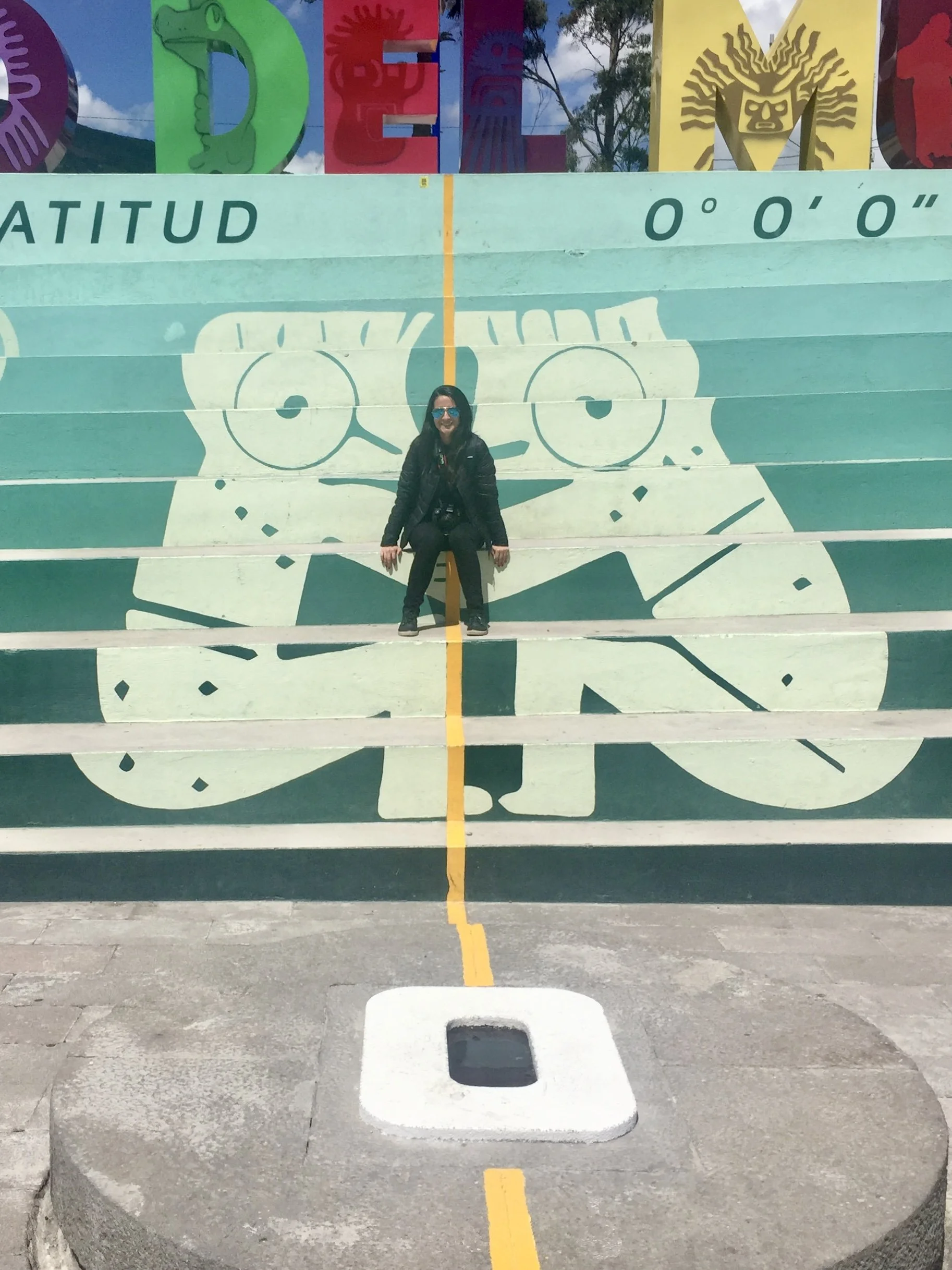


No trip to Quito is complete without a visit to Mitad del Mundo (Middle of the World), where you'll find the Monument to the Equator and the equatorial line itself. Beyond the monument, there are shops, restaurants, a museum, a planetarium, and on weekends, live music and cultural events.
Crater de Pululahua


The Pululahua crater sits north of Quito, inside a reserve built around the Pululahua Volcano. It's one of only two inhabited volcanic craters in the world, and the only one that's farmed. It's one of the most peaceful views around, and a natural add-on stop when you're already headed to Mitad del Mundo.
Day 2: Otavalo & Lago San Pablo
Otavalo Market
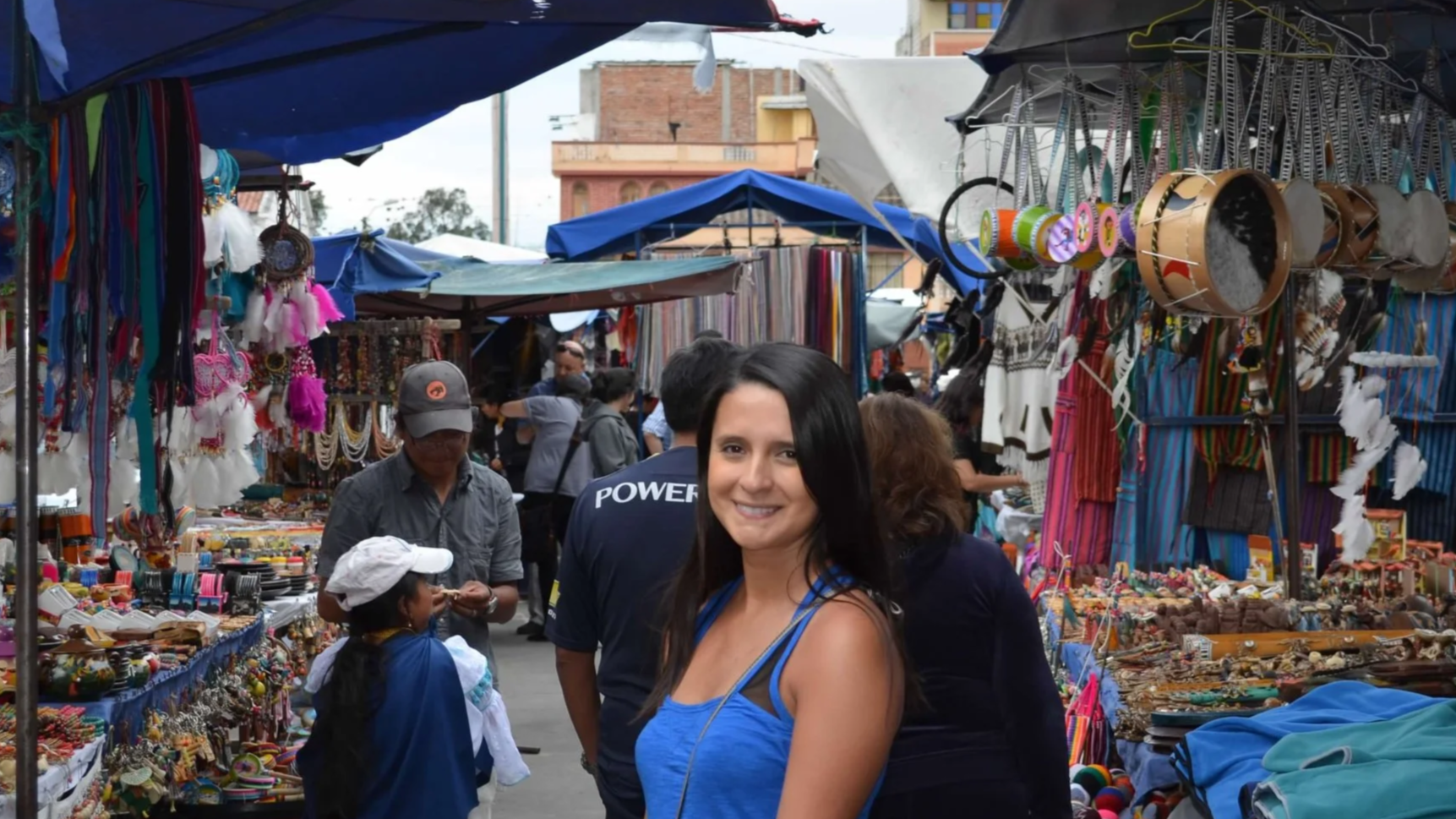
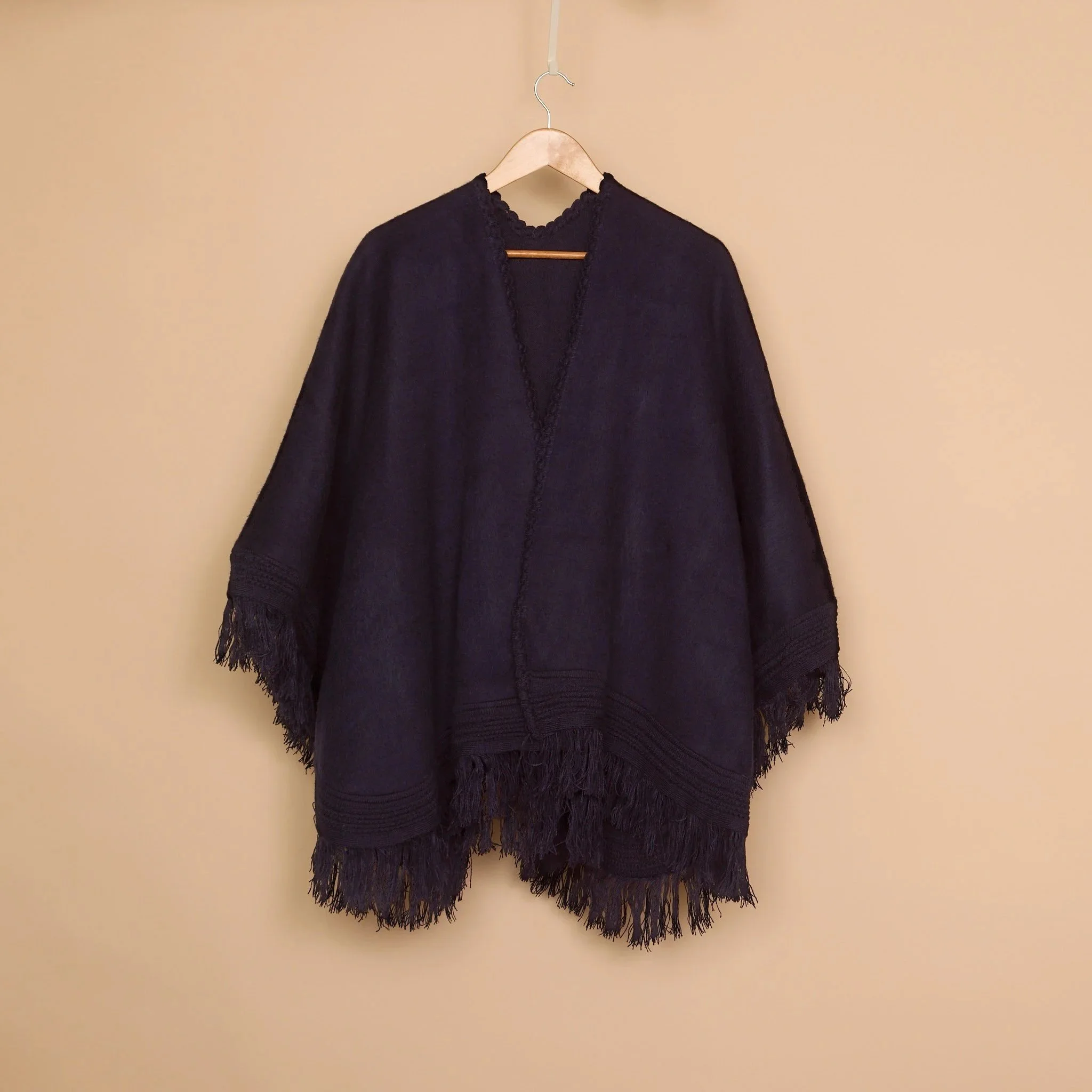
Ready for a day trip? Otavalo, about a two-hour drive north of Quito, is one of my all-time favorite places to visit. The Otavalo Market, the largest indigenous market in Ecuador, is the place to go on a Saturday for handwoven textiles, jewelry, and souvenirs — and if you fall for the weavings the way I have, you can see more of that same craftsmanship in my Otavalo Textiles collection.
Cabañas del Lago Hostería y Marina
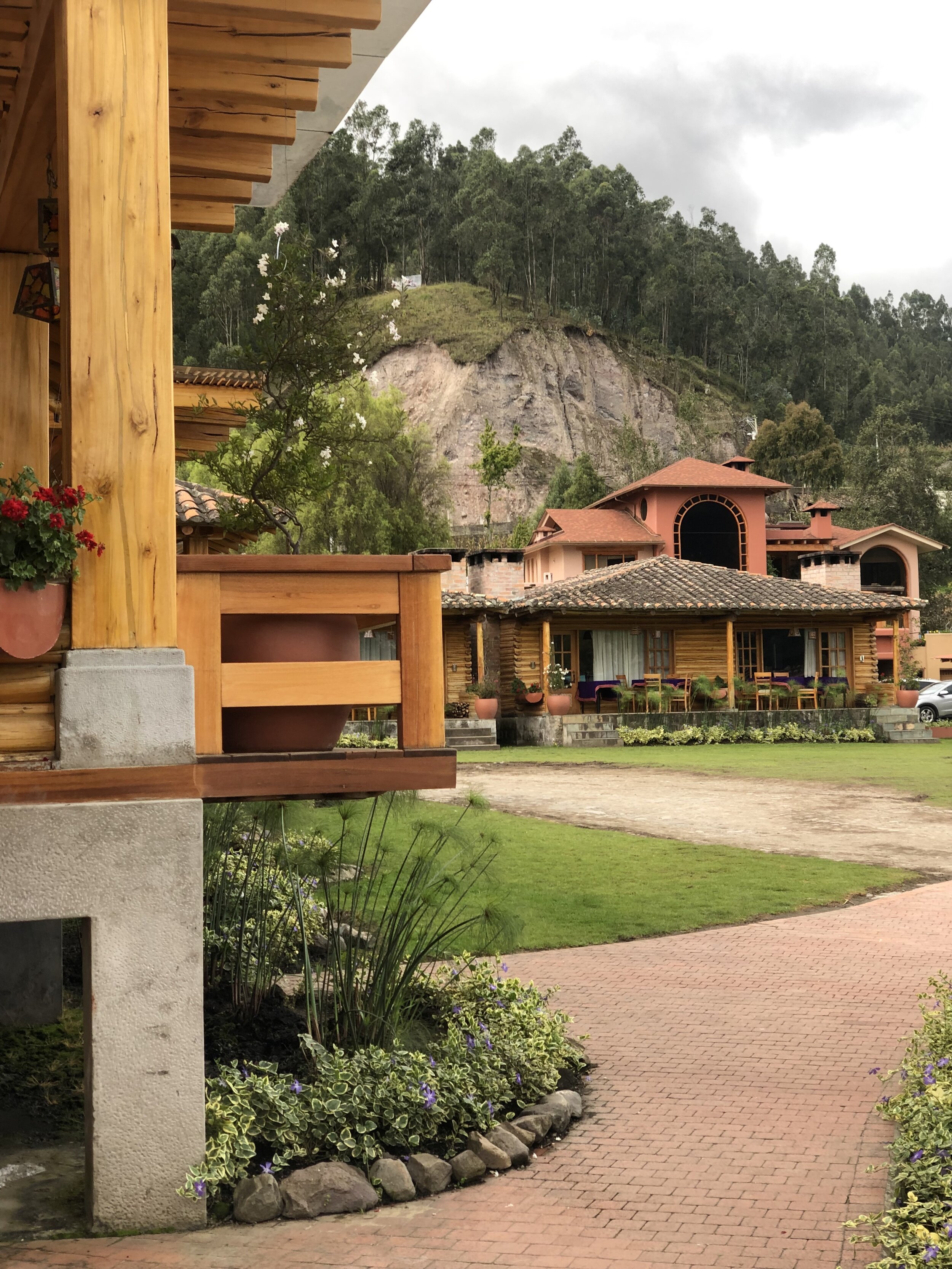
After shopping at the Otavalo Market, stop by Cabañas del Lago Hostería y Marina for lunch at Restaurante AWA, right on Lake San Pablo. The grounds get better every year I go back. If you feel like staying the night, the cabañas are worth it — I've vacationed here with my family for years, and whenever I can, I still sneak in a night for the view of the Imbabura Volcano at sunrise.


Day 3: TelefériQo & Centro Histórico
TelefériQo
The TelefériQo is an aerial cable car that opened in 2015 and climbs to almost 13,000 feet — one of the highest rides of its kind in the world. The twenty-minute trip up gives you sweeping views of the city, and once you're at the top, there's a swing suspended over the clouds, hiking trails, and other activities.


Centro Histórico
Quito was the first city in the world named a UNESCO World Heritage Site. The Historic Center is the part of Quito that's remained truest to its colonial roots, and it's the best place to get a real sense of how central culture and religion are here.


Day 4: Overnight Trip to Baños
Luna Volcán Adventure Spa
Baños, short for Baños de Agua Santa (Baths of Holy Water), sits about three hours south of Quito, right at the edge of the Oriente (jungle). It's a magnet for anyone who wants to be immersed in nature, and it's also Ecuador's adventure-sports hub, with zip-lining, waterfall hikes, and canyoning if you want to add an adrenaline day. Over the years I've vacationed with family and friends at Luna Volcán Adventure Spa, where you get access to adventure activities plus volcanic thermal pools, spa treatments, and food.


Day 5: A Day of Local Food, Crafts & Shopping
La Cevicheria Guayaca
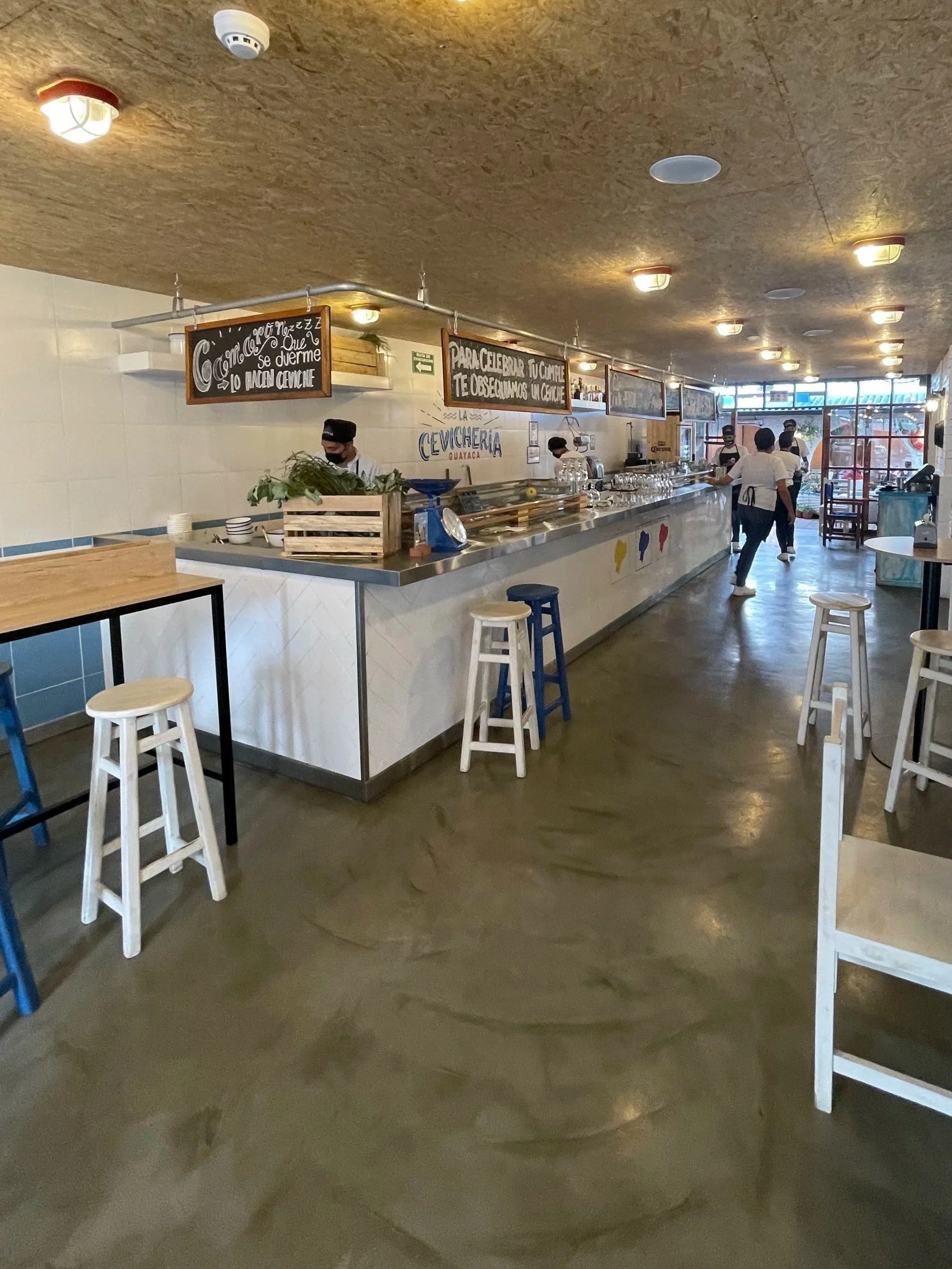
By day five, you'll probably be ready to stay local. La Cevicheria Guayaca — which, hands down, serves the best ceviche I've ever had, and I've had a lot of ceviche — has three locations across the city, so there's likely one near wherever you're staying. It was so good I tried going back on my next trip, and I made sure not to miss it a second time.


Mercado Artesanal La Mariscal
At this point, you're probably thinking about what to bring home for yourself and your loved ones. If you didn't make it to Otavalo, Mercado Artesanal La Mariscal has a really good selection of local handicrafts.
Quicentro
Quicentro, close to most of the places I've recommended staying, is one of several malls in the city where you can find stores, a supermarket, and a food court for when you're too tired to sit down at another restaurant. Tip: Stock up on coffee, chocolate, and other treats at good prices at the El Comisariato supermarket inside.
Final Thoughts: Is 5 Days in Quito Enough?
Looking toward El Panecillo and the Virgin of Quito from a busy street in Centro Histórico.
Yes, especially if you treat it as a launch pad rather than trying to see all of Ecuador in one trip. No matter how many times I go back, Quito still gets me. It's the mountains outside every window, the reliability of a good almuerzo, the way it feels entirely familiar and still worth exploring at the same time. Five days is enough to fall for the highlands and the market towns nearby, and to get a real first look at what makes this country so special. From here, you can head to the Galápagos, the Amazon, or the coast whenever you're ready. Go with an open schedule, comfortable shoes, and room in your suitcase for textiles and chocolate.
✧ For the intentionally curious traveler - pass it on.
If you have more time to explore Ecuador, I recommend visiting some of these other regions I’ve been to:
3 Days in Cuenca: The Ultimate Guide to Ecuador’s Hidden Gem
5 Wonders of Mindo Cloud Forest, Ecuador: A Perfect Day Guide for Anyone
A Complete San Cristóbal Island Guide: 5 Easygoing Days in the Galápagos

Karen Gomez
I'm a NYC-based travel writer, photographer, and the founder of Passport in Photos — for those who want to feel somewhere, not just see it.