
7 Day Mexico City Itinerary: A Complete Guide
Updated August 2026
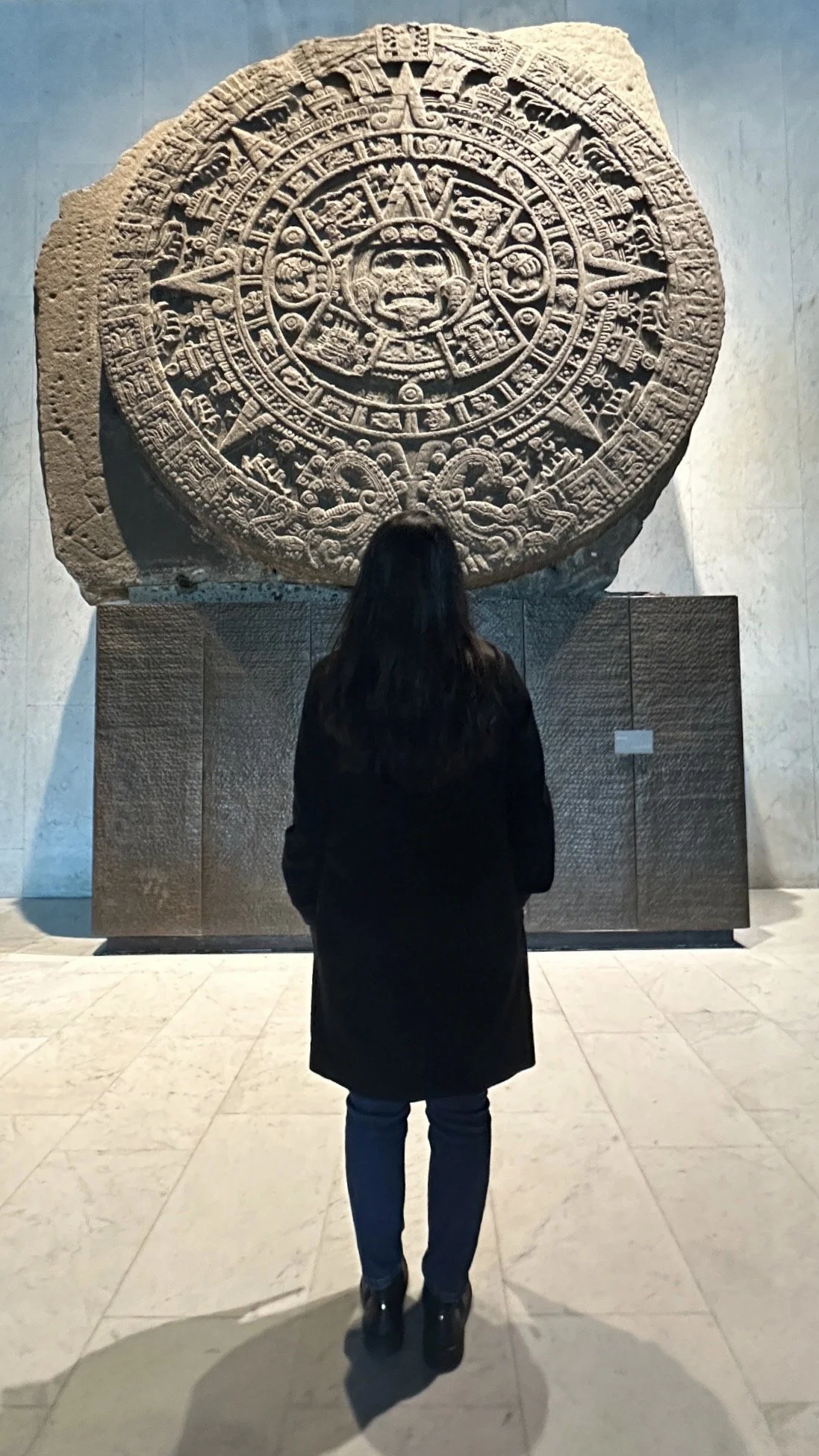
After my first trip to Mexico City, I came home with two lists: places I hadn't gotten to, and places I already knew I wanted to go back to. I went back for both. What I didn't expect was how much more the city had to offer beyond either list — new neighborhoods, new finds, more than I could fit into a second trip either. Two visits in, I still don't feel done, and may never be.
This itinerary is what came out of both trips — seven days, broken down by neighborhood, built from what actually worked, plus the things I wish I'd known before either visit. If you've never been, this is a solid starting point. If you're going back, I hope it points you toward what I missed the first time around.
How Many Days Do You Need in Mexico City?
Seven days is enough to cover Mexico City properly without rushing. This itinerary moves through six core areas — La Condesa, Roma Norte, Coyoacán, Centro Histórico, Polanco, and Chapultepec — plus one day trip to either Puebla or the Pyramids of Teotihuacán. It's built from two real trips, broken down day by day so you're not figuring out logistics once you land.
This post contains affiliate links. If you book through these links, I may earn a small commission at no extra cost to you.
Day 1: La Condesa & Roma Norte
arrival & transportation
Plan to fly into Aeropuerto Internacional Benito Juárez Ciudad de México. I booked our round-trip tickets using AAdvantage miles. Uber is the easiest way to get around the city; DiDi is a solid backup if surge pricing hits.
WHERE TO STAY
With this many neighborhoods to choose from, picking a base in Mexico City is one of the harder planning decisions. Here are two places I've stayed, plus one I'd book on a future trip.
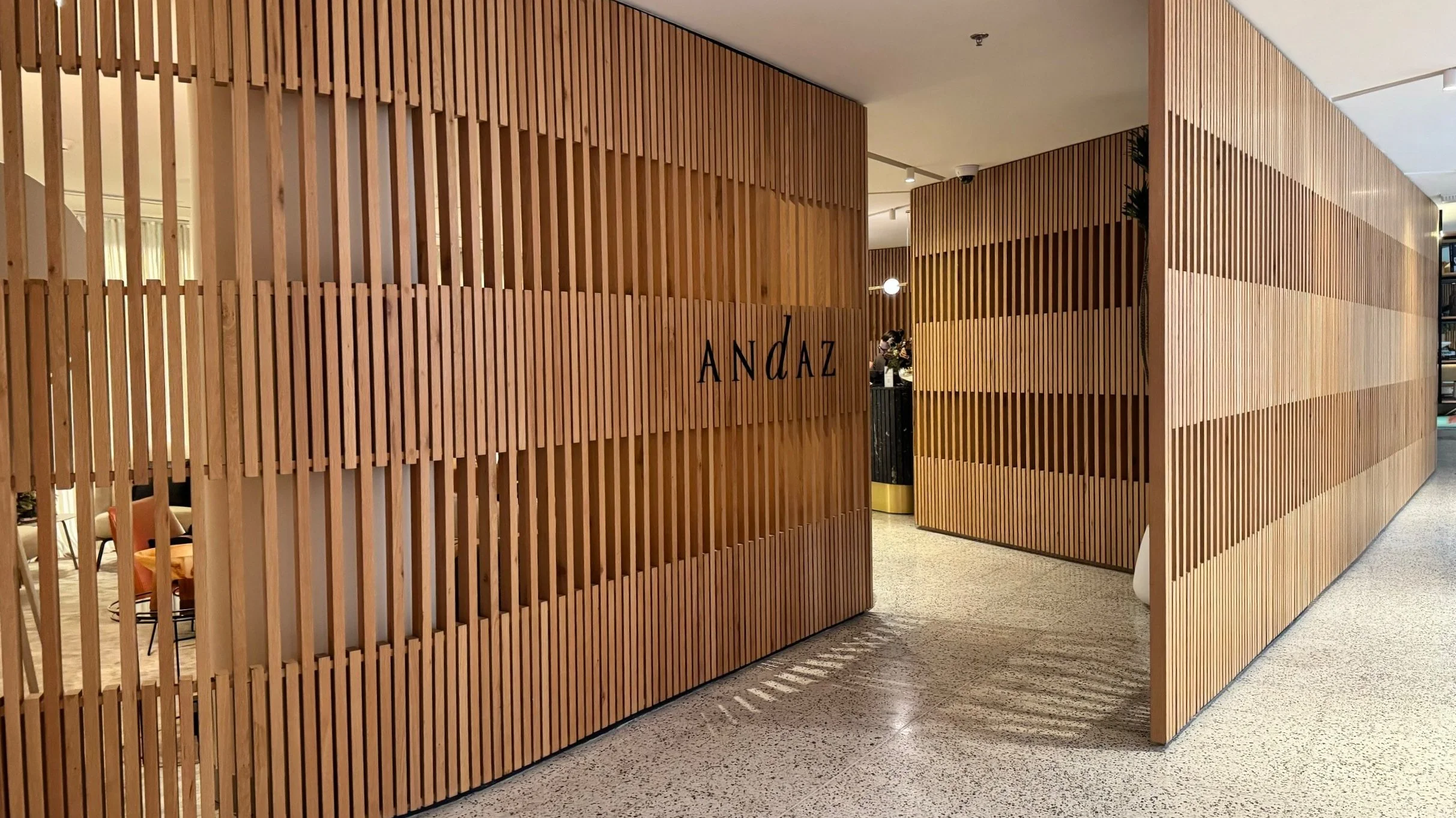
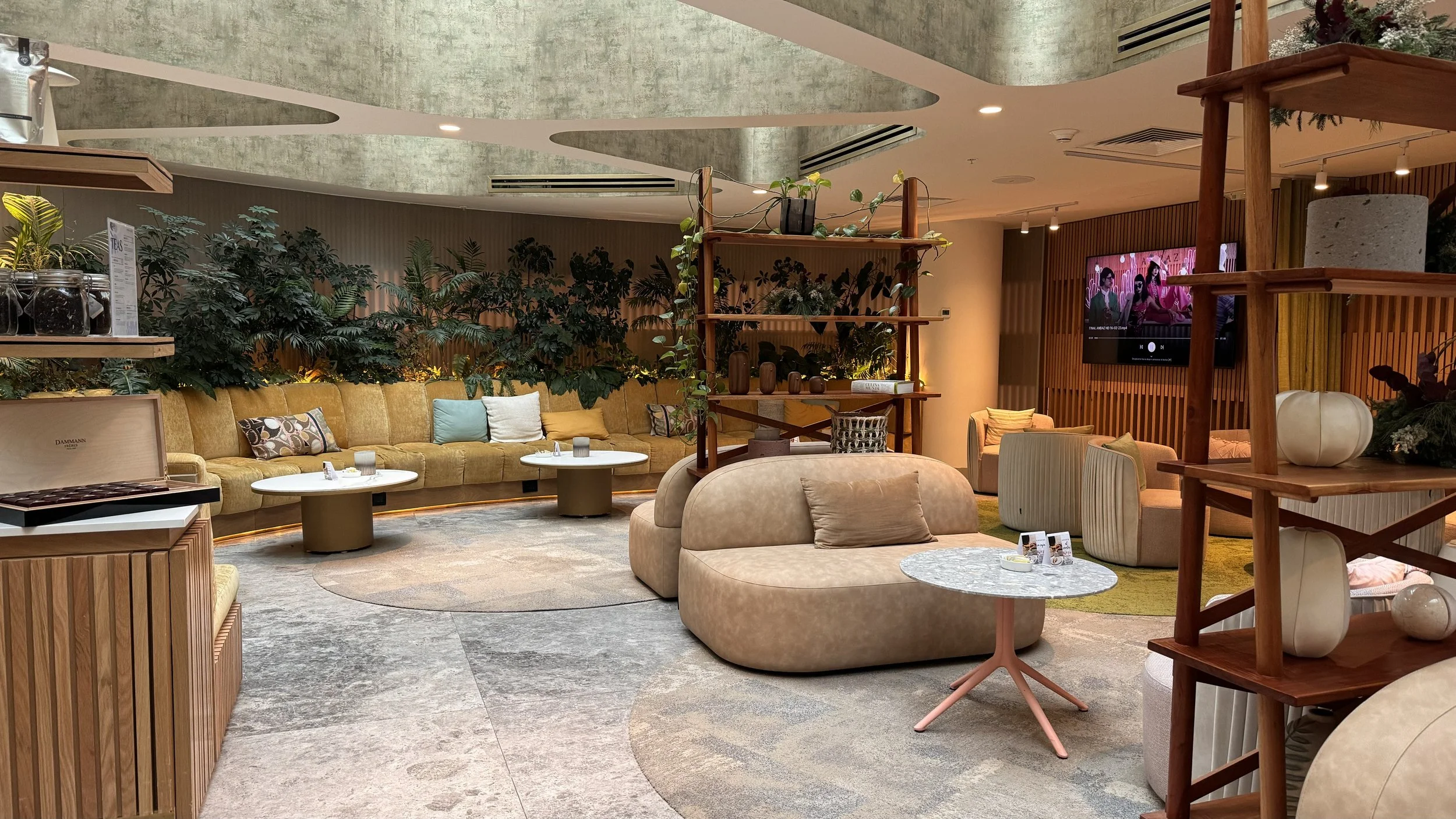
ANDAZ MEXICO CITY CONDESA
Andaz Mexico City Condesa is just a few blocks from the neighborhood's cafes and Art Deco streets. I booked our stay using Chase Ultimate Rewards points. Boutique-luxury tier, and a good pick if you want to be walkable to everything on this list.
The St. Regis Mexico City
St. Regis Mexico City is a five-star hotel on Paseo de la Reforma, closer to the museums and shopping than to Condesa's café scene. I stayed here on my first trip, booked with Starwood Preferred points, now Marriott Bonvoy Rewards. Full-luxury tier, and a better fit if proximity to Reforma and Polanco matters more to you than the Condesa neighborhood feel.

WALK AROUND LA CONDESA AND ROMA NORTE
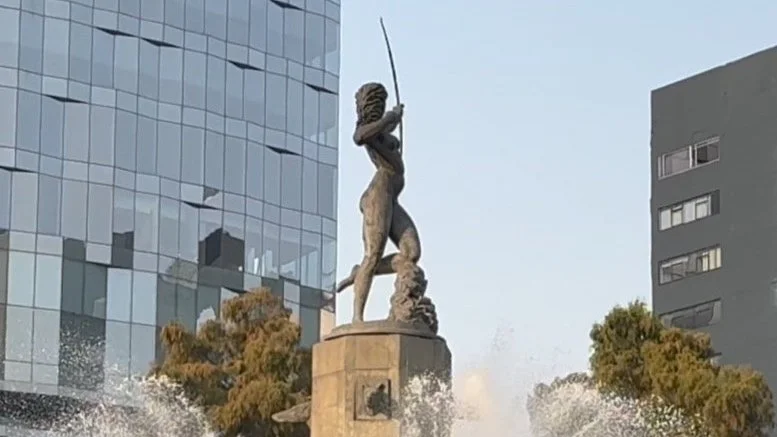
Wherever you decide to stay, spend your first afternoon on foot in these two neighborhoods. La Condesa has tree-lined streets, small parks, and Art Deco buildings. Roma Norte, right next door, leans more toward galleries and newer restaurants. Give yourself at least half a day, since neither one is really made for rushing through.
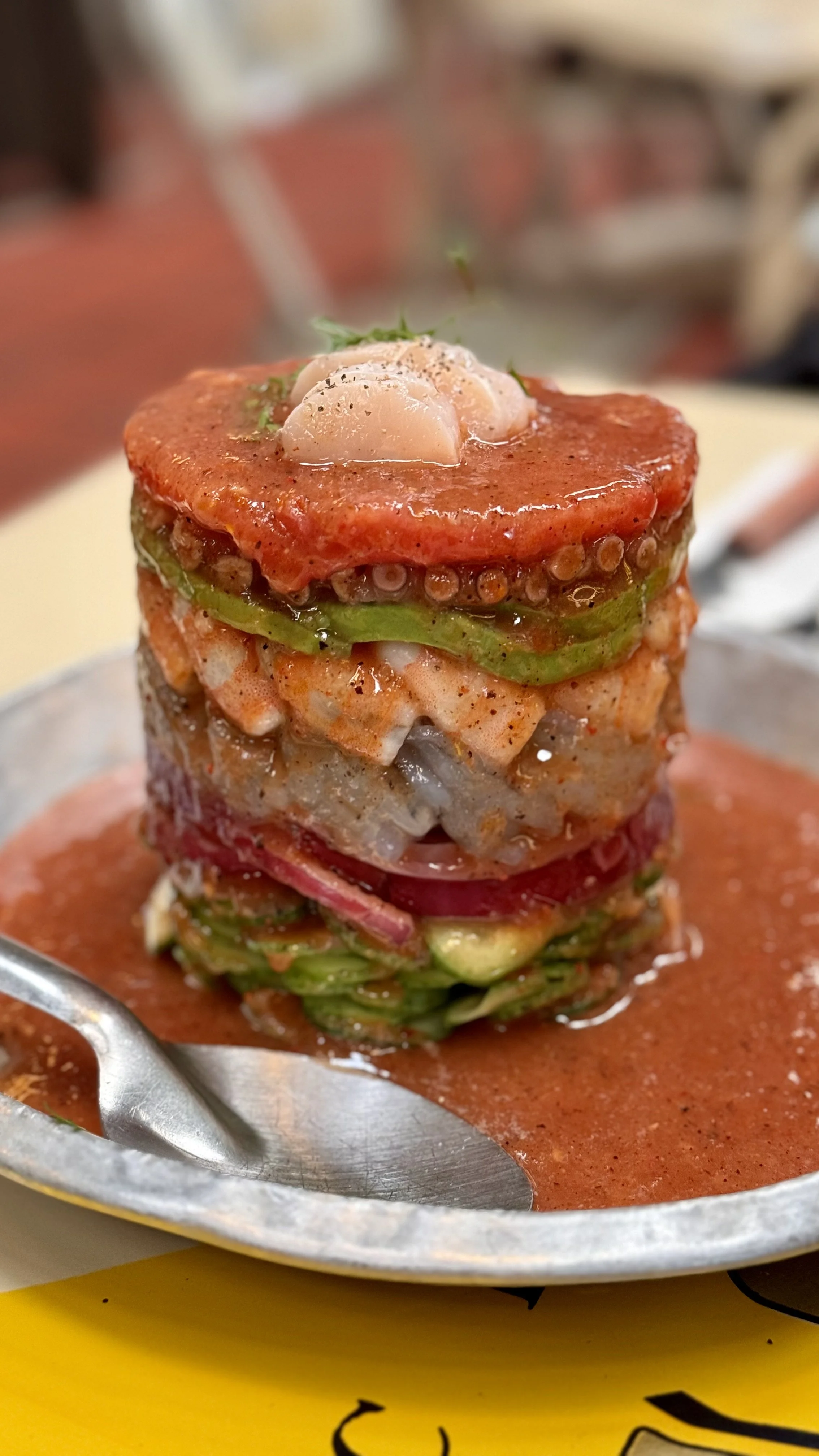
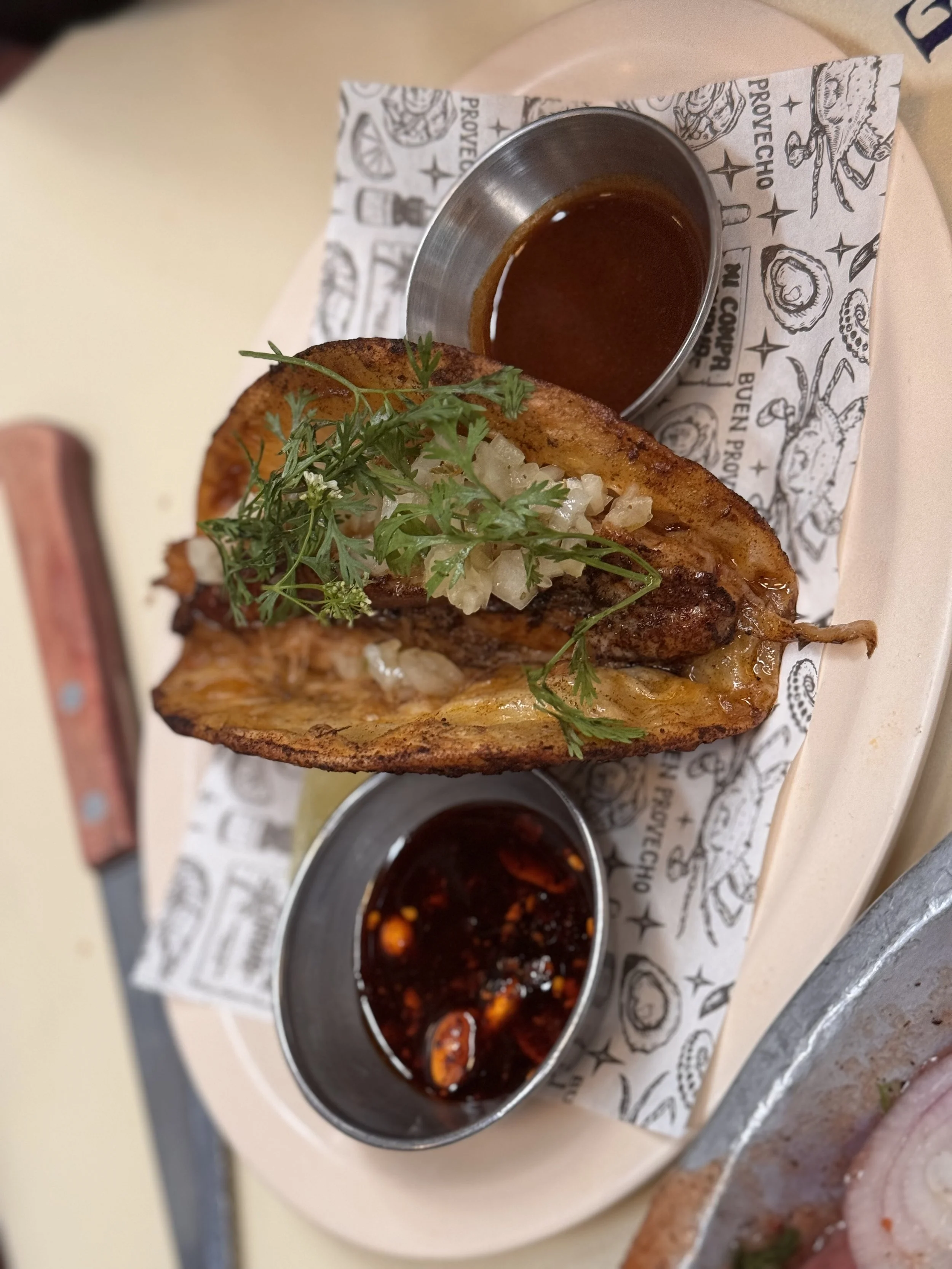
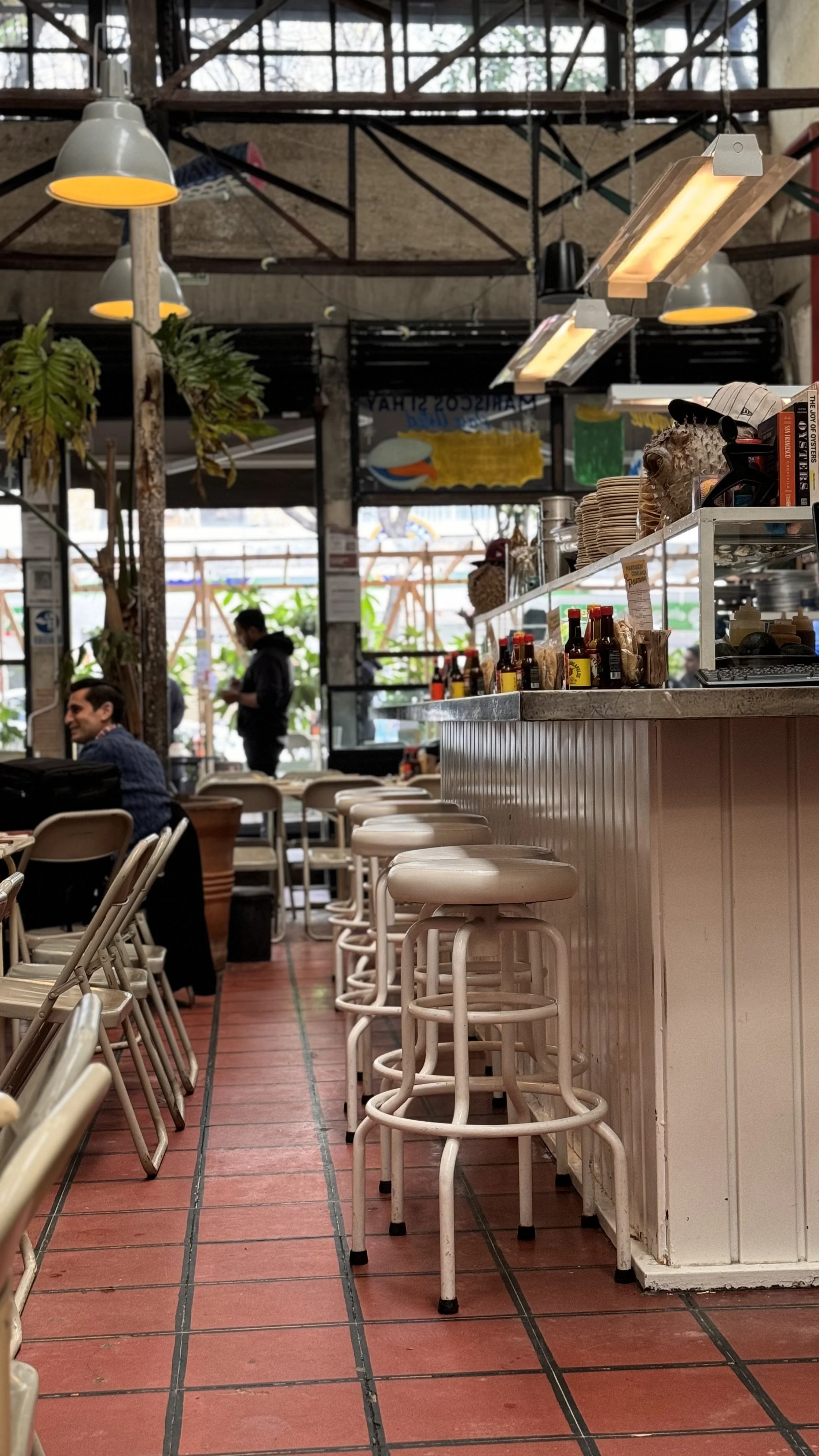
DINE AT MI COMPA CHAVA IN ROMA NORTE
Mi Compa Chava is a very good first stop for lunch or dinner. The food here takes traditional Mexican dishes and gives them a modern spin without losing what made the originals work.

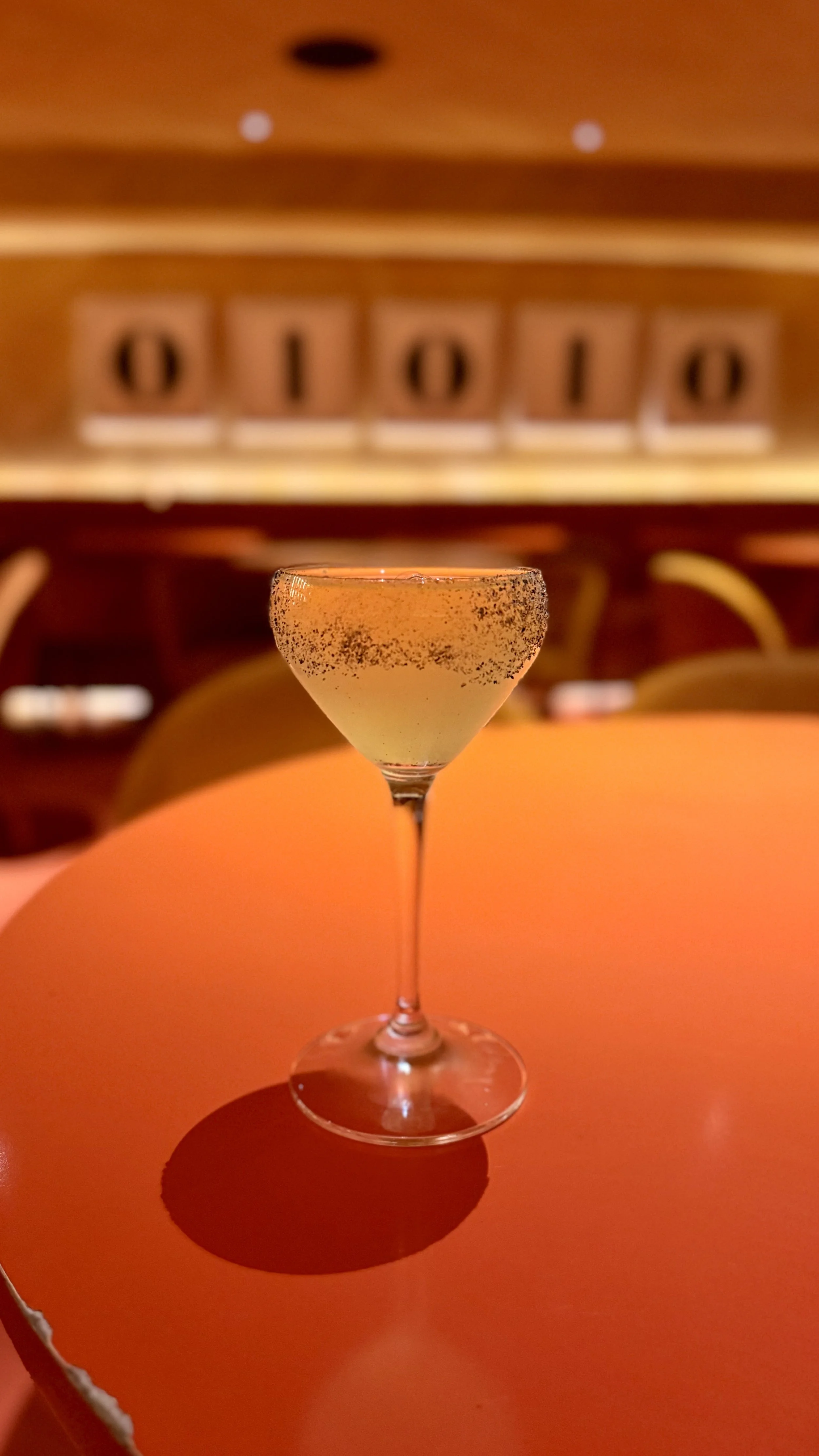
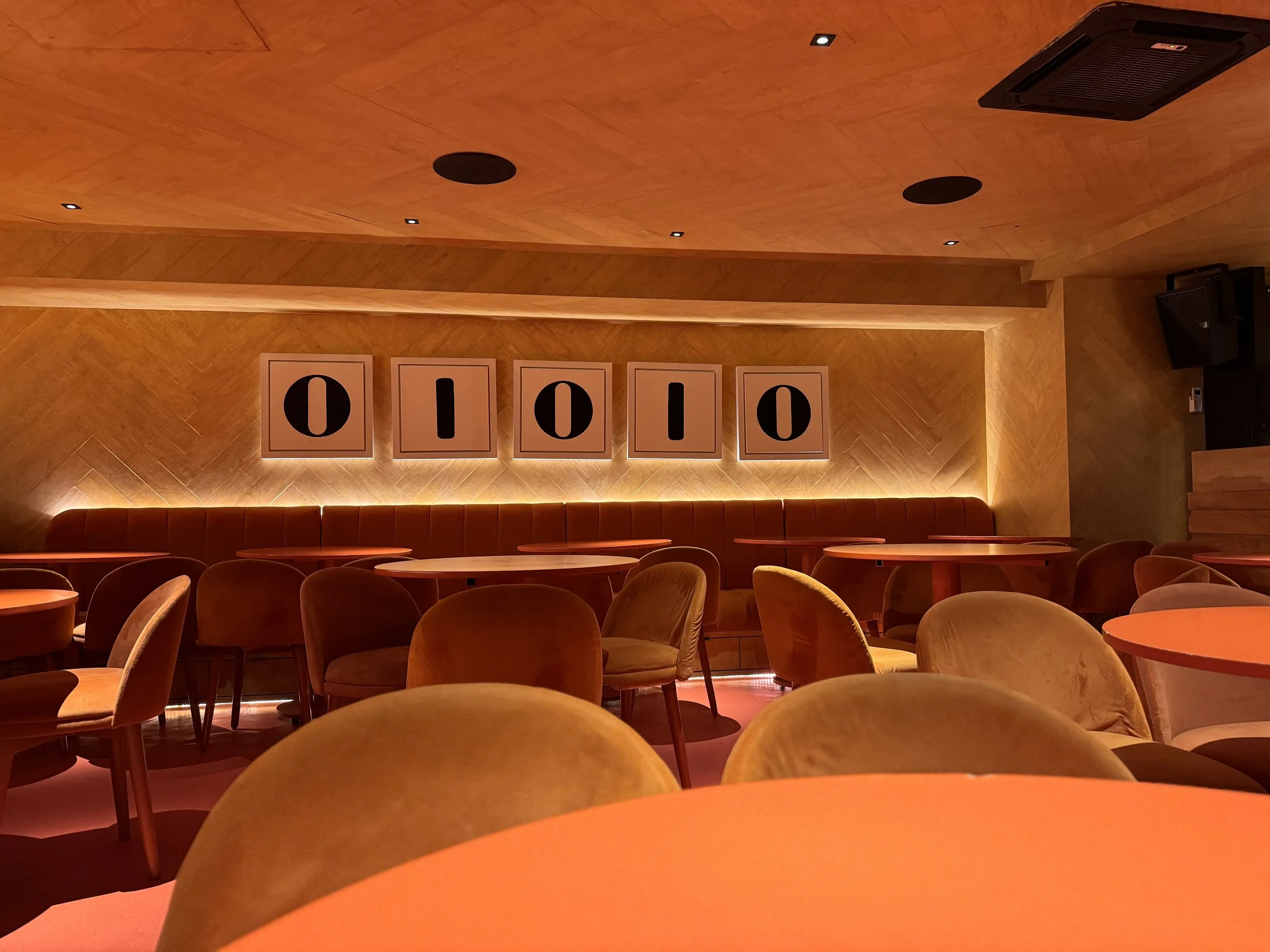
DRINKS AT OLOLO
Close out day one with a cocktail at Ololo. It's a small speakeasy-style bar with live vinyl sets Thursday through Saturday. It's a small room, so book ahead on OpenTable.


Day 2: Coyoacán
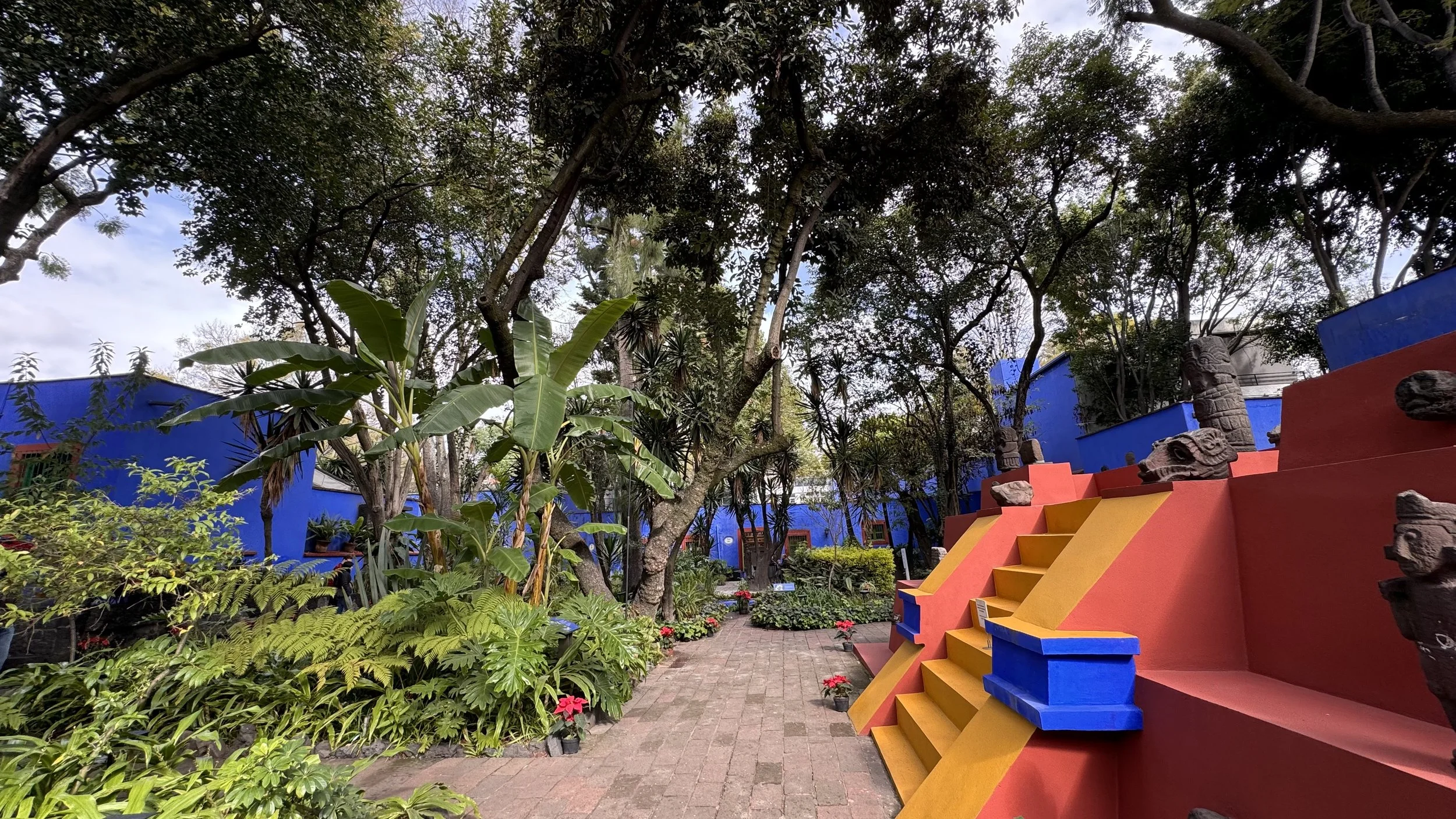
Coyoacán is one of the oldest parts of Mexico City, with cobblestone streets and colonial architecture that's held up well. It's also where Frida Kahlo lived, and La Casa Azul, her family home turned museum, is the main reason most people build a day around this neighborhood.
Tip: Start early, and don't plan this day for a Monday. Most of Coyoacán's key spots, including the Frida Kahlo Museum, are closed.
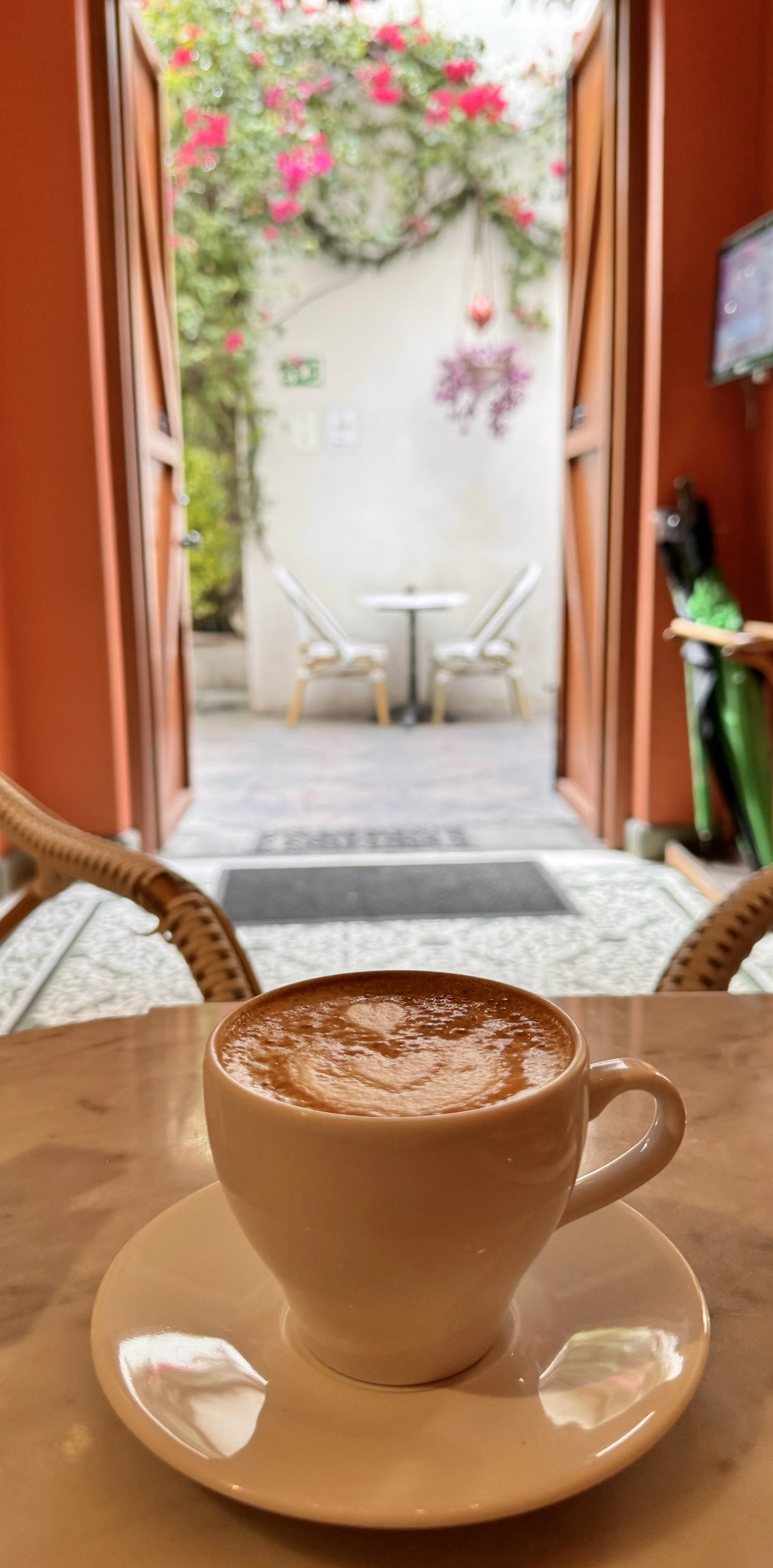
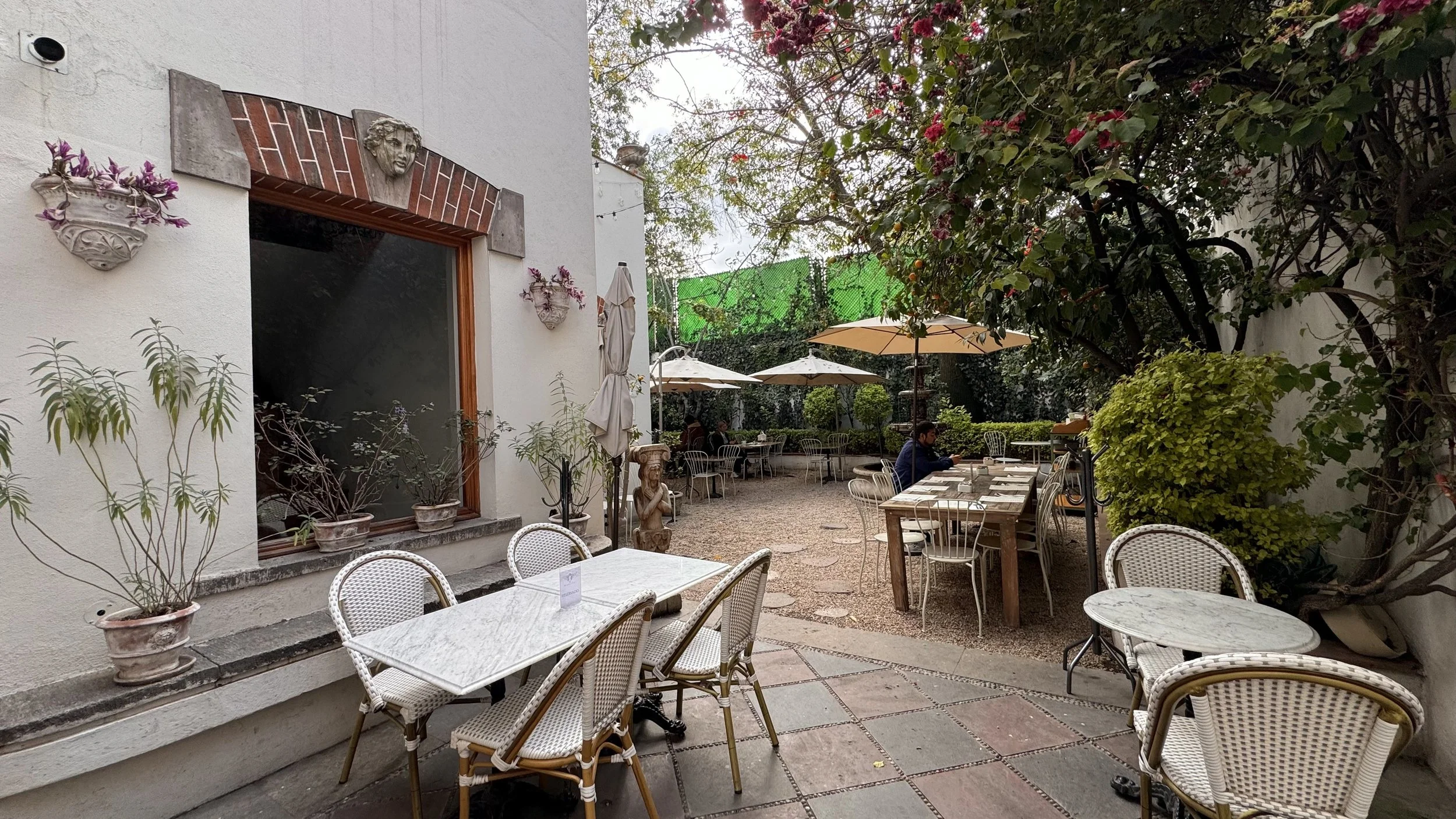
Breakfast at Maratea
Maratea is a good place to start the day. It has a small garden setting and Mediterranean-style food, perfect for coffee and pastries or a light breakfast before heading into Coyoacán.


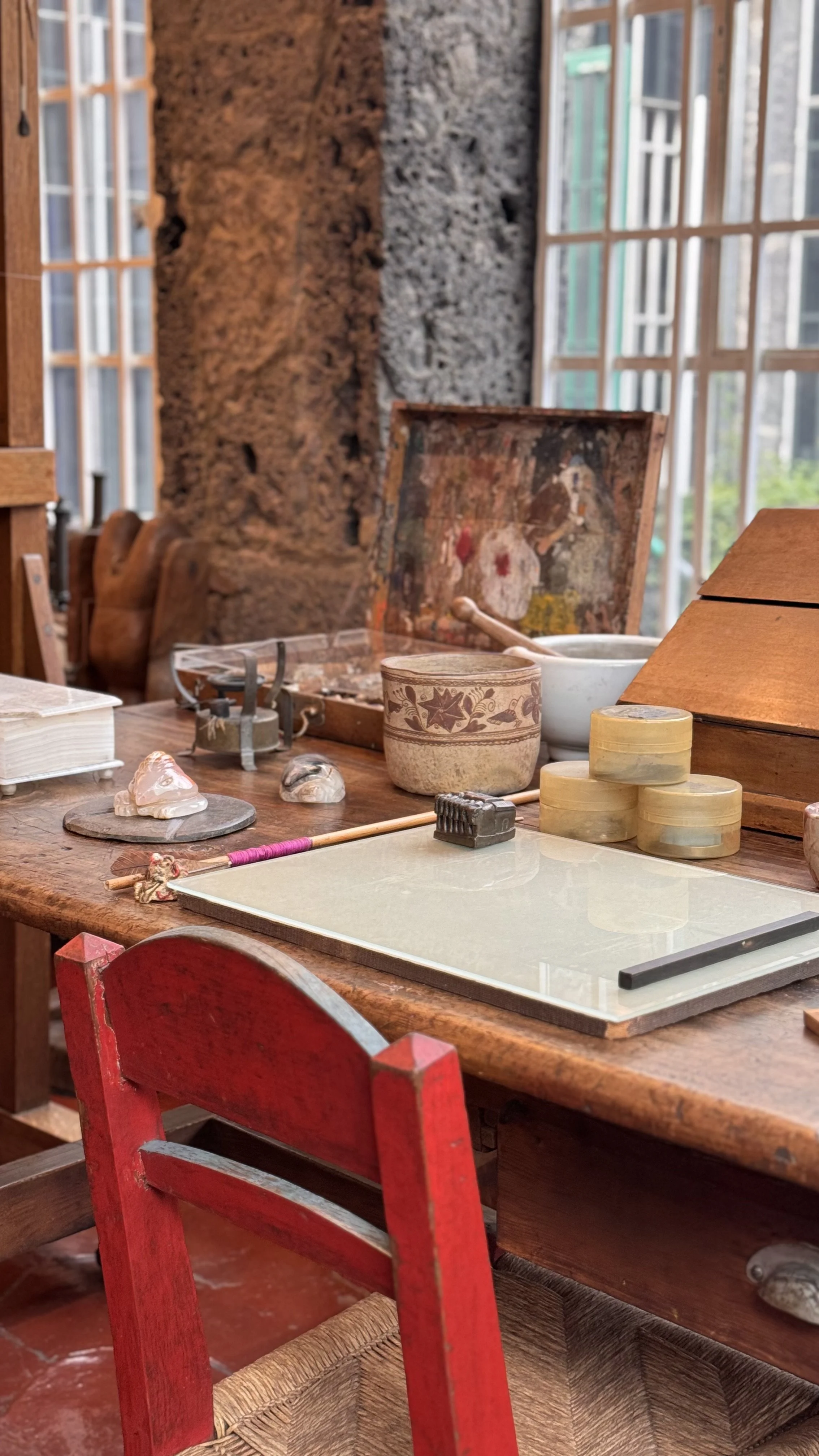
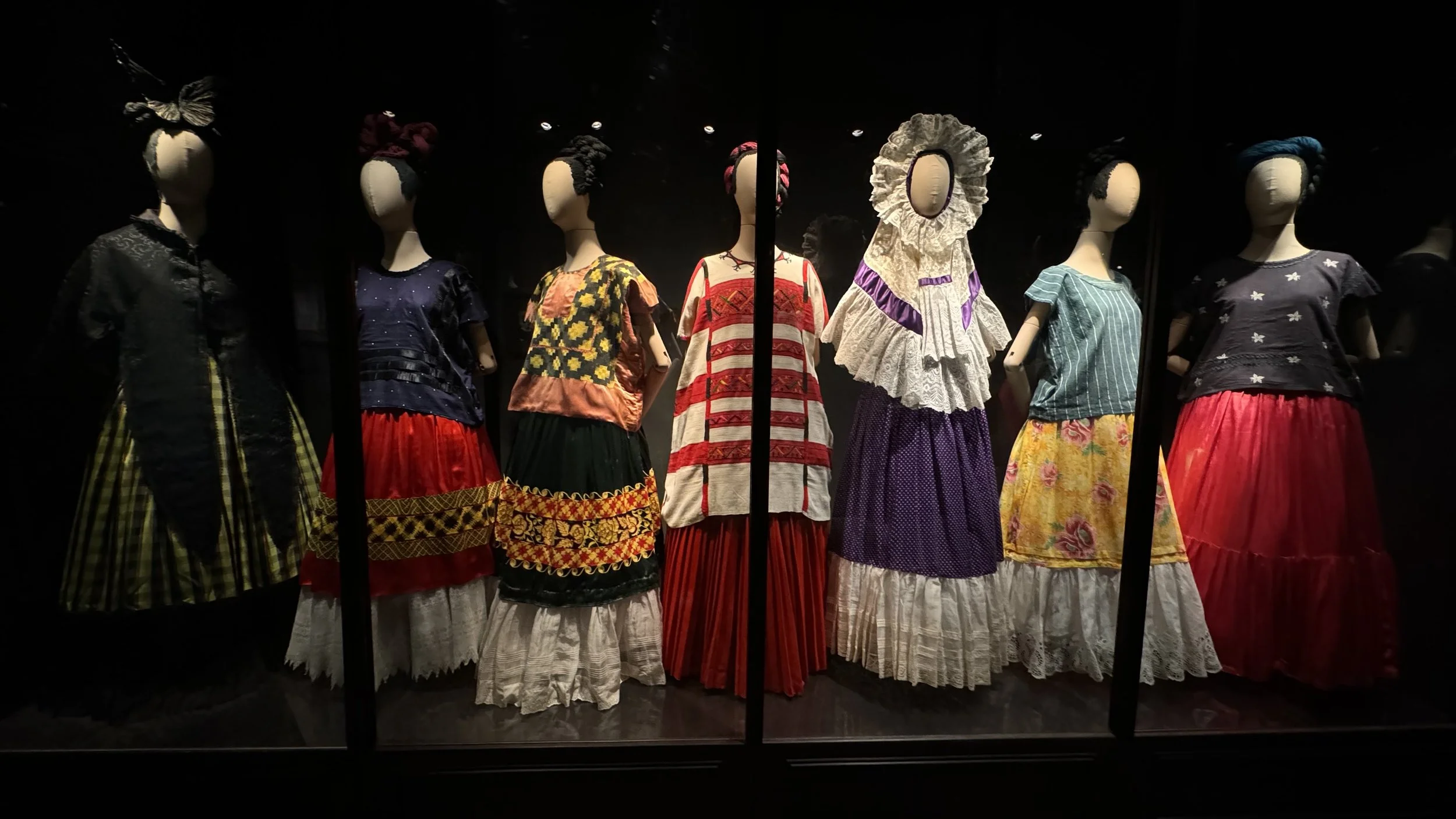
Visit the Frida Kahlo Museum (The Blue House)
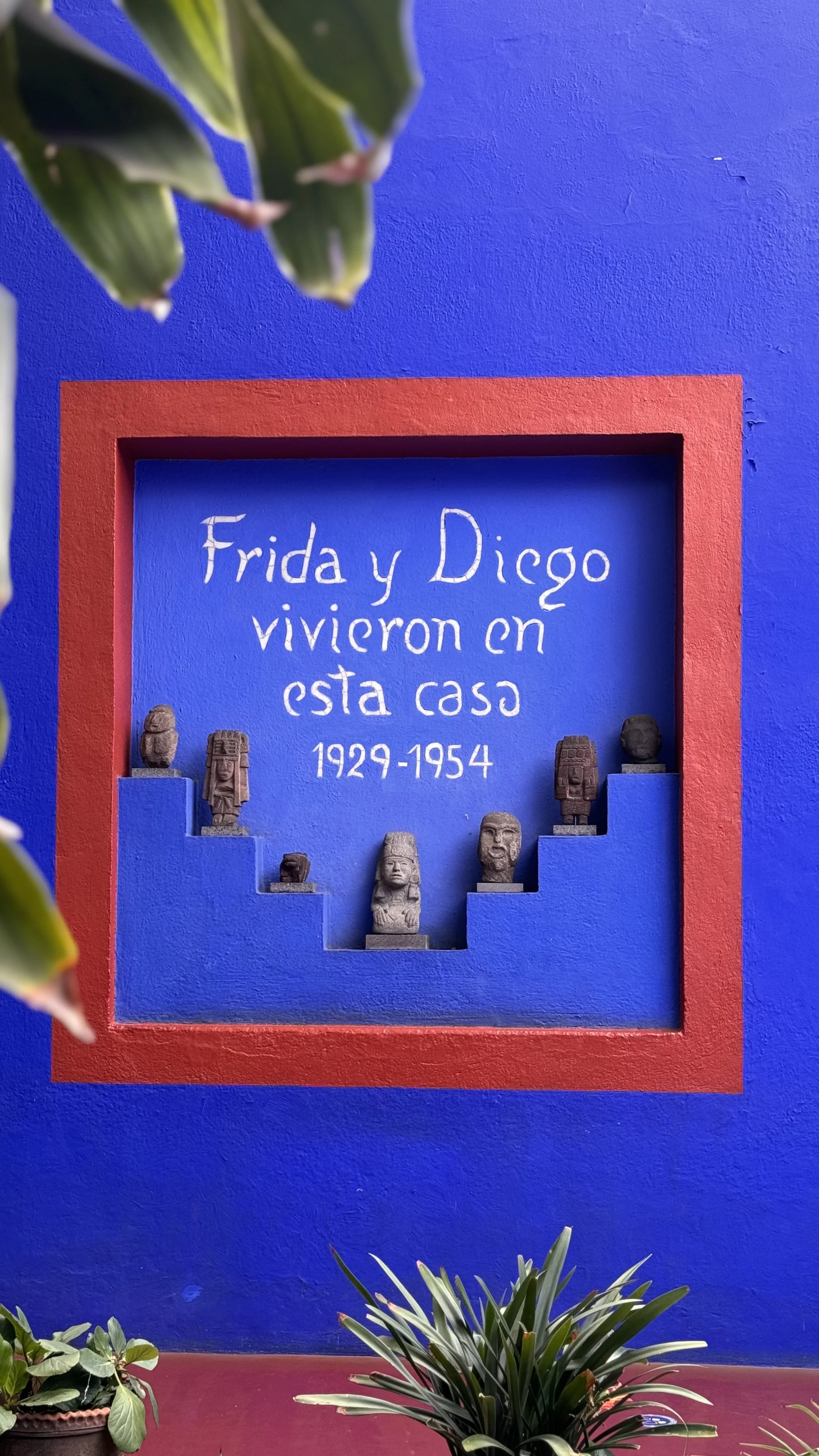
This was Frida Kahlo's family home, and later where she lived with Diego Rivera, painted, and worked. The museum holds her paintings, personal belongings, and artifacts. I rewatched the film "Frida" before this visit, which made walking through the house hit differently.
Tip: Buy tickets online in advance. They can't be purchased onsite, and the museum is closed Mondays. Official tickets here.
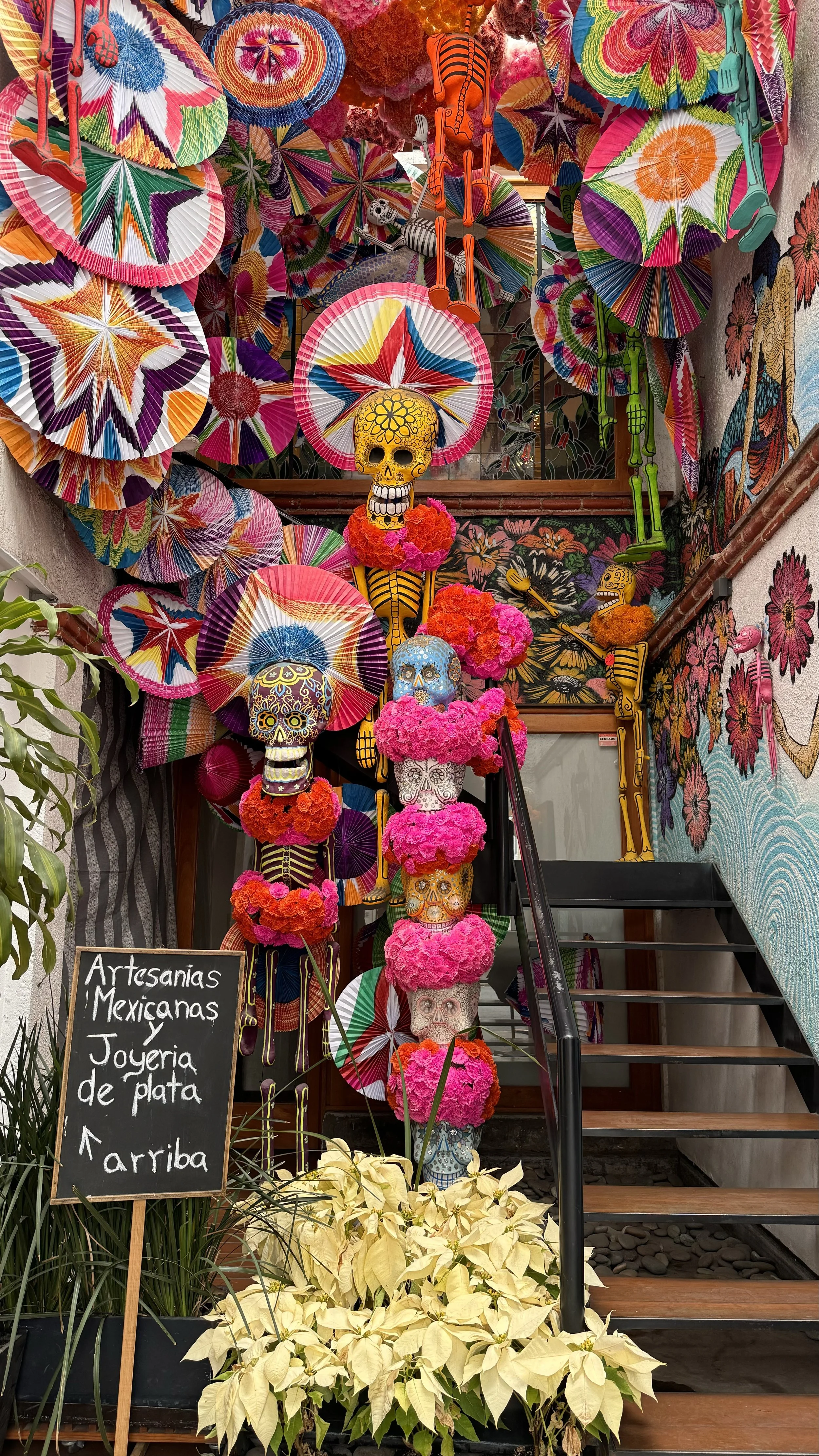
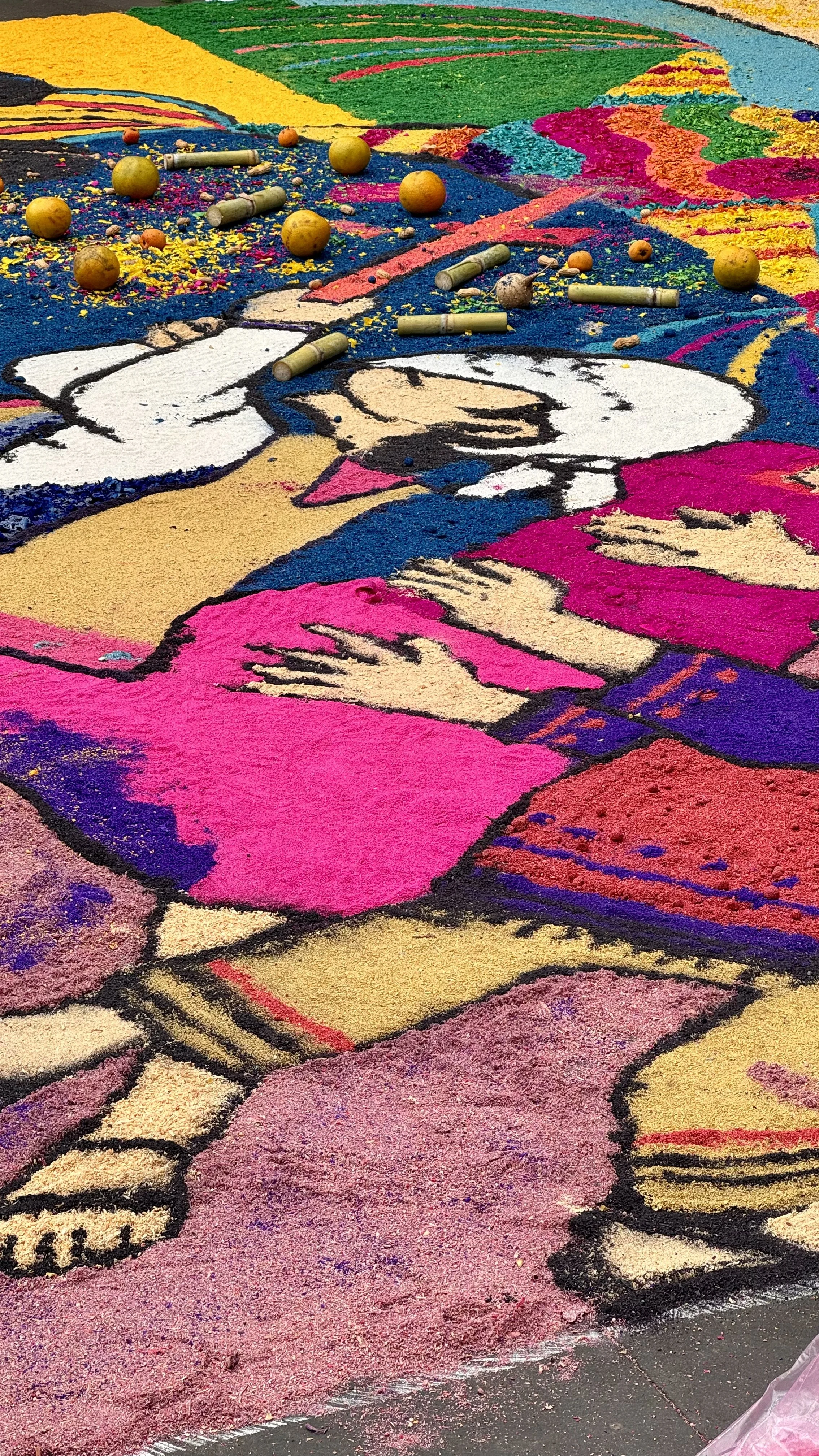
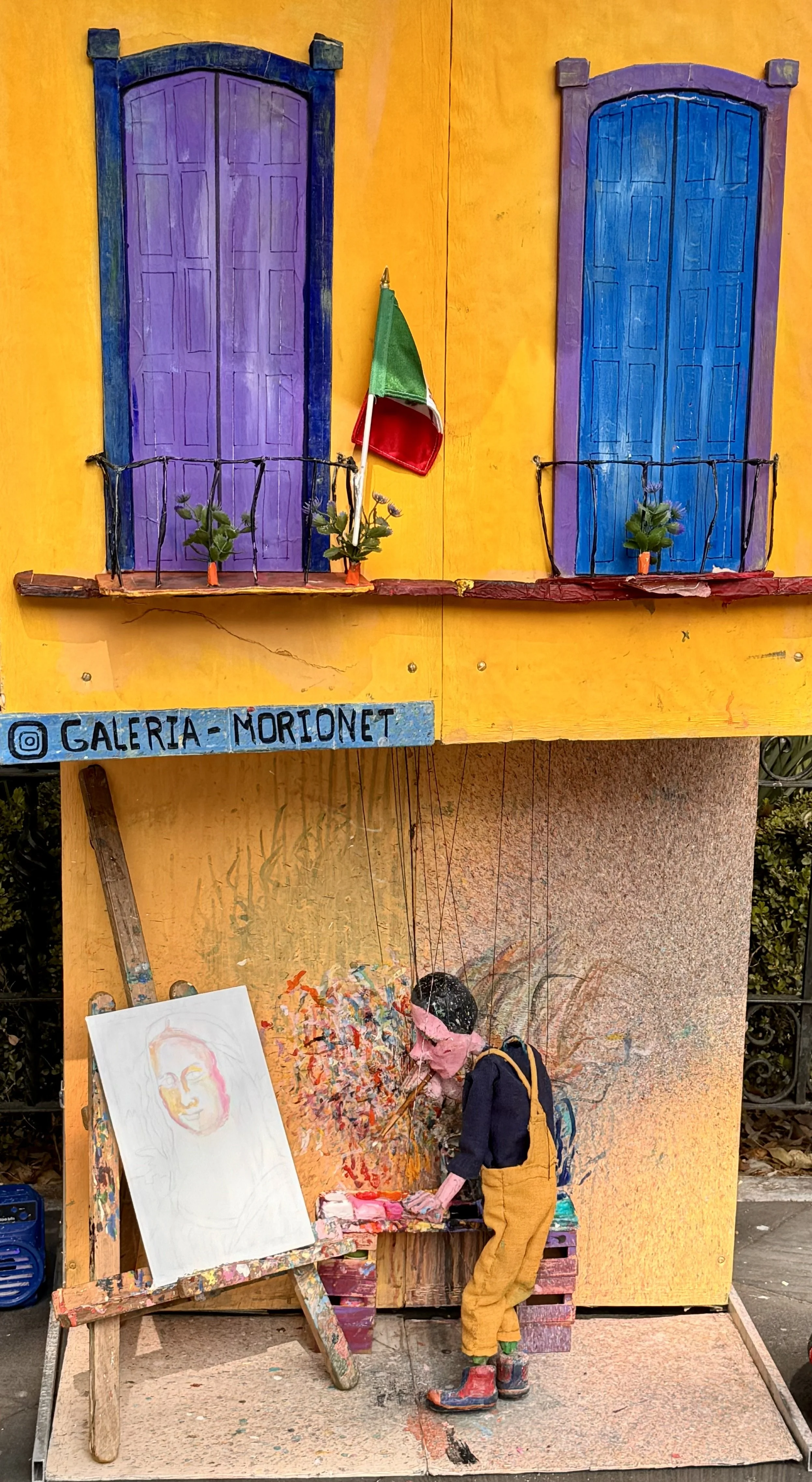
Stroll Through the Colorful Streets of Coyoacán
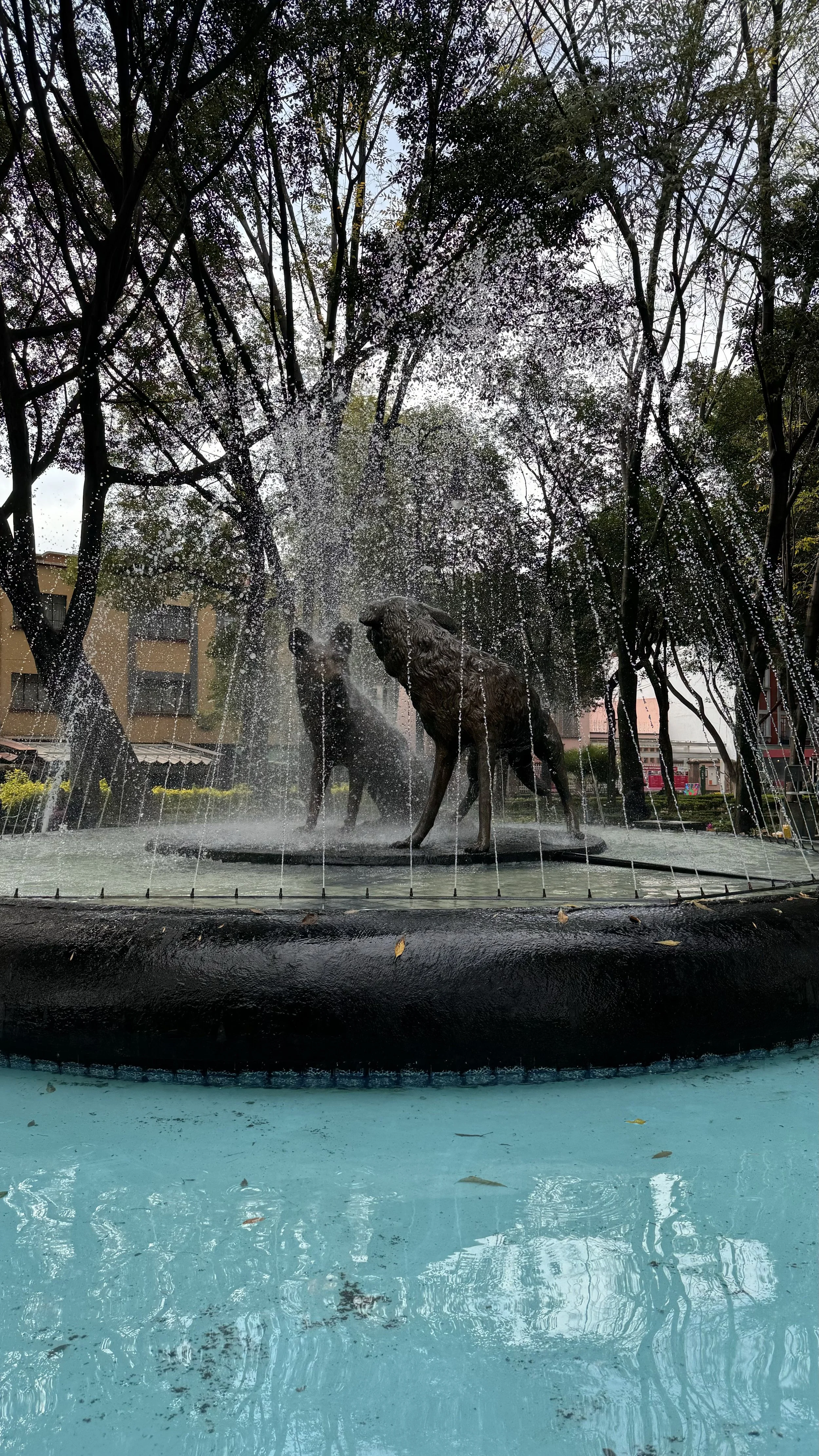
Coyoacán has a strong local art scene, from traditional artisans to newer street artists, and it shows on nearly every block. I always end up buying something here to bring home and frame.
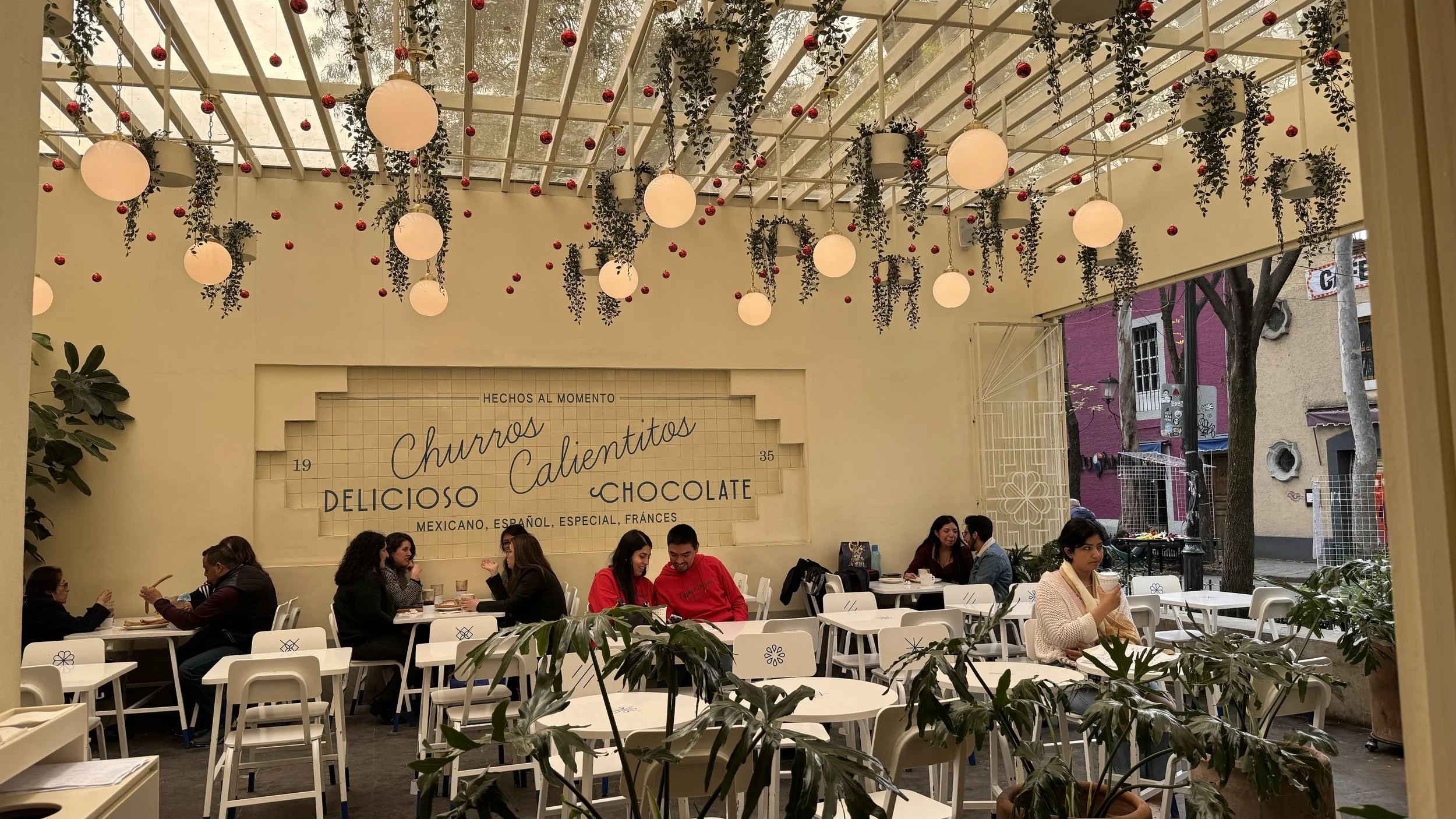
End Your Day With Churros at Churrería El Moro
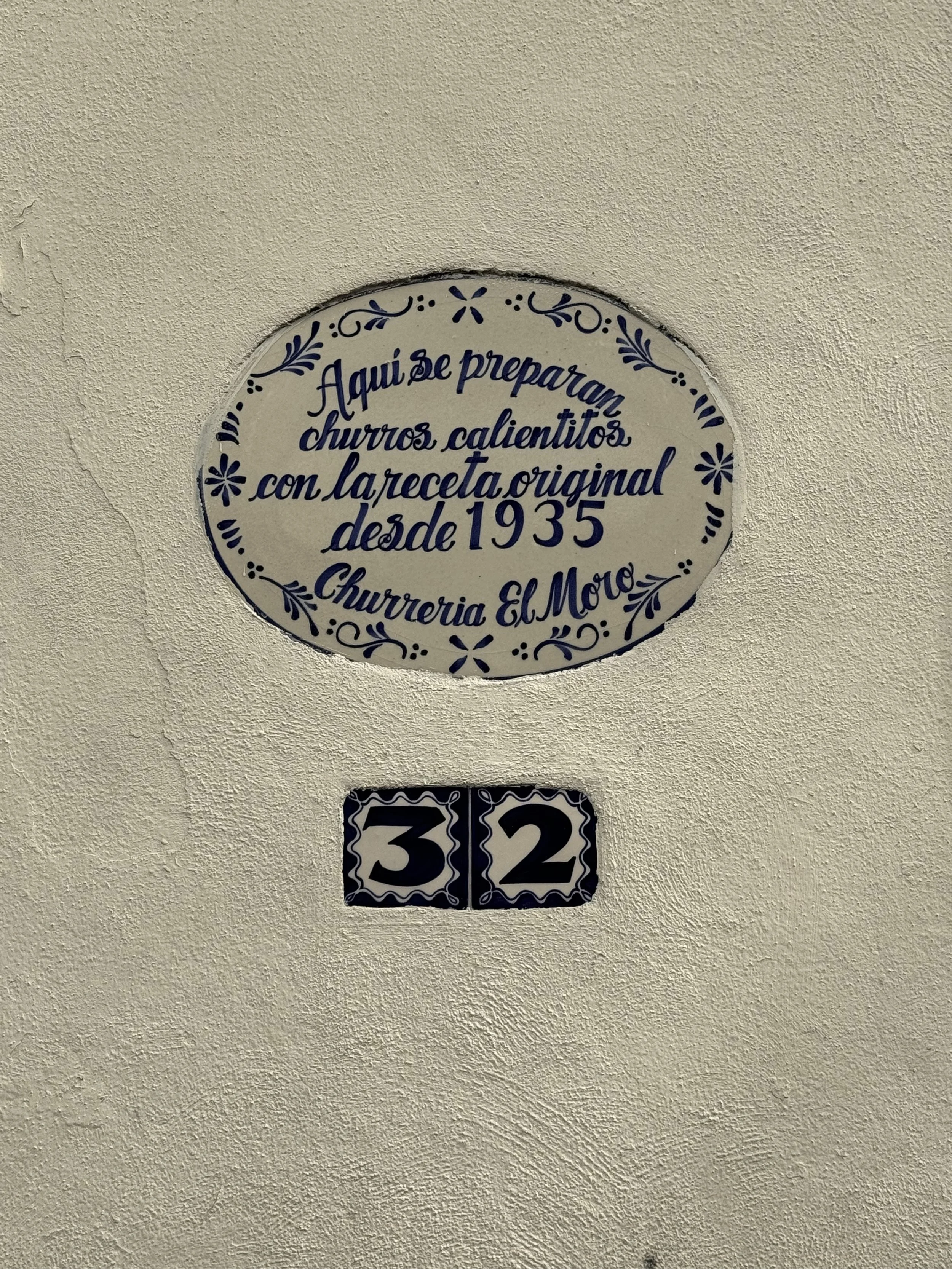
Churrería El Moro Coyoacán is known for its delicious churros and traditional hot chocolate. One of the unique aspects of Churrería El Moro is its commitment to preserving traditional recipes and methods. The establishment’s nostalgic ambiance makes it a favorite with locals and tourists.


Day 3: Centro Histórico
Centro Histórico is Mexico City's downtown core, a UNESCO World Heritage site where colonial buildings, Aztec ruins, and everyday city life sit within a few blocks of each other.
Tip: Visit during the day for both safety and so you can actually see the architecture.
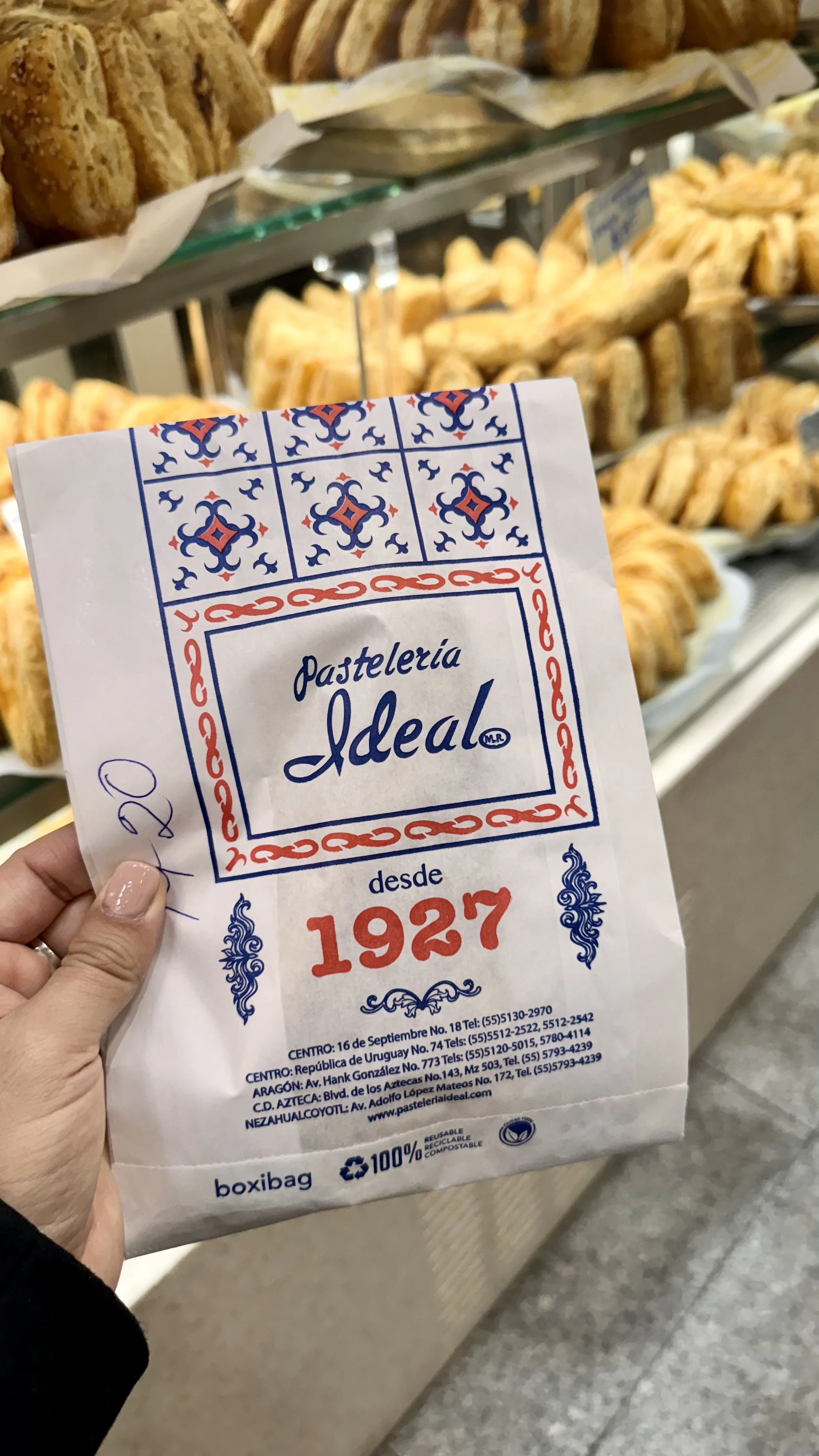
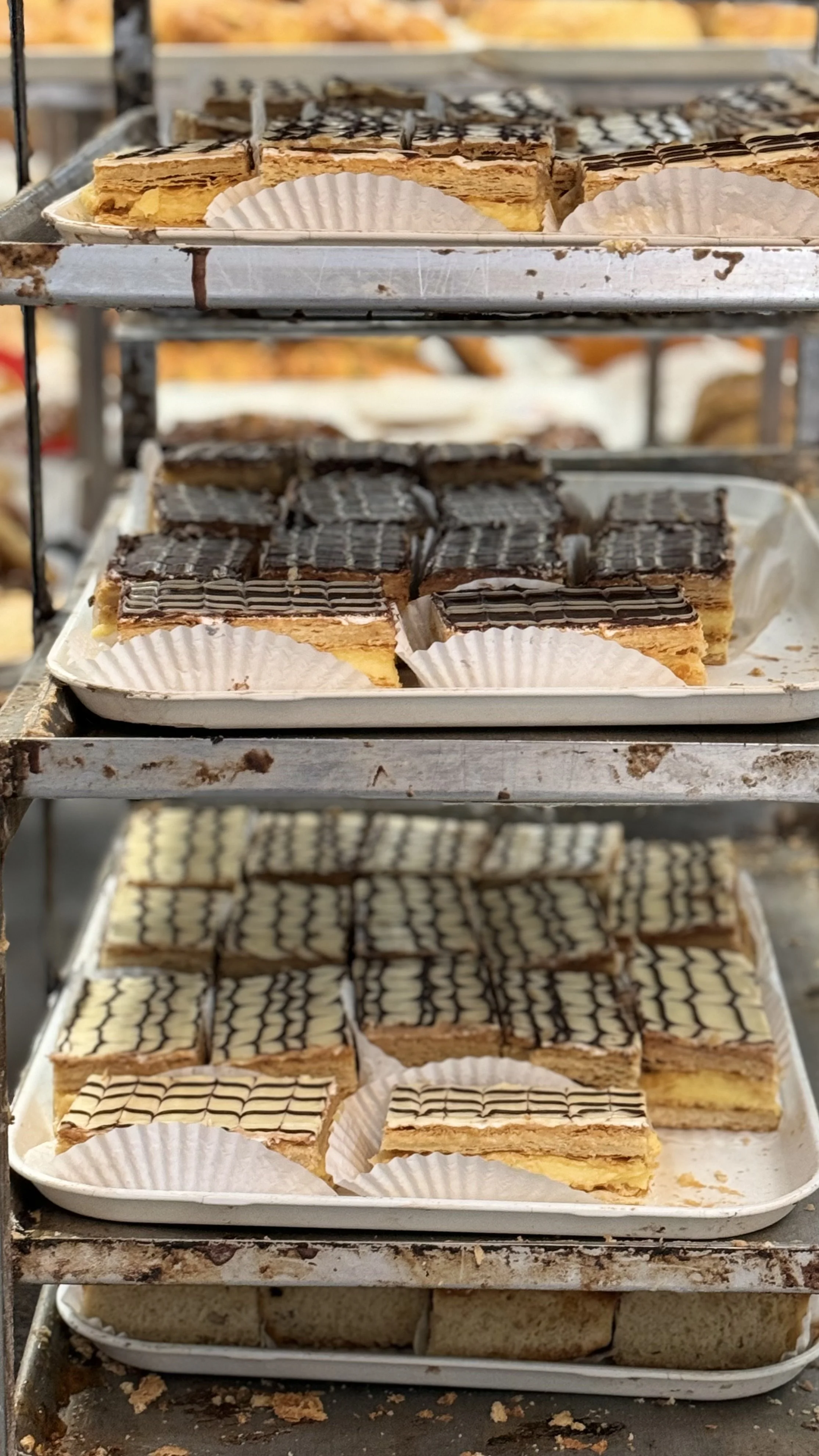
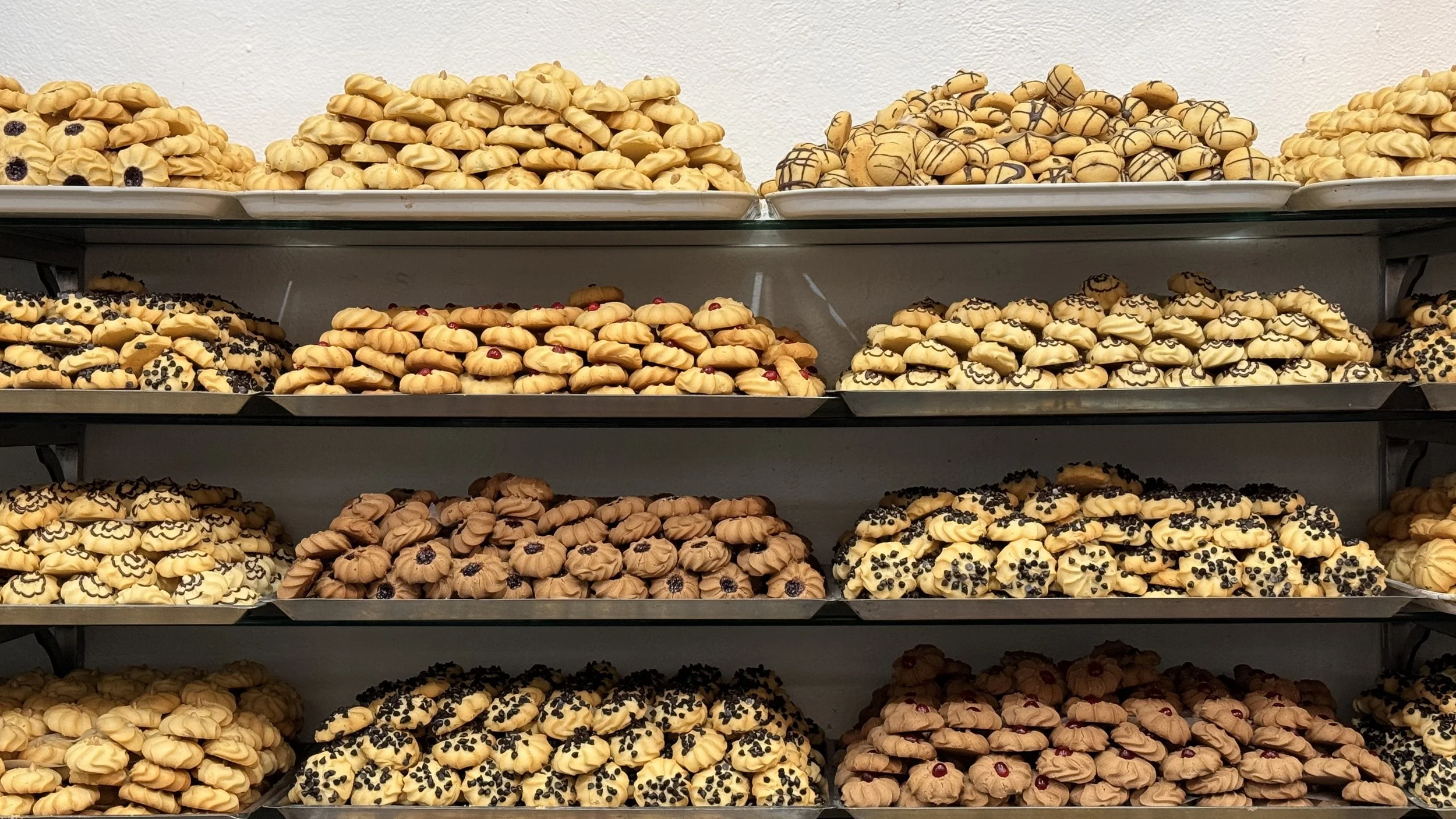
Pick Up a Pastry at Pastelería Ideal
Pastelería Ideal is a downtown institution that's been baking here for decades. Worth a quick stop as you start your day in the Historic Center. Get your coffee elsewhere, though, since it's the one thing not on their menu.

Visit Palacio de Bellas Artes
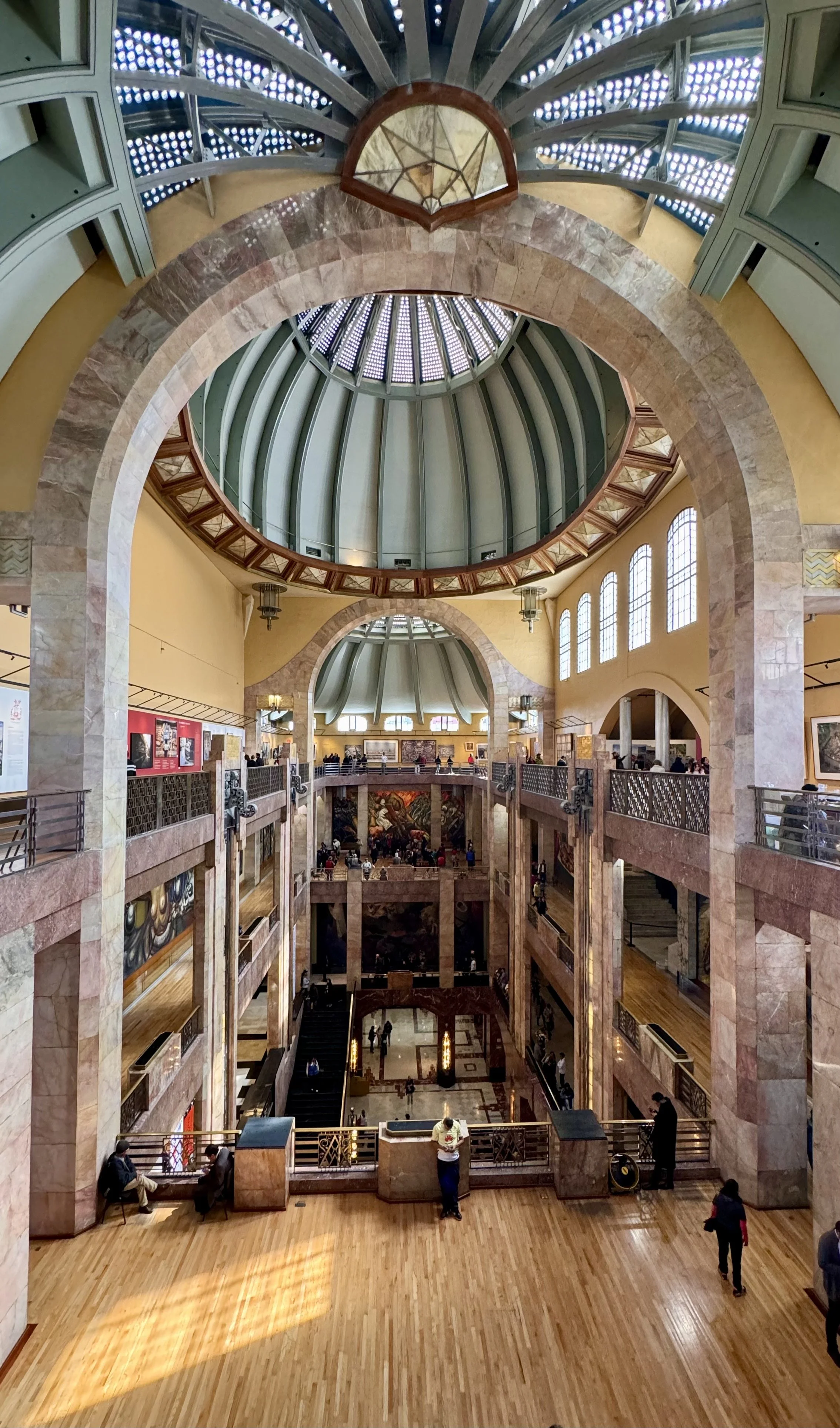
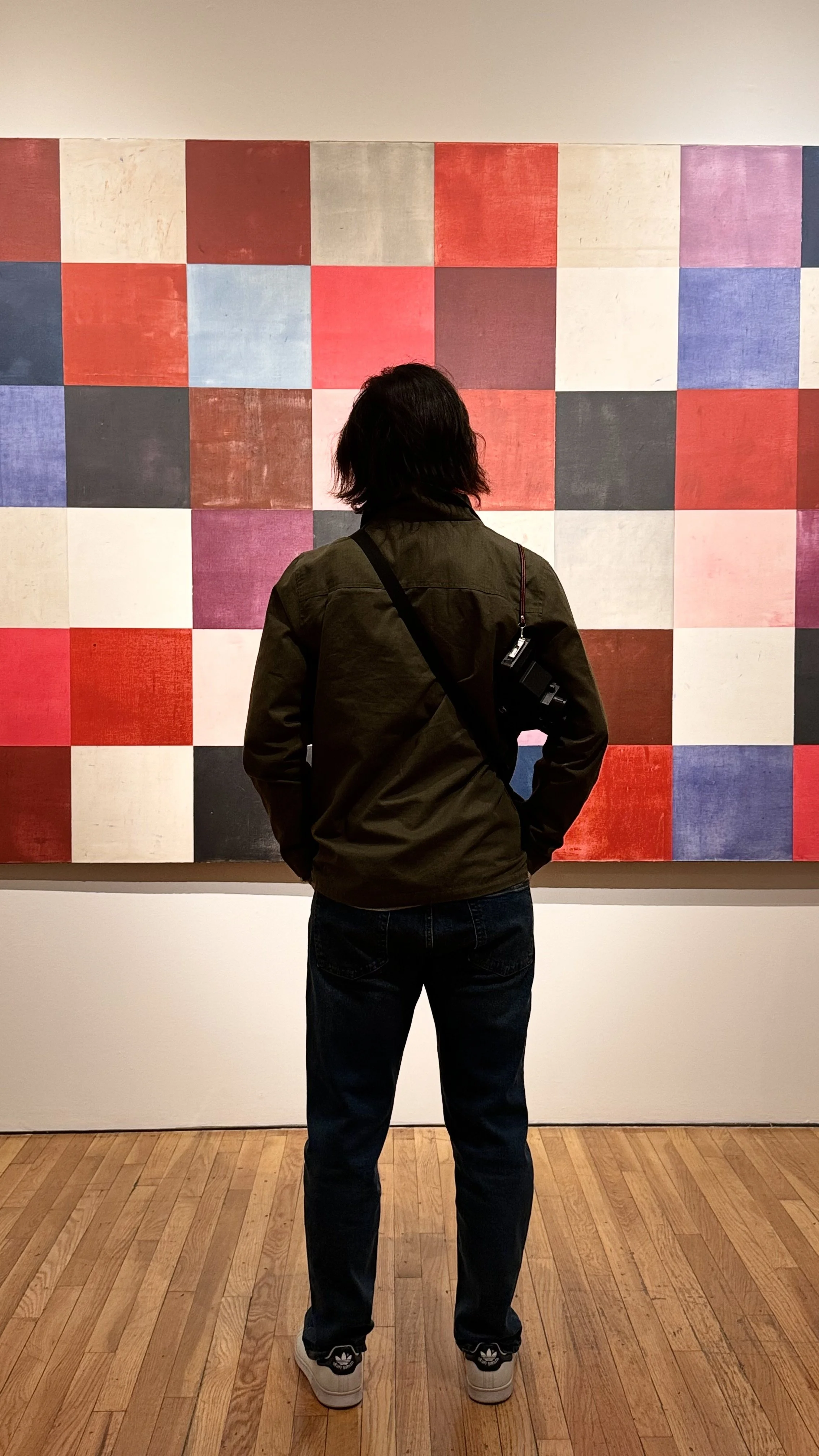
Palacio de Bellas Artes is worth visiting for the building alone, with murals by Diego Rivera and other major Mexican artists inside. Check the official calendar if you want to catch a performance while you're there. Museum entry is walk-up only, no online tickets, but performance tickets are sold through Ticketmaster via the venue's own site.


Lunch at Azul Histórico
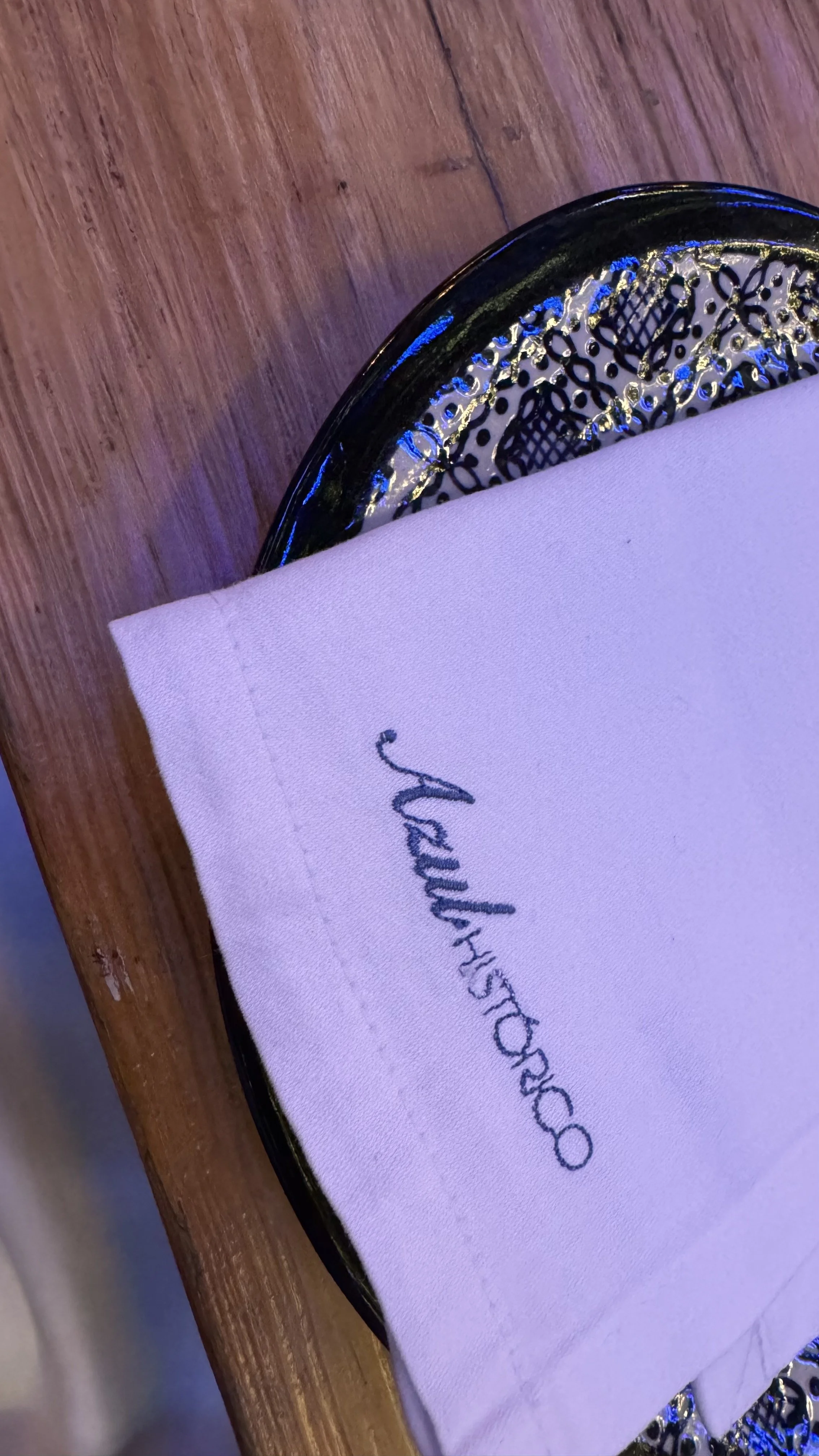
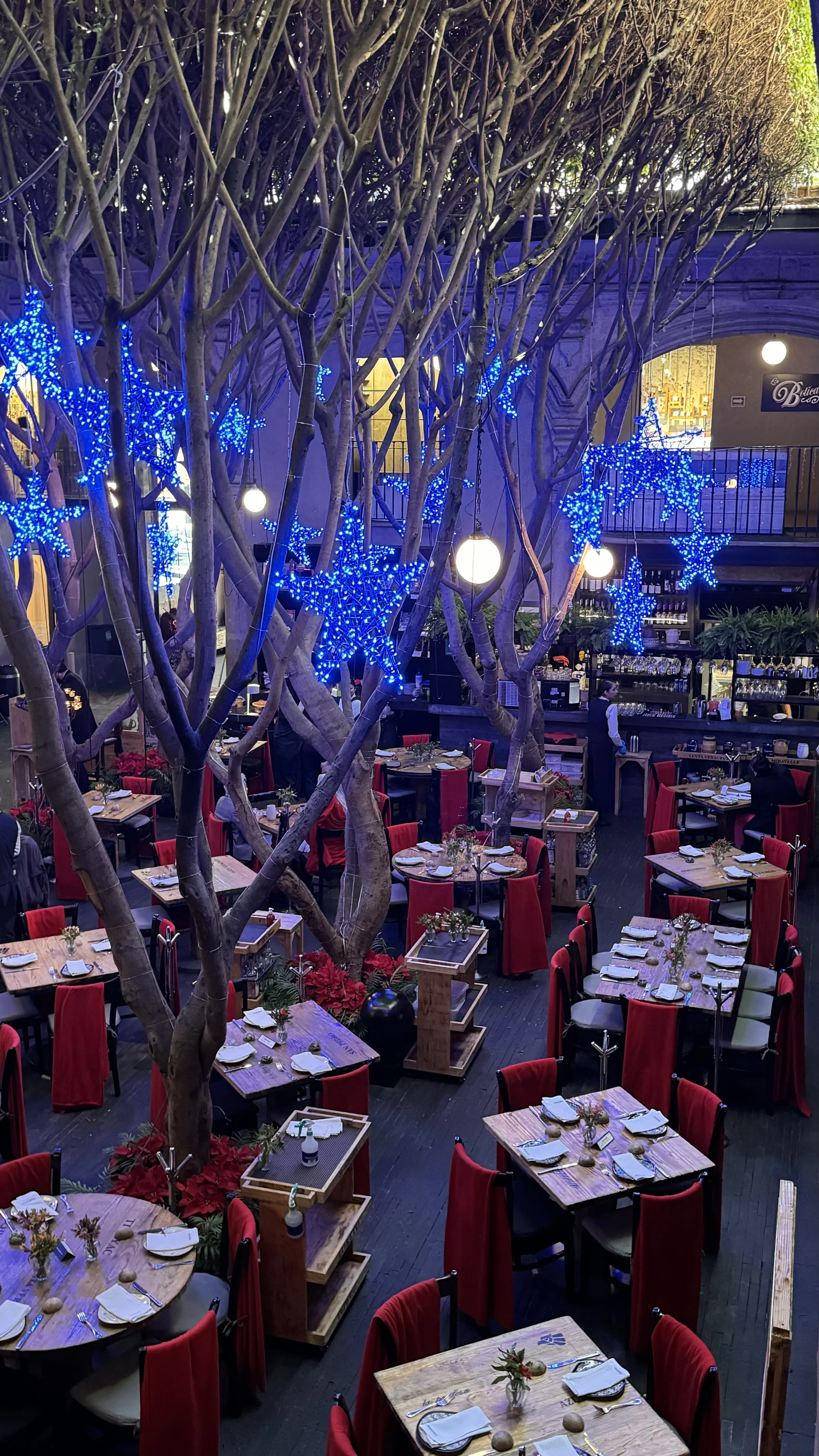
Azul Histórico sits inside a restored 17th-century building with an open-air courtyard. The food leans traditional with a modern touch, and the tortilla soup wins for presentation.

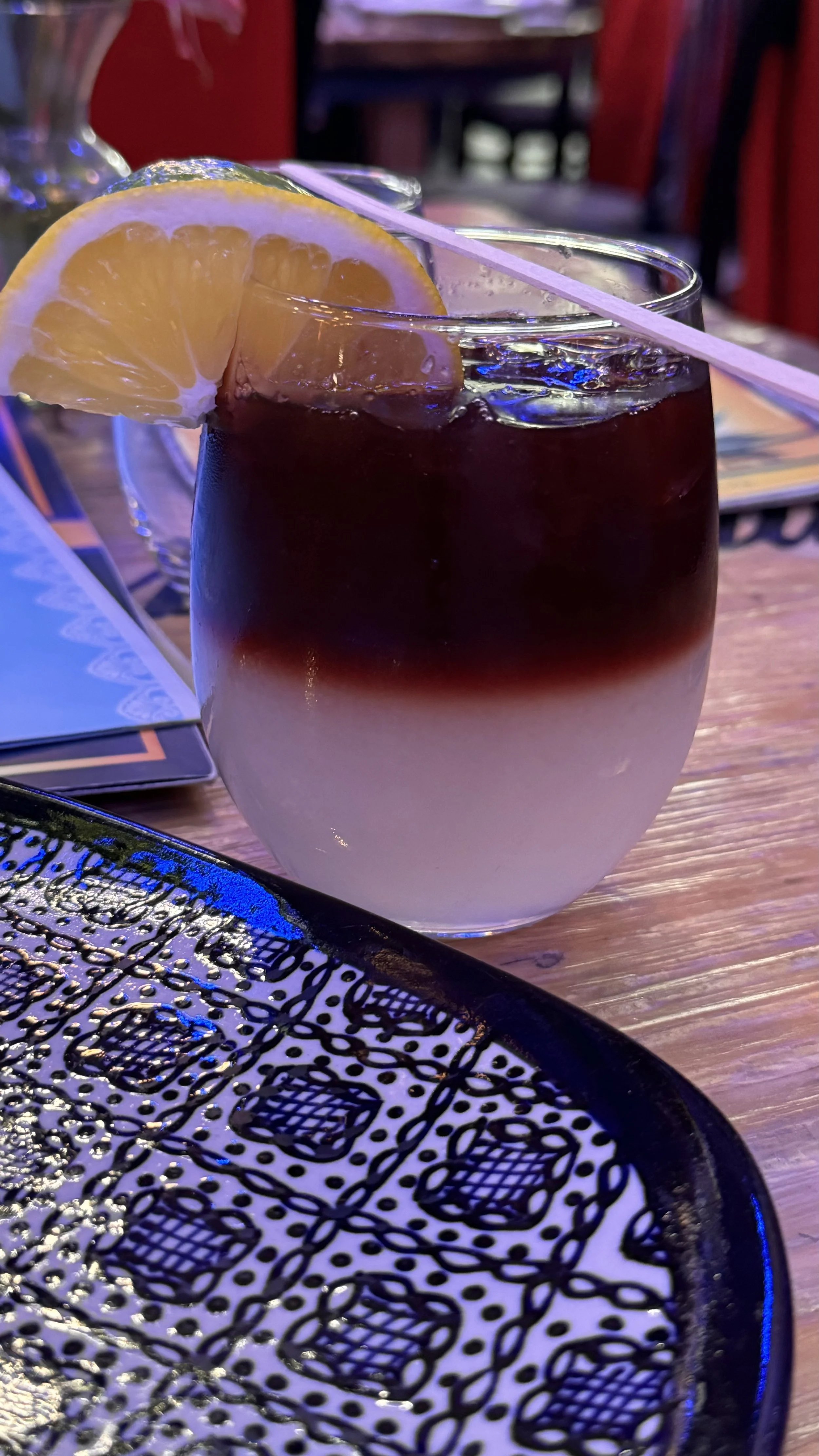
Walk Around Zócalo and See Aztec Ruins at Templo Mayor
The Zócalo, officially Plaza de la Constitución, is one of the largest public squares in the world and the center of the city both historically and today. Right next to it is Templo Mayor, the excavated remains of the main temple of Tenochtitlan, the Aztec capital that once stood where Mexico City is now. The site was discovered in 1978 and is still an active archaeological zone. Worth the stop just for how unusual it is to walk through ruins this significant in the middle of a working downtown.


Day 4: Puebla or Teotihuacán
Day Trip to Puebla
If you're comfortable driving in a big city, renting a car for a day trip to Puebla is worth it. It's a colonial town about two hours outside Mexico City. Once you're past the city traffic, the highway out has volcano views the whole way. I rented from Avis in Polanco and had a good experience with both the car and the service.
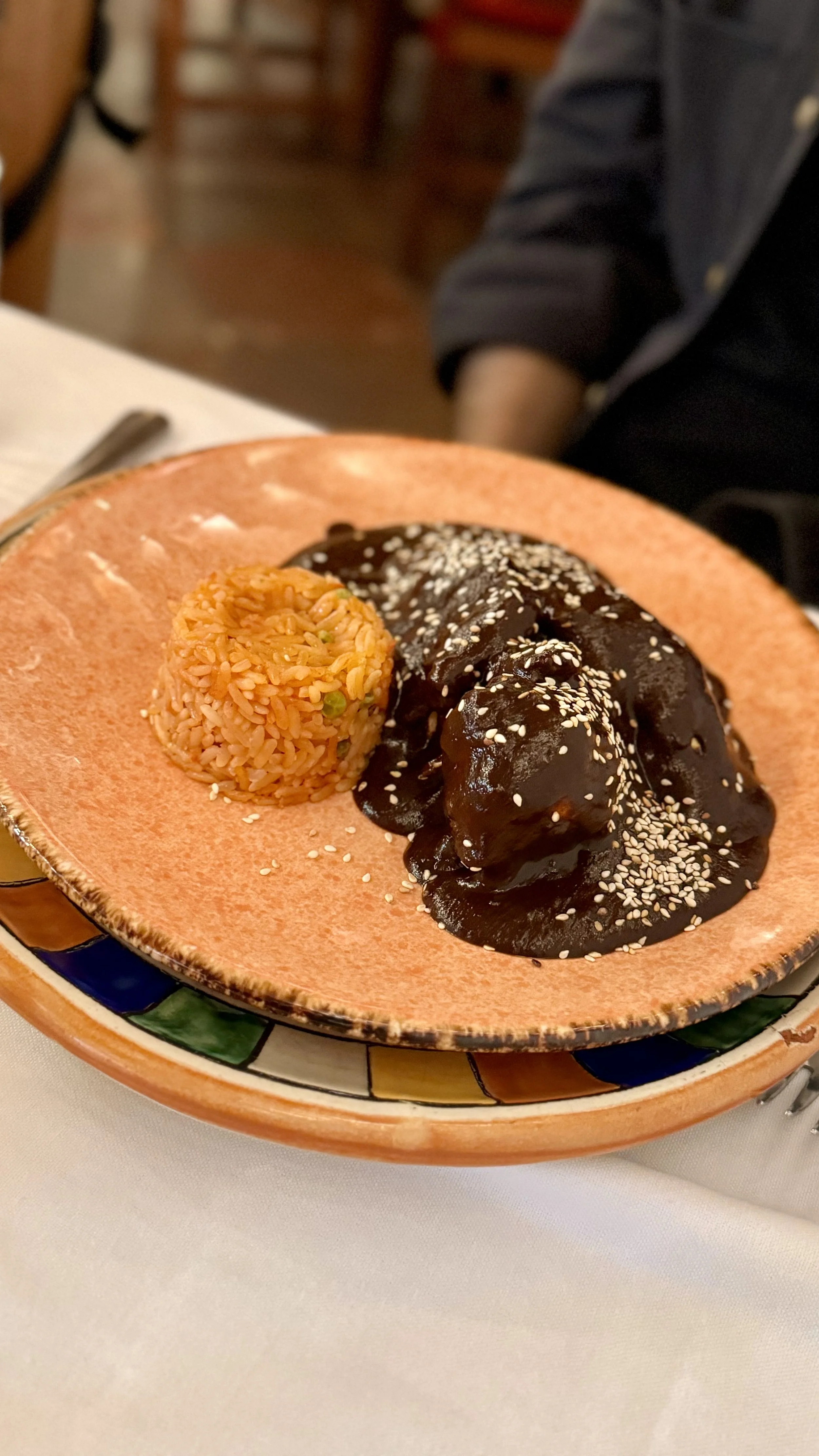
Puebla has UNESCO World Heritage status and is known for its colorful building facades, ornate churches, and cobblestone streets. Have dinner at Casareyna, which does a refined version of mole poblano and other Pueblan classics. There's enough here to justify an overnight if you want to turn it into a two-day trip instead.
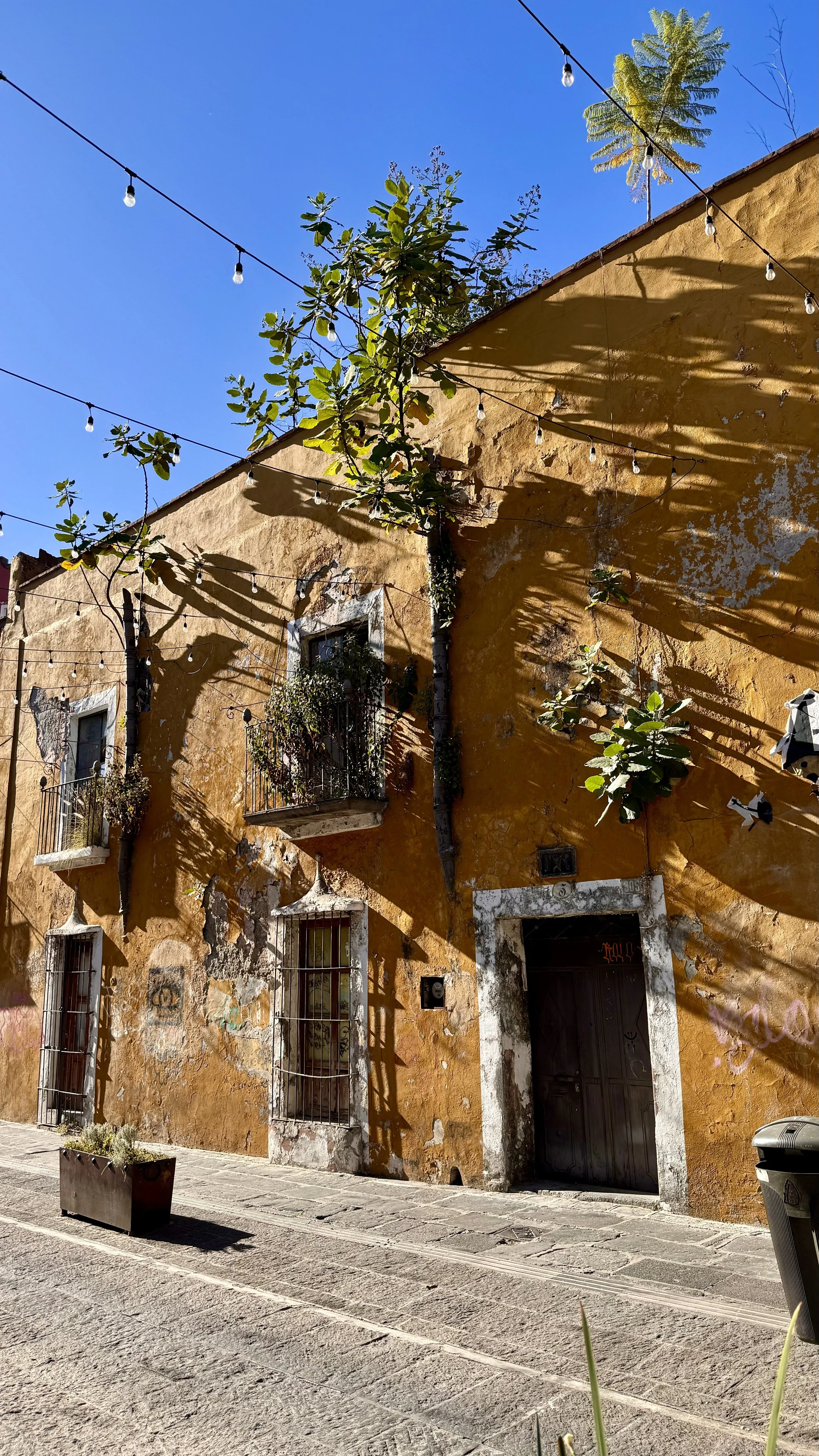

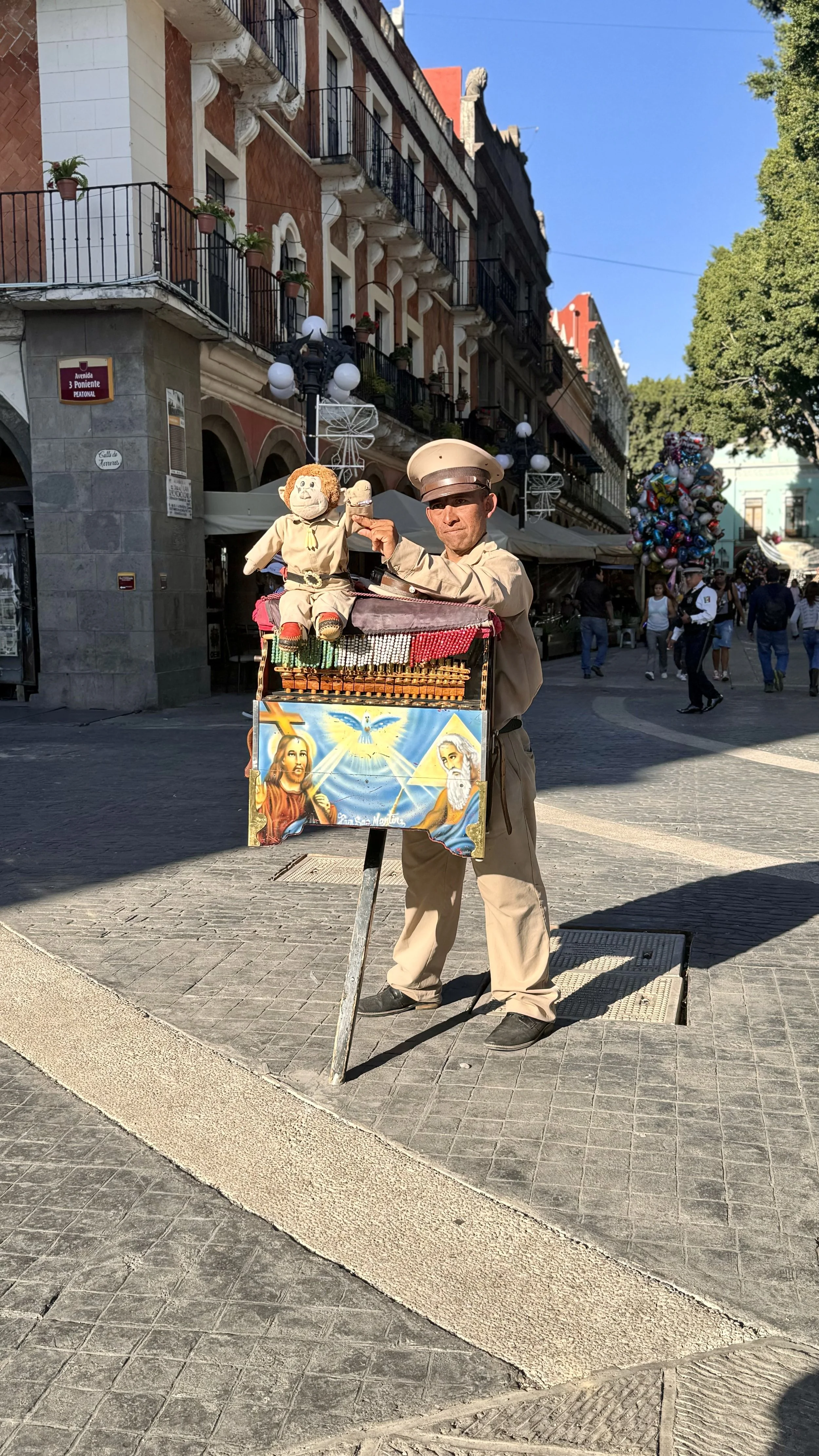
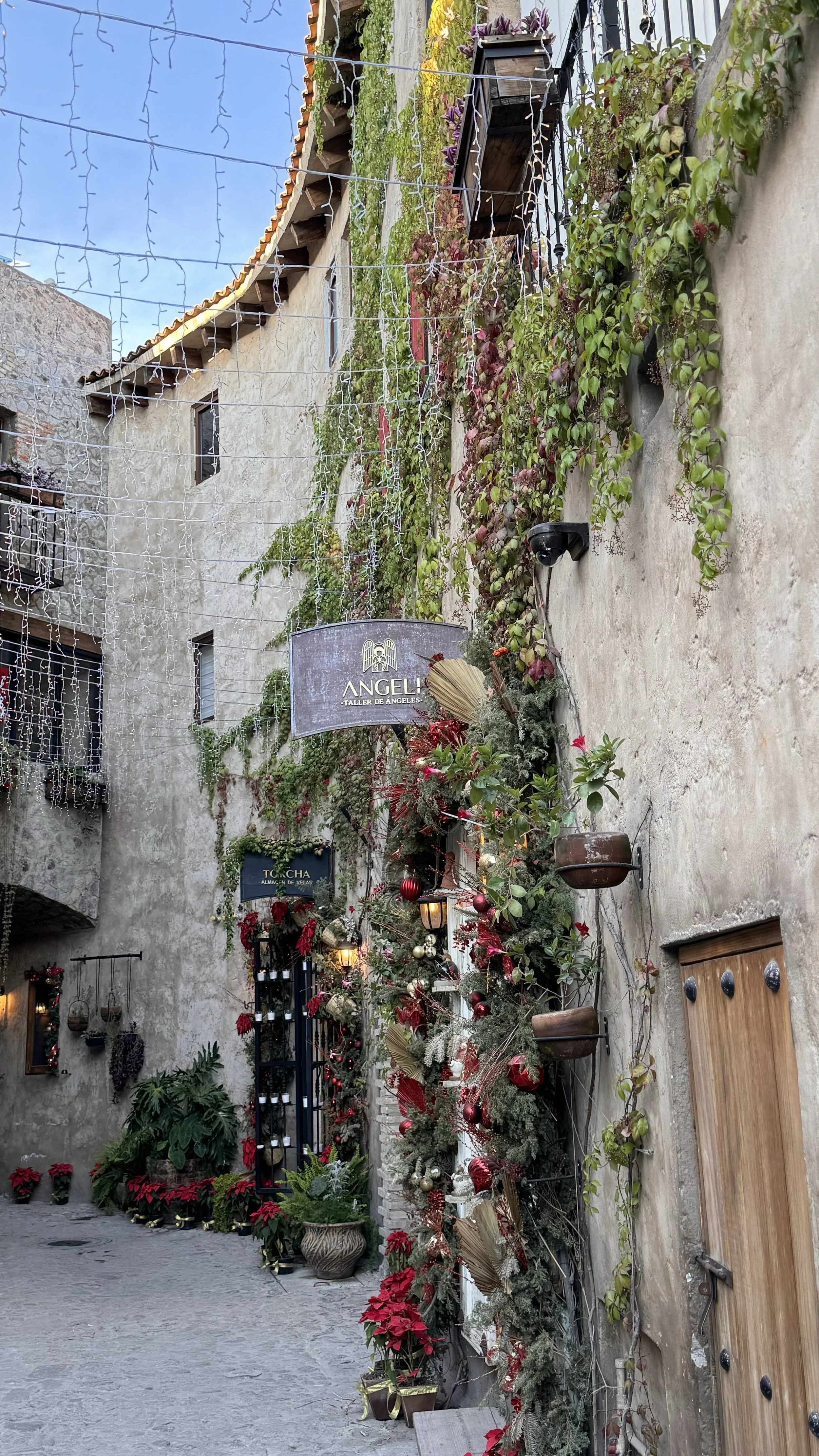
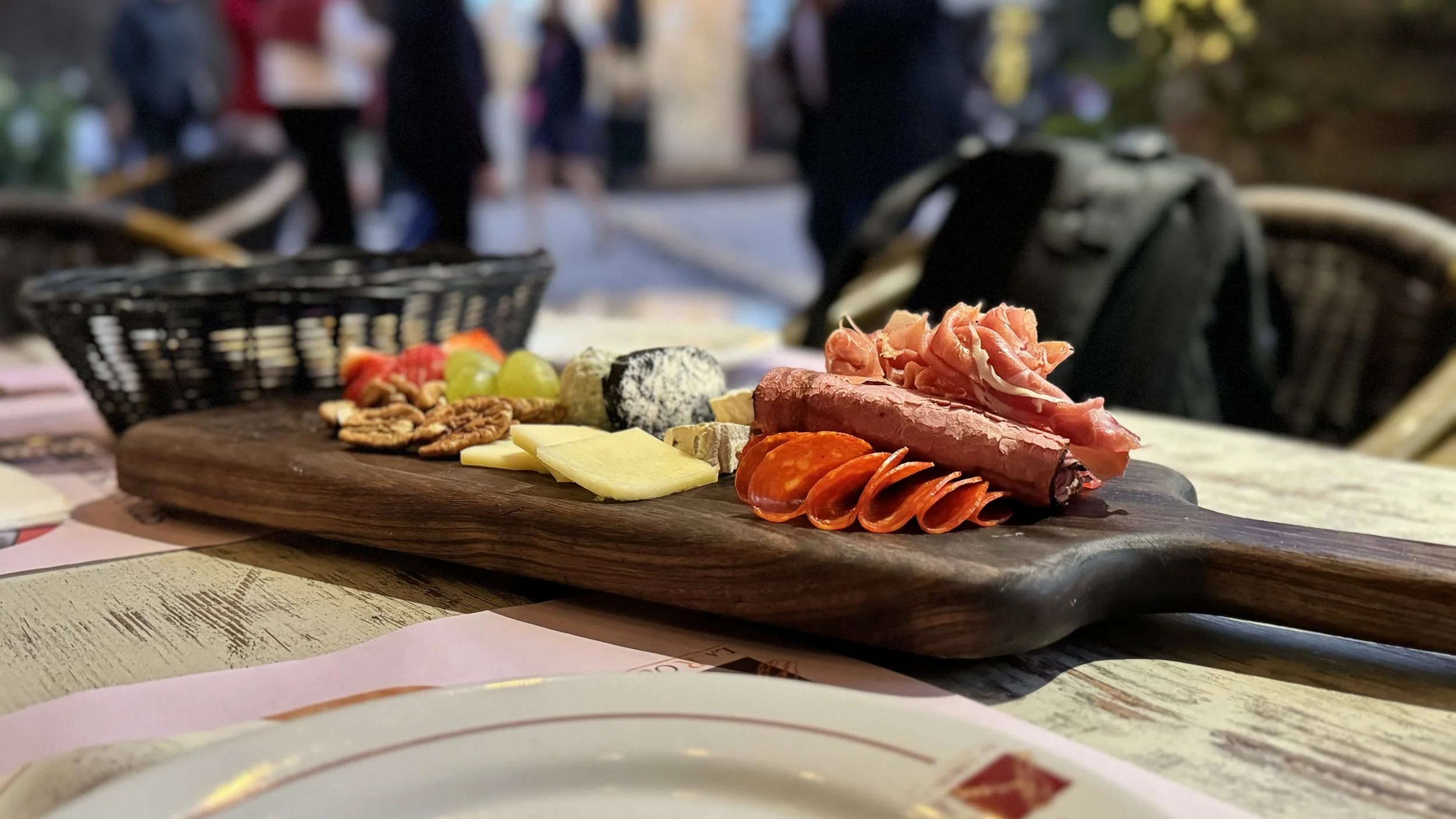
On the way back to Mexico City, detour to Val Quirico, a small village built to resemble a European town, with shops and restaurants around a central square. We ate at La Route Des Vins Val Quirico, in the square, with live music playing while we ate.


Day Trip to the Pyramids of Teotihuacán
Not much is confirmed about who actually built Teotihuacán, which somehow makes it more compelling, not less. Book a tour through GetYourGuide or a similar site to visit the pyramids, located about an hour from Mexico City. The Pyramid of the Sun and the Pyramid of the Moon are the two main structures. For an aerial view, a sunrise hot air balloon ride is the way to do it. Still on my list for next time. You can check hours and admission on the official INAH site.


Day 5: Polanco
Polanco is one of Mexico City's more upscale neighborhoods, with newer architecture and a more polished feel than Condesa or Roma.
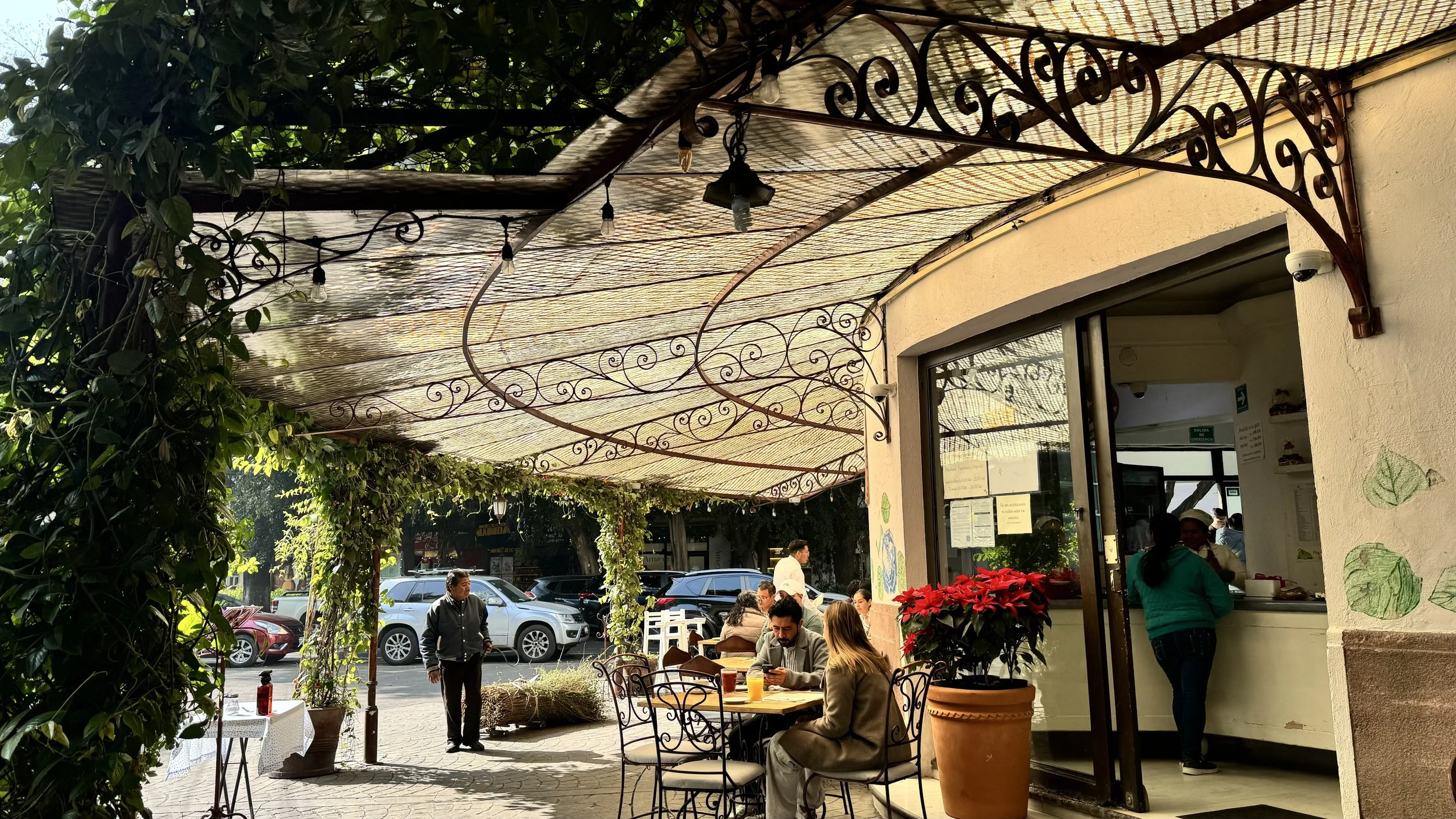
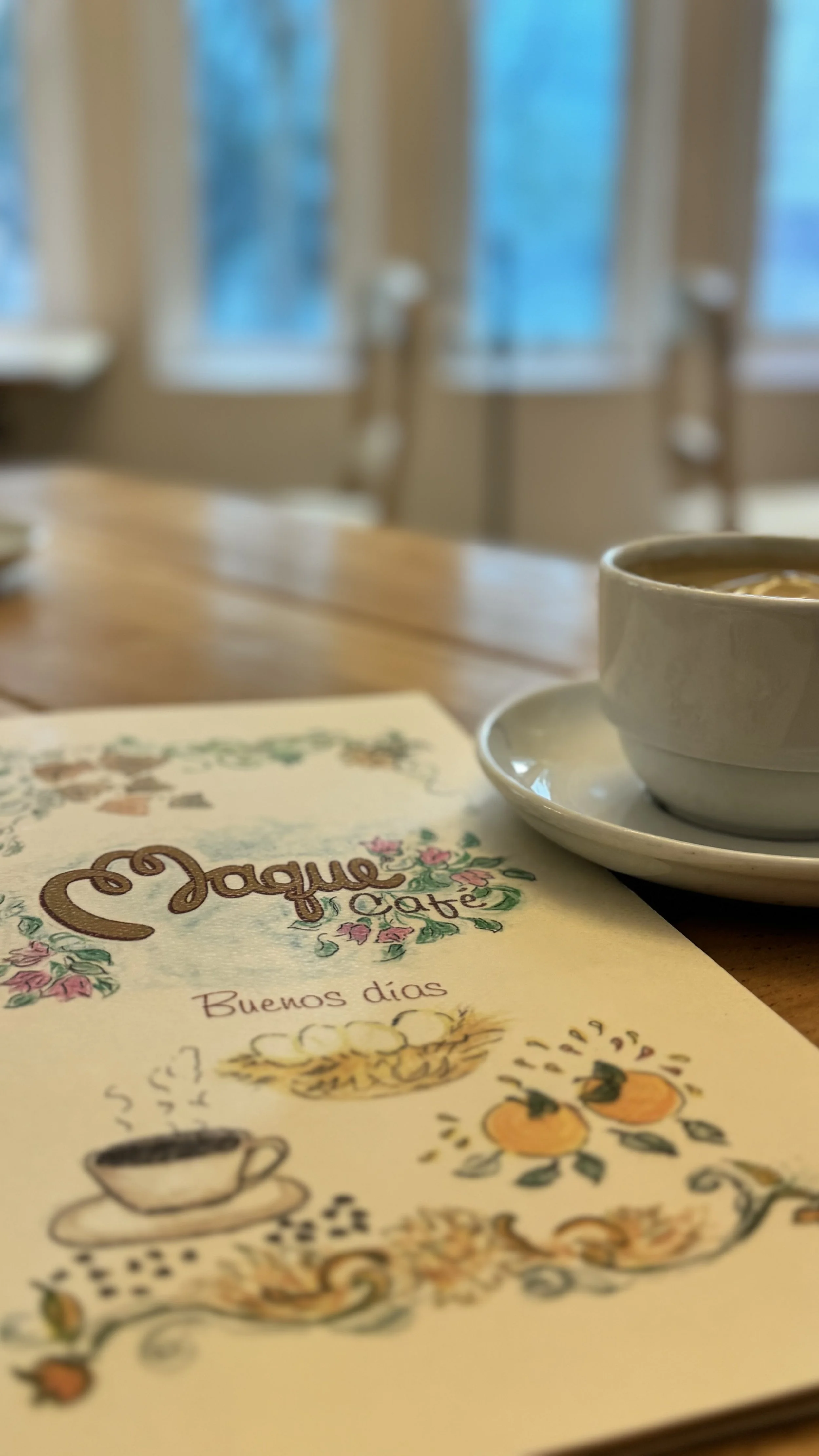
Breakfast at Pastelería Maque
Maque has an outdoor patio and a warm interior, good for a quiet coffee, a pastry, or a full breakfast before heading out for the day.


Visit Museo Nacional de Antropología
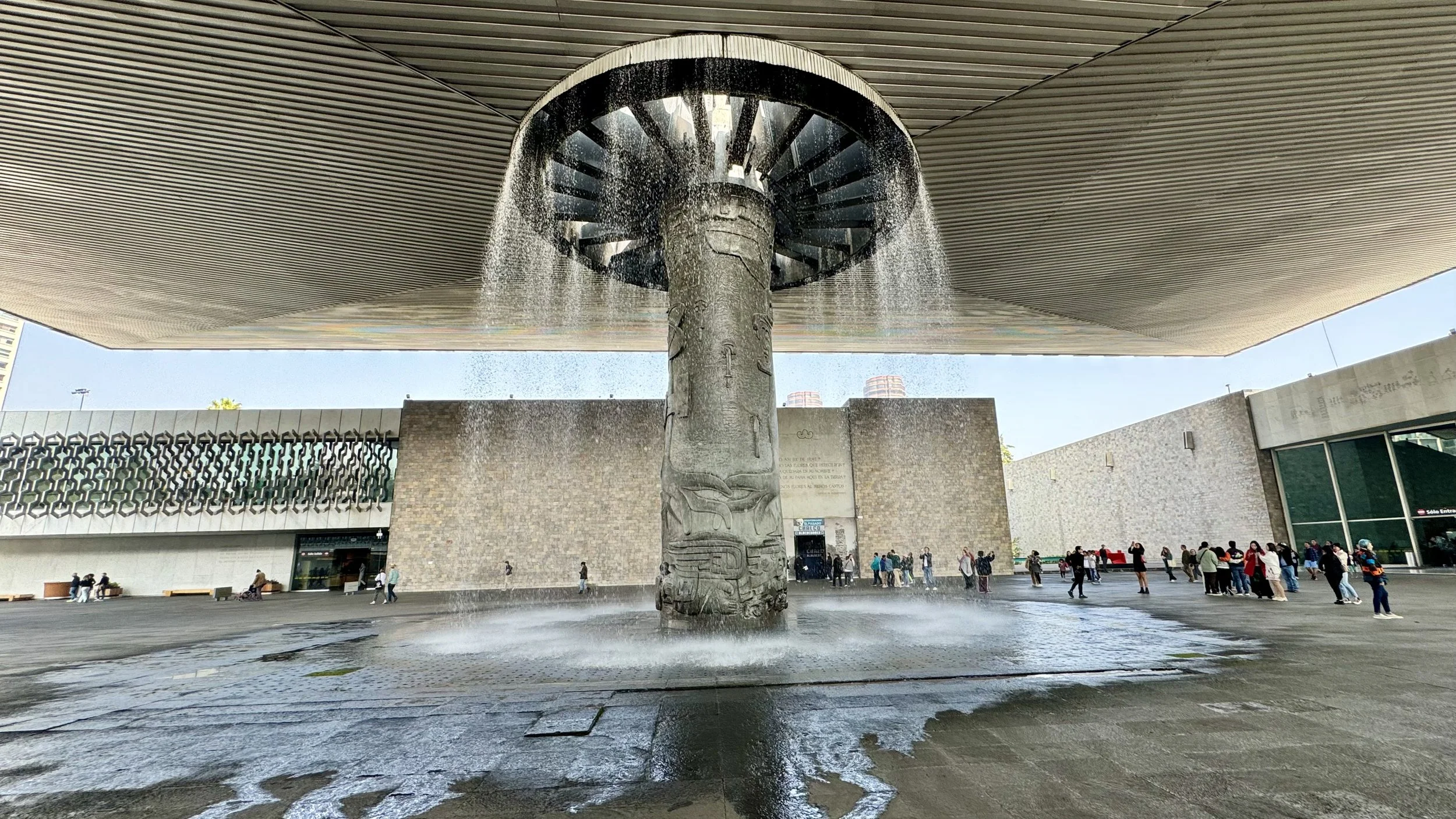
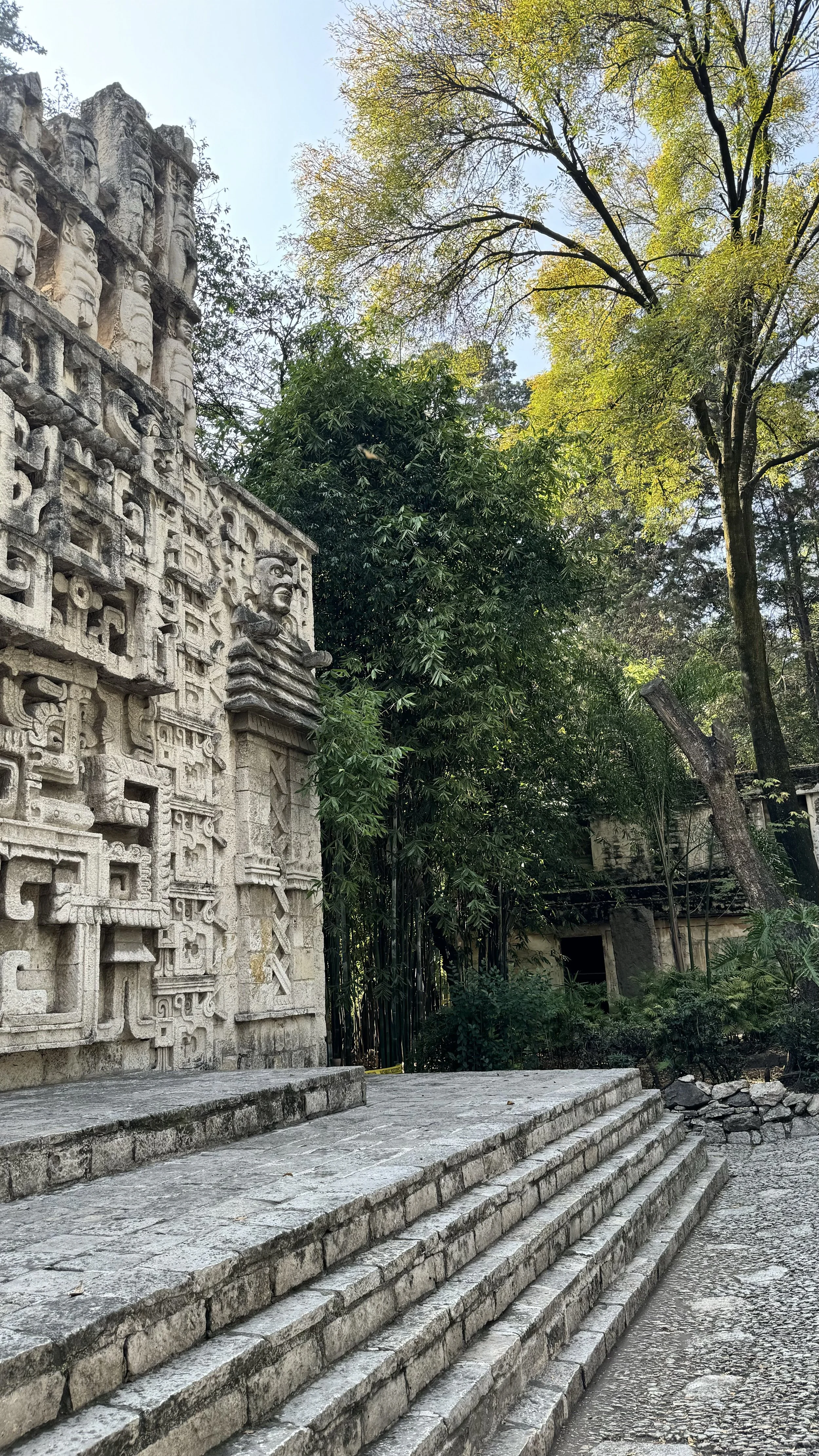
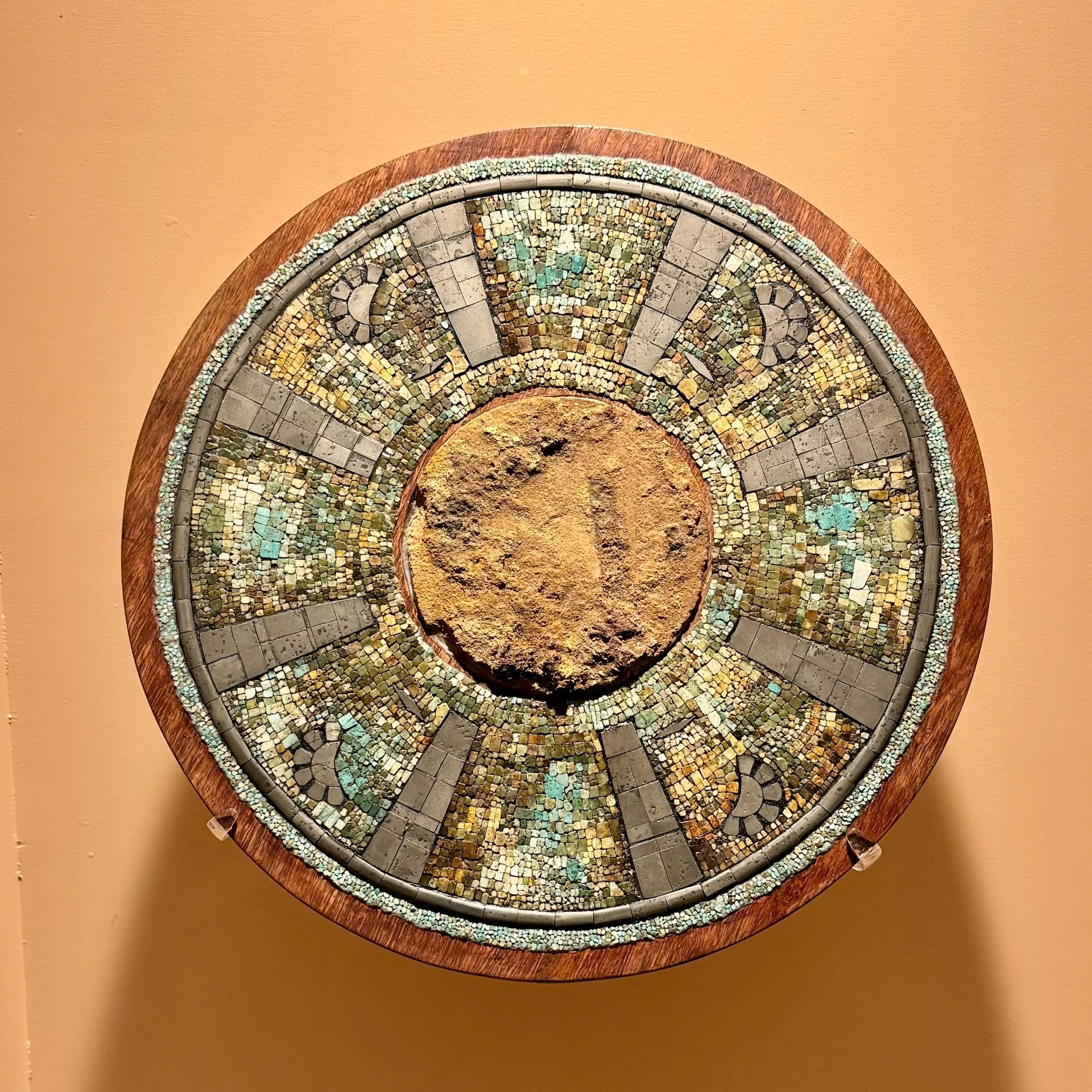
The National Museum of Anthropology covers Mexico's ancient civilizations in real depth. Worth a visit whether you already know the history or you're starting from scratch. Tickets and hours here.
Tip: Go on a weekday to avoid crowds. Closed Mondays.

Bites & Books at Cafebrería El Péndulo
Cafebrería El Péndulo is part bookstore, part café. We had lunch and drinks here, then spent a while browsing the shelves afterward.


Day 6: Chapultepec
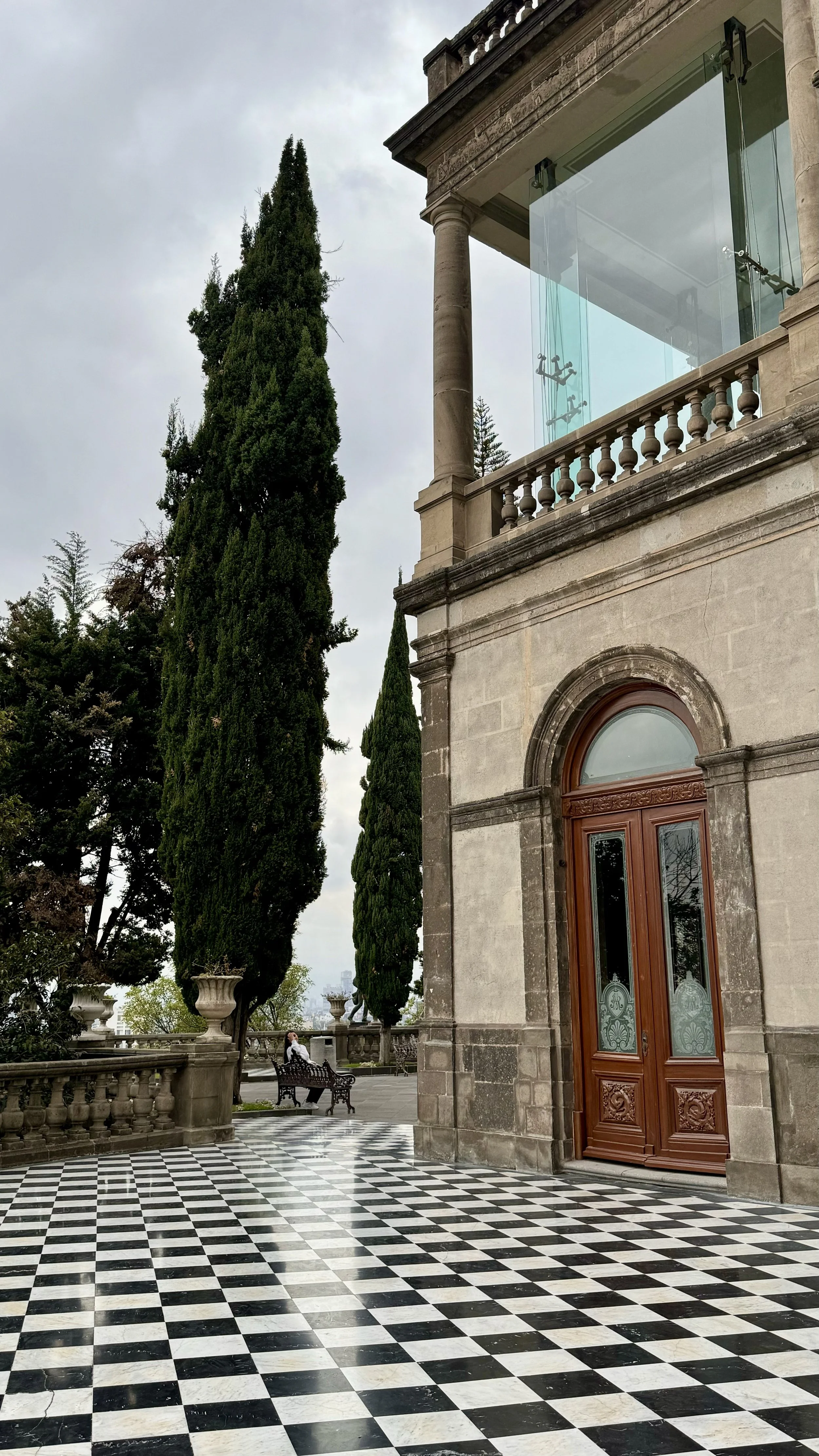
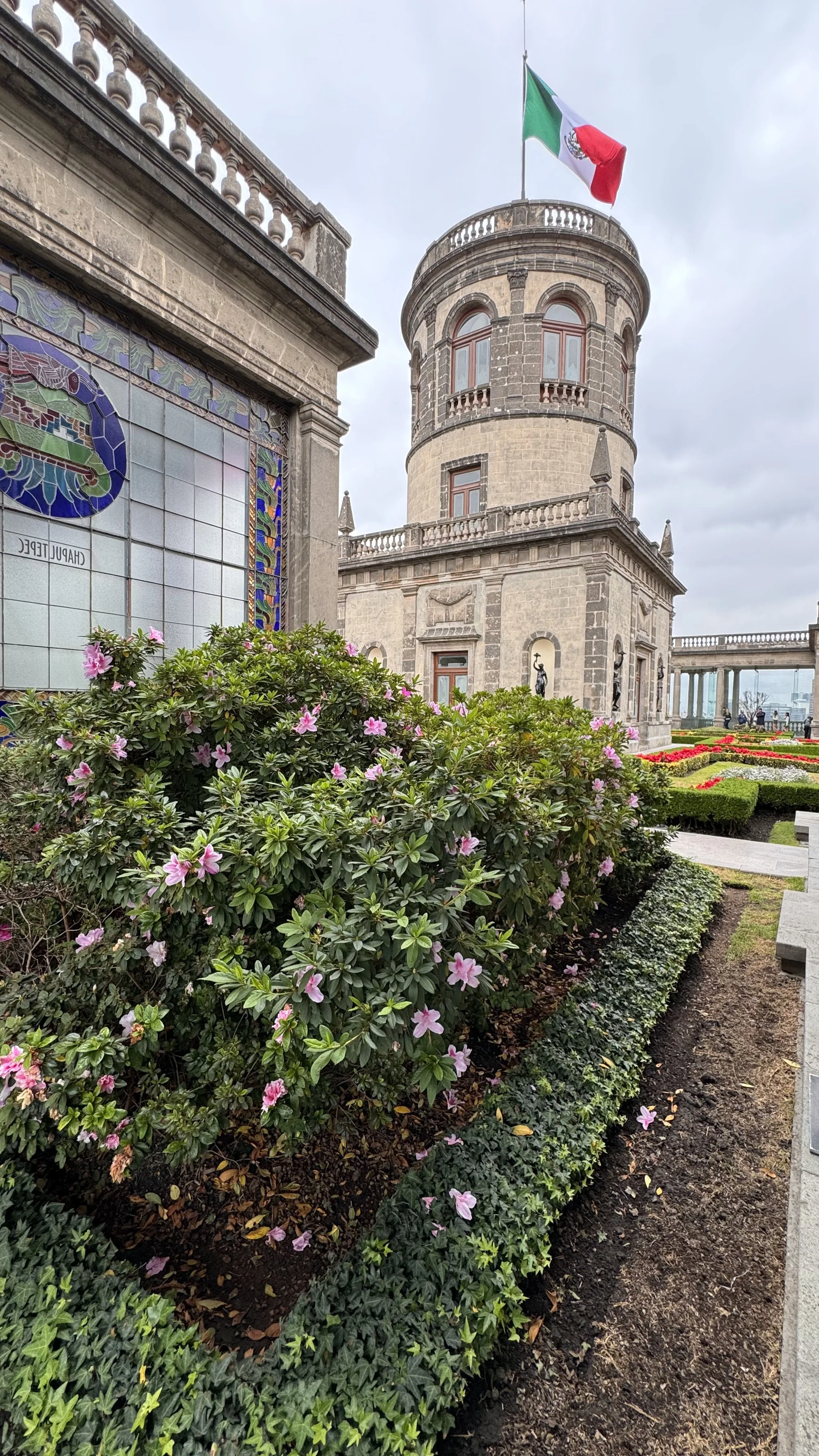
Chapultepec is Mexico City's largest park and one of the biggest city parks in the world, at 1,695 acres. It's also home to Chapultepec Castle, sitting on a hill above the park.
Visit Castillo de Chapultepec and Bosque de Chapultepec
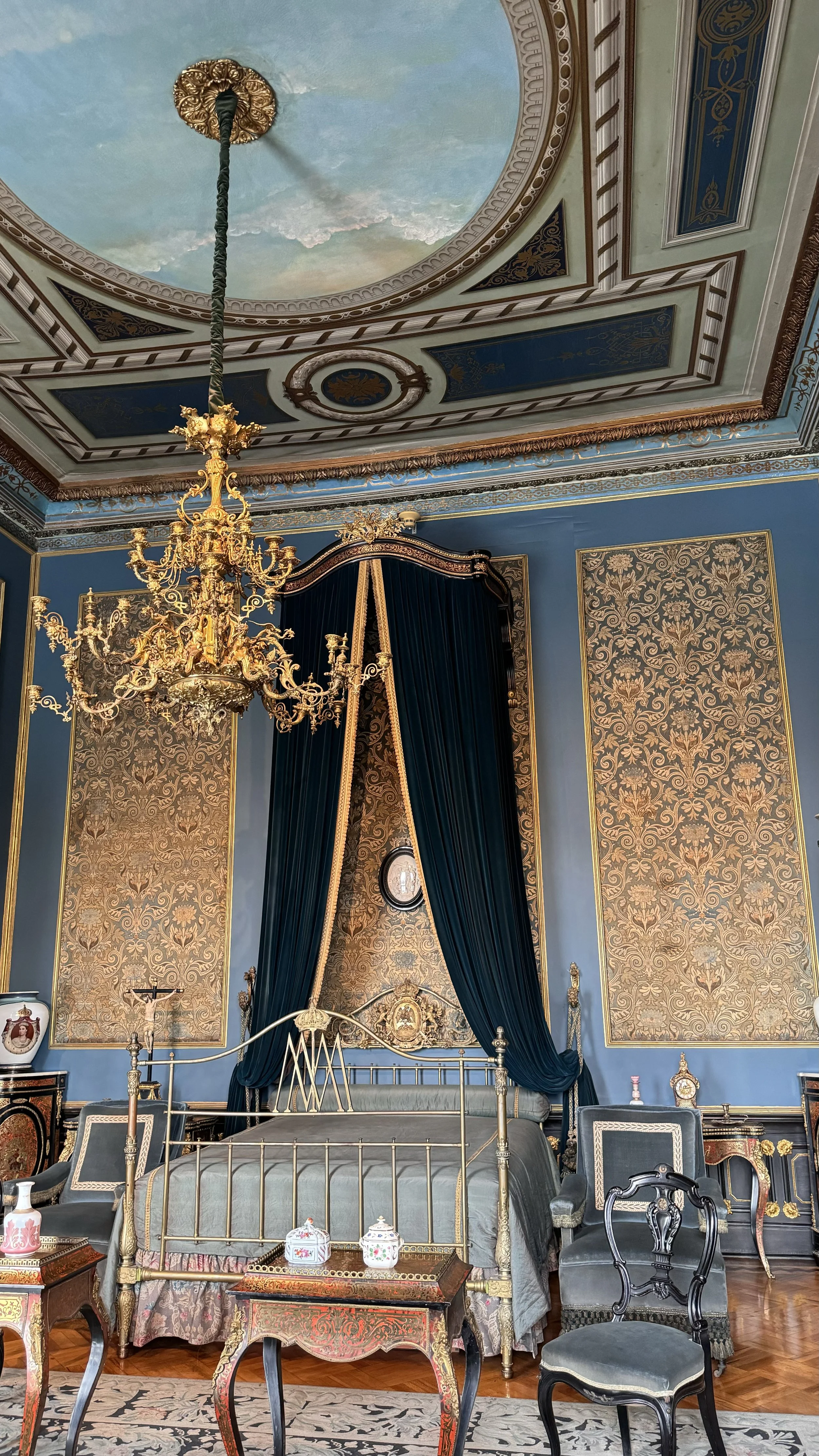
Chapultepec Castle covers a wide stretch of Mexican history inside, from the colonial period through the 20th century. On your way through, you'll get views over Bosque de Chapultepec and the city below. Tickets and hours here.
Spend the rest of the day walking through the park itself. There's enough space and shade here to just slow down for a few hours.
Tip: Start early, and book your castle tour ahead of time.

Day 7: Juárez & Casa Gilardi
The last day is all about taking in those last-minute pleasures before heading home, and this lineup makes it special and stress-free.
Tip: You have to schedule your Casa Gilardi visit by email before you arrive in Mexico City.
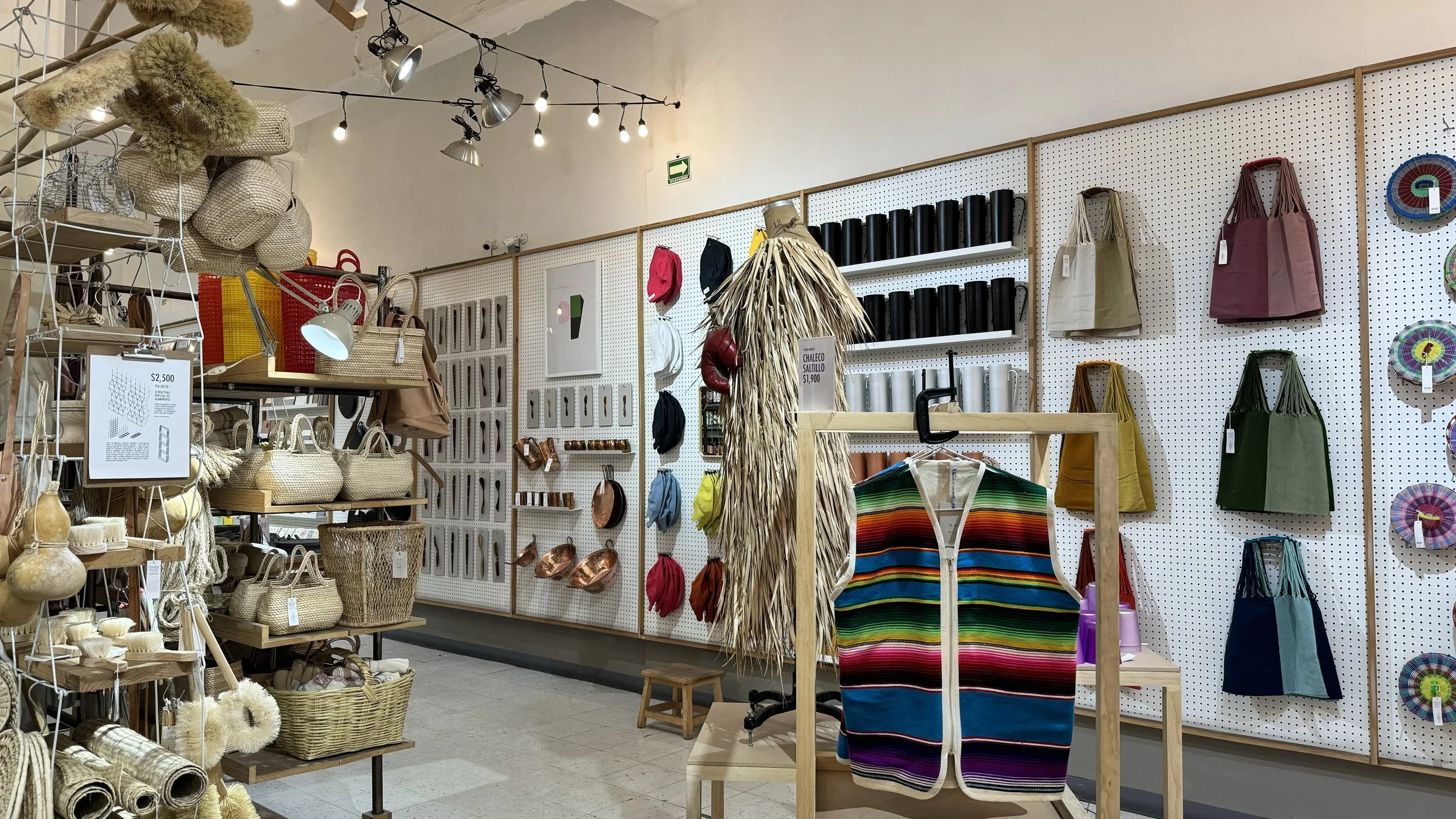
Shop at Utilitario Mexicano in Juárez
A concept store of everyday objects made in Mexico. Simple, well-made things rather than souvenirs. We left with several gifts to bring home. You can browse their online shop too. Thanks to my friend, a Mexico City local, for pointing me here, and toward Juárez as a neighborhood in general.

Visit Casa Gilardi
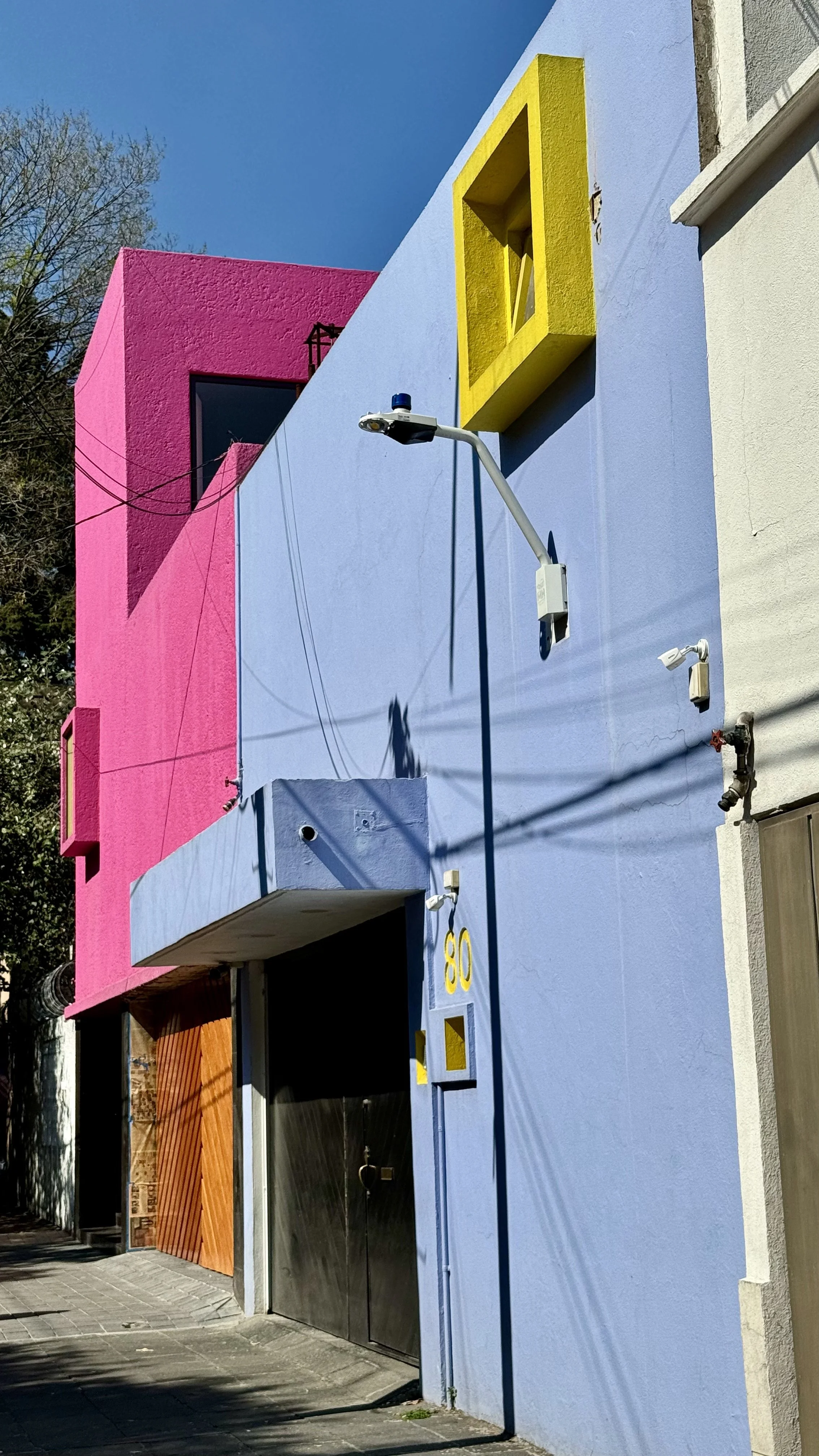
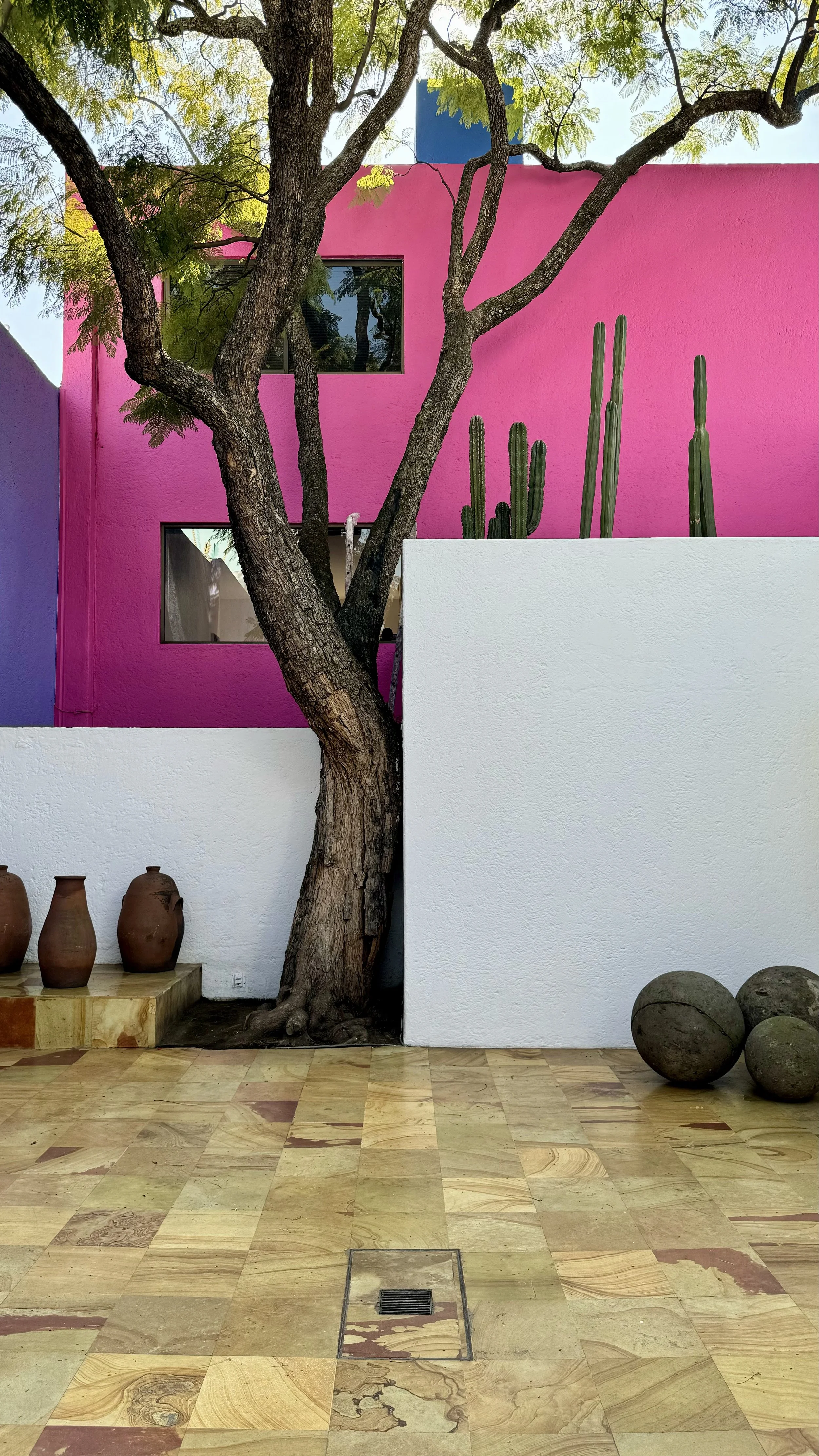
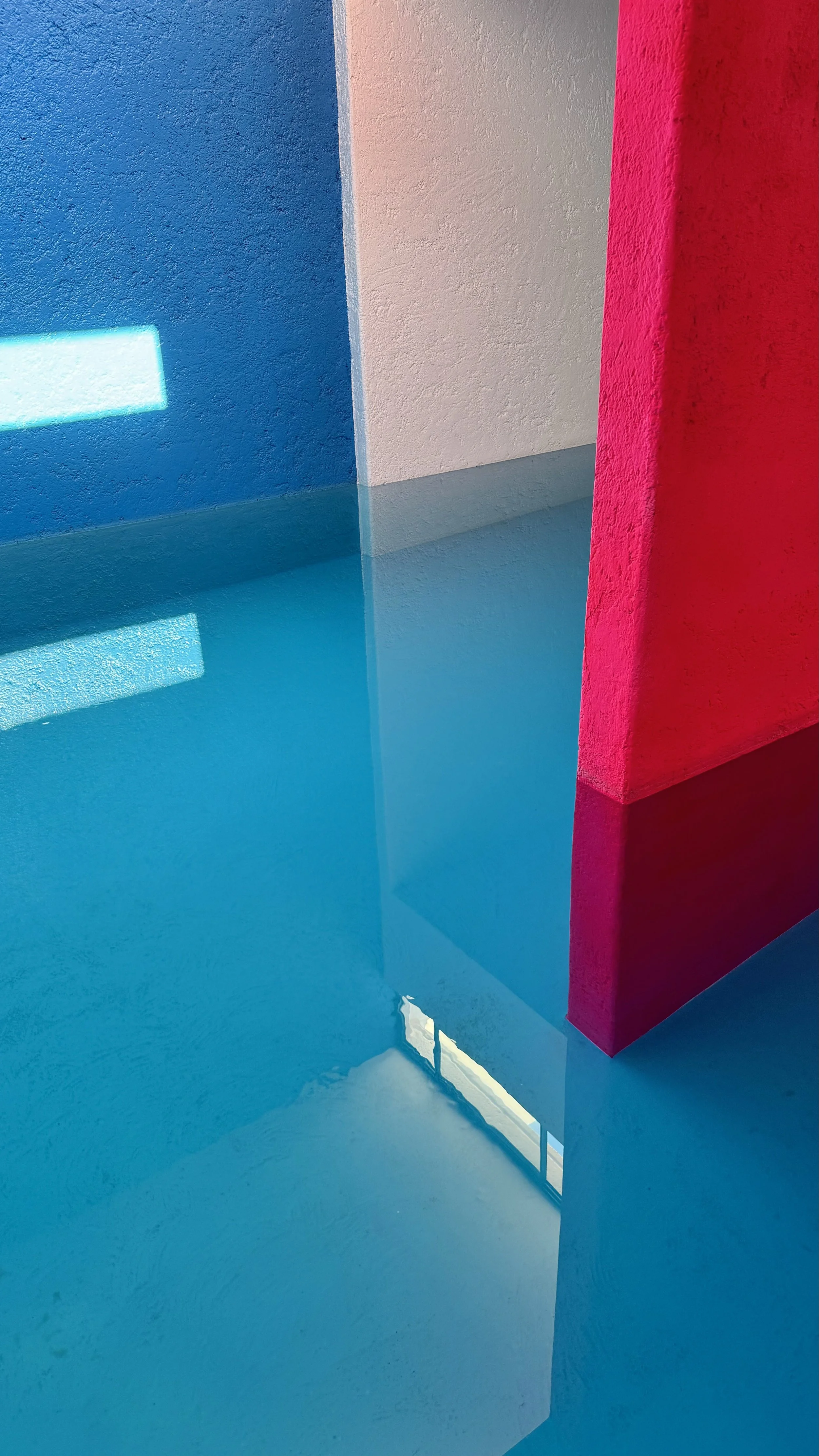
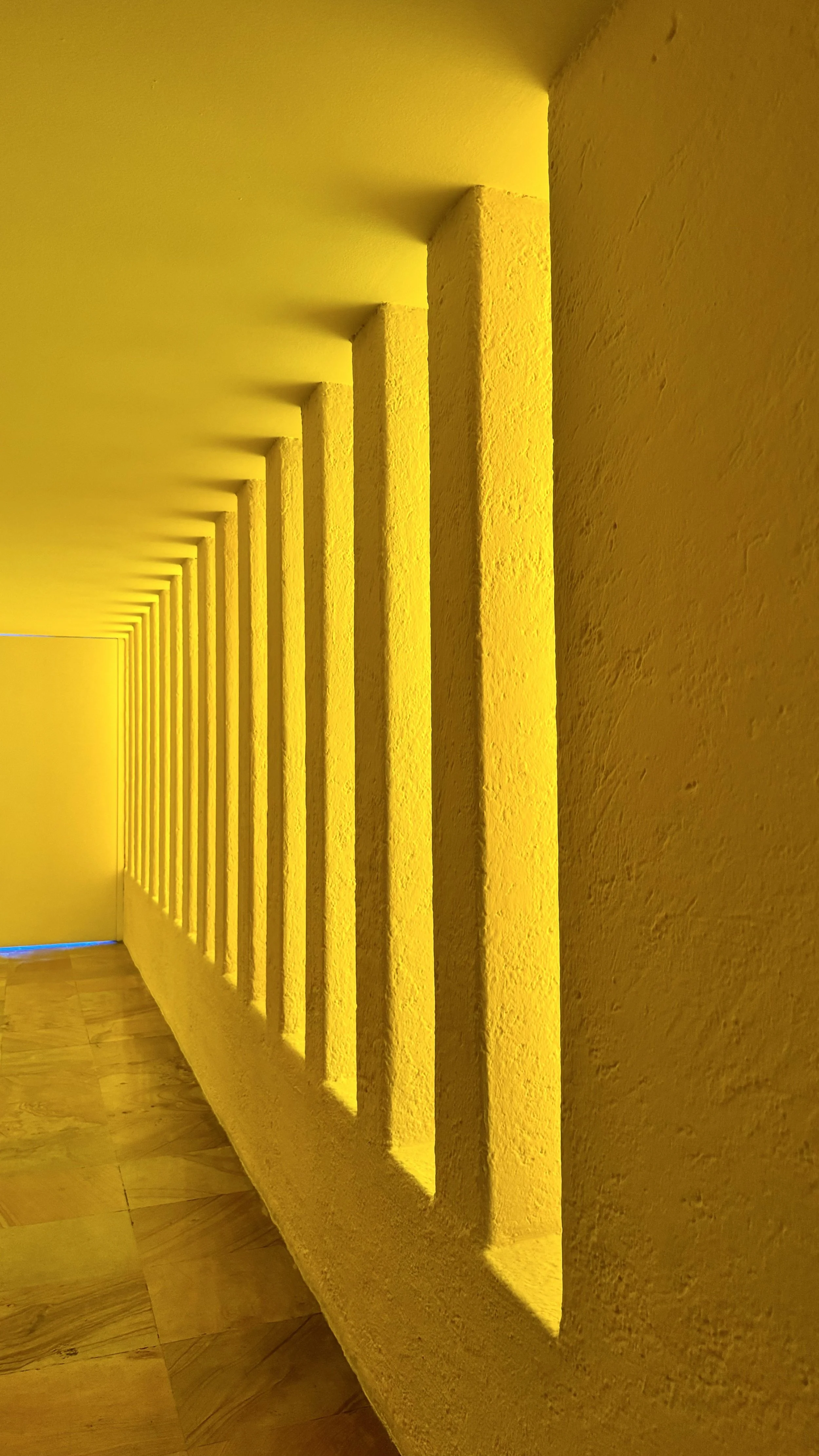
Casa Gilardi was the last private home designed by architect Luis Barragán and is still owned by the same family. It's built around a large jacaranda tree, colorful without feeling busy. The best part of the visit was hearing directly from one of Gilardi's sons, who greeted us during our tour.
Tip: Make a reservation ahead of time. Visits are by reservation only.
Dine at Madereros
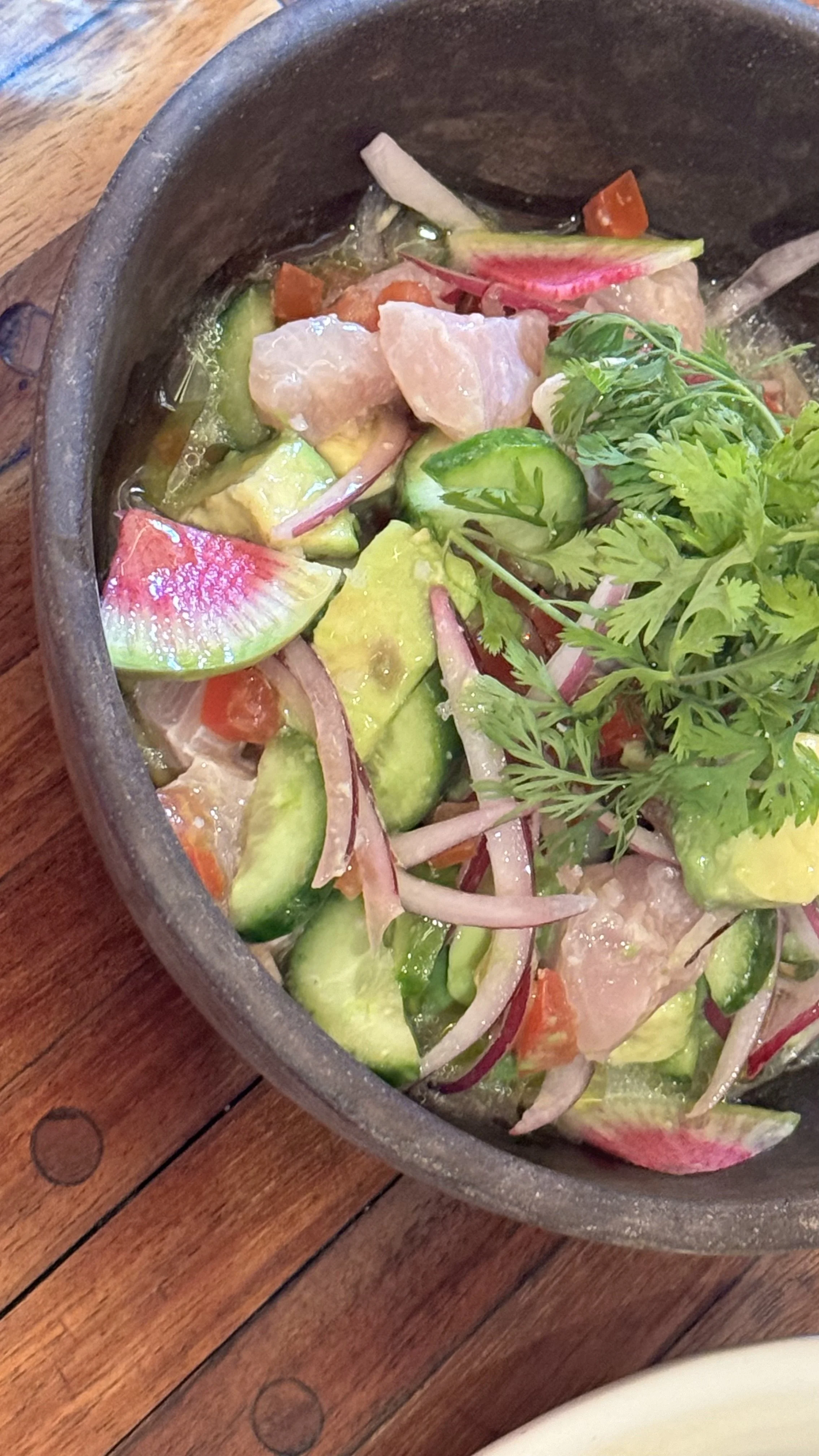
On the same block as Casa Gilardi, Madereros was an amazing find and the perfect ending to the day. Its colorful setting and beautifully plated dishes, along with the attentive staff, really made this a wonderful final goodbye sit-down meal in Mexico City.



Final Thoughts: Is 7 Days in Mexico City Enough?
Honestly, no, and that's the best endorsement I can give it. Seven days is enough to move through six neighborhoods, eat well, and come away with a real feel for the city. It's not enough to see all of it, and I don't think any amount of time would be. That's what kept bringing me back: not fear of missing out, but the sense that Mexico City just keeps opening up the more time you spend in it.
If this is your first trip, seven days will give you a solid, well-rounded introduction, enough to know what you loved and what you'd go back for. If you're already planning a second trip, you're in good company. I'm already thinking about my third.
✧ For the intentionally curious traveler - pass it on.
More from Mexico: Unveiling the Charms: Top Things to Do, Stay, and Eat in San Miguel De Allende, Mexico

Karen Gomez
I'm a NYC-based travel writer, photographer, and the founder of Passport in Photos — for those who want to feel somewhere, not just see it.