
What 2025 Taught Me About How I Want to Travel in 2026
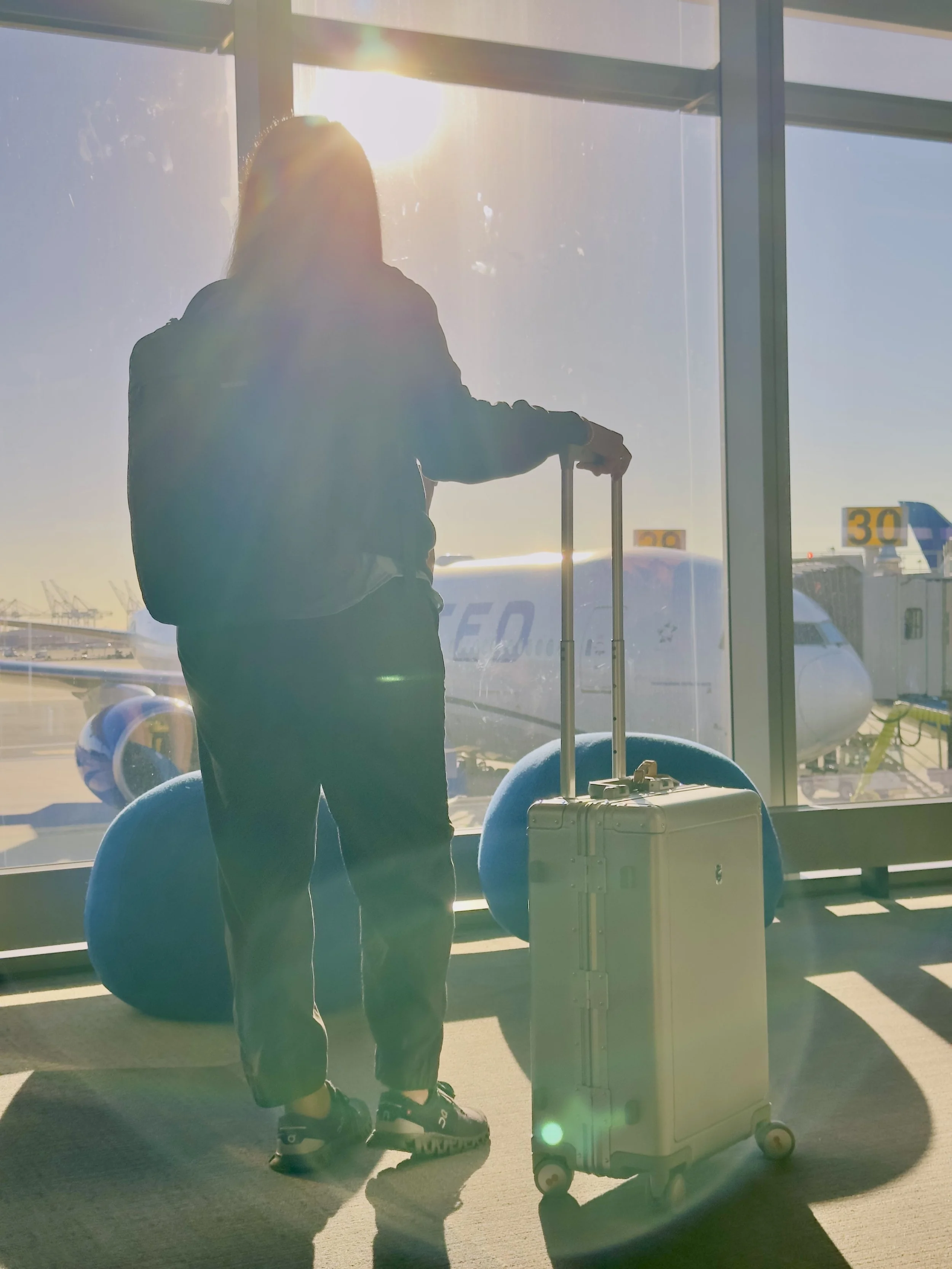
Why shoulder seasons, flexibility, and smarter planning will shape my travel in 2026.
2025 changed the way I think about travel. Rising temperatures, crowded peak seasons, flight disruptions, and shifting priorities have made it clear that the way we planned trips even a few years ago often no longer works.
One lesson stands out: the old rules don’t apply anymore. Seasons have shifted, travel is less predictable, and flexibility isn’t optional - it’s essential. Moving forward, the way I plan trips has to reflect that reality.
Here’s what 2025 taught me and how it’s shaping the way I’ll travel in 2026.
“And then I realized adventures are the best way to learn.”
High Season Isn’t What It Used to Be (And I’m Avoiding It)

Unfortunately, high season now often means extreme heat, and not ideal conditions.
Summer used to feel like the obvious choice. In reality, it’s increasingly uncomfortable, crowded, and harder to enjoy fully if you’re doing anything beyond sitting by the beach. My trip to Sicily this summer reinforced this. I chose this destination based on timing (an August birthday), rather than climate. The trip itself was still special, but the heat changed how we moved through our days. We had to be strategic with the timing and types of activities we did outdoors. We also found ourselves running out of energy much faster.
Moving forward, I will try to avoid traveling during a destination’s high season.
For more on my trip to Sicily, check out my blog post “How to Spend 4 Unique Days in Eastern Sicily: A Complete Travel Guide”
Shoulder Season Is the Sweet Spot
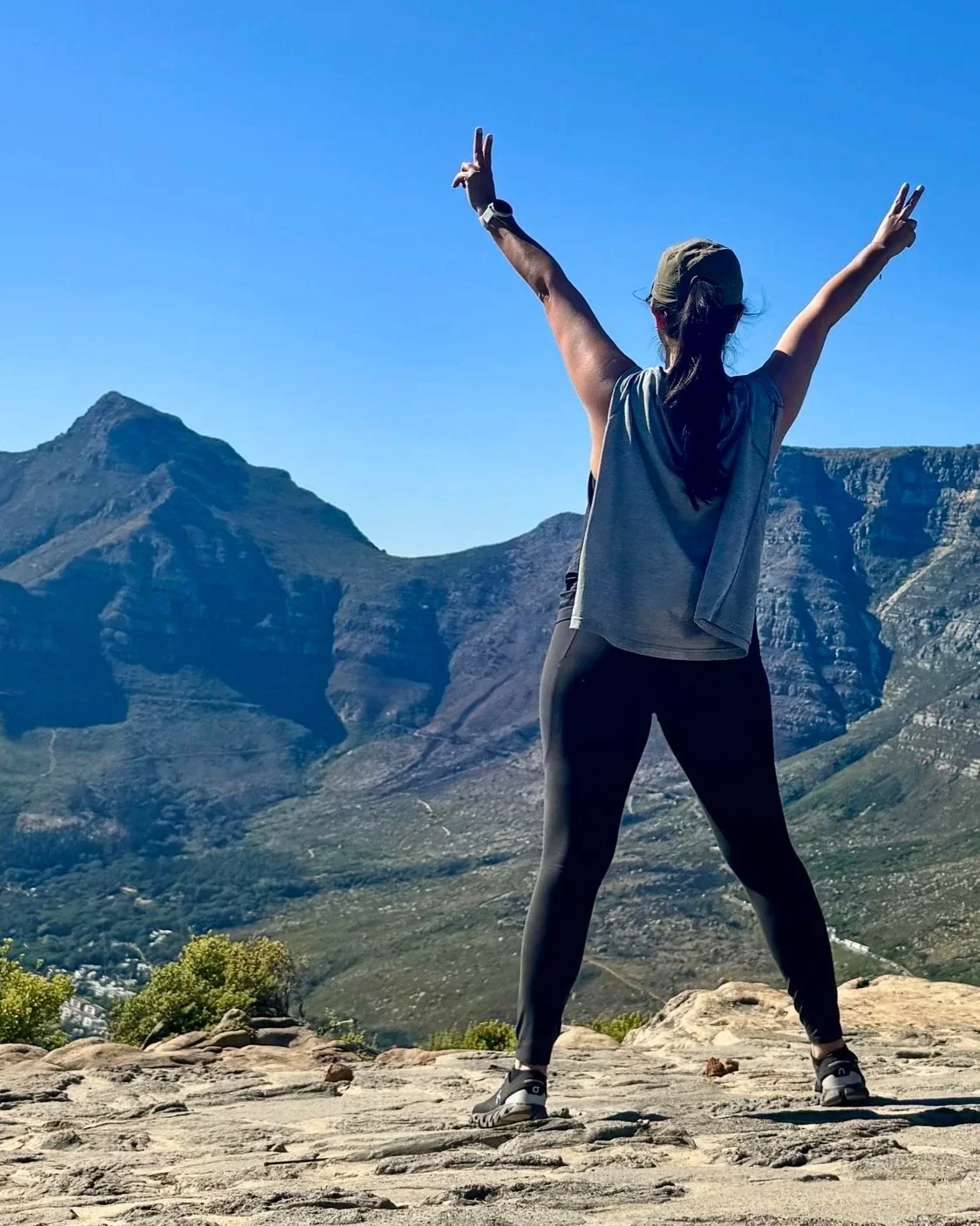
Shoulder season travel isn’t just about fewer crowds; it’s about better overall conditions. I learned this in Cape Town, South Africa, this March.
Shoulder seasons provide:
- More comfortable temperatures
- Greater availability
- Better value for flights and accommodations
- Less pressure to rush or compete for space
In 2026, shoulder season will be my default unless there’s a compelling reason not to.
For more on my trip to Cape Town, check out my blog post “12 Unforgettable Days in South Africa: Why It’s Totally Worth the Trip”
How I Move Matters (Airline vs. Train vs. Car)
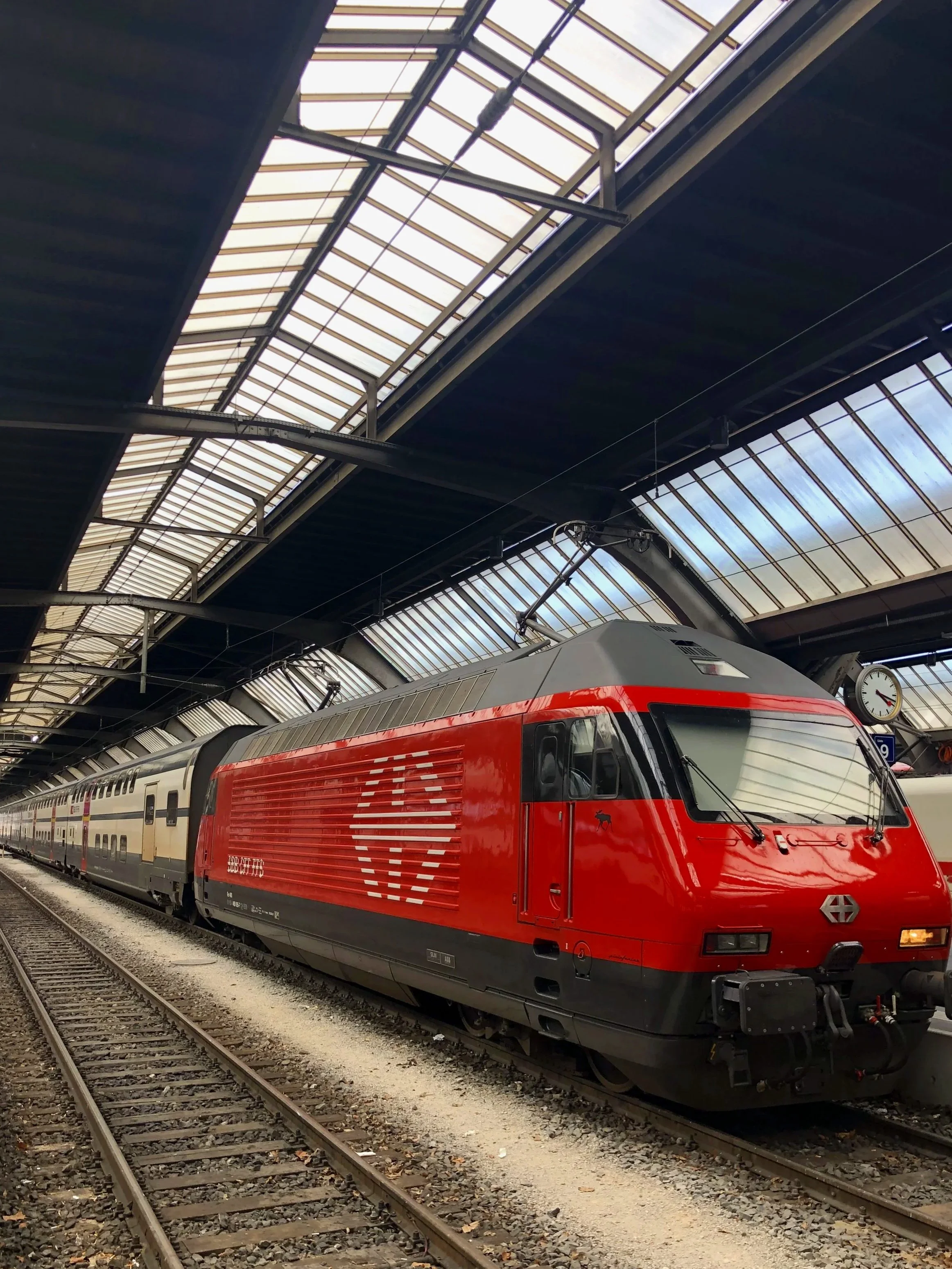
Another shift that became impossible to ignore in 2025 was how I get somewhere shapes the entire experience.
Flying will always have its place, especially for long distances. But this year reminded me how often planes can add stress (delays, cancellations, missed connections, etc.), especially when you’re hopping between multiple cities.
In 2026, I’m going to be more intentional about mixing transportation modes:
- Choosing trains when they make sense, especially in places like Europe, where the journey itself becomes part of the experience
- Opting for road trips when they allow access to quieter places and more control over timing
- Flying less frequently, but more strategically (staying longer in fewer places)
Travel Is Dysfunctional Right Now So Flexibility Is Non‑Negotiable

Let’s be honest, a lot about travel is broken at the moment.
I’ve experienced one-hour delays turning into cancellations multiple times lately. I’ve sat on hot planes before takeoff. The list goes on the more I travel.
2025 reinforced that the most important travel skill isn’t planning, it’s pivoting. You have to travel expecting disruptions and be mentally prepared to adapt. The smoother trips weren’t the ones without problems; they were the ones where I chose to stay calm, flexible, and decisive when things went wrong.
Carry‑On Only Is a Power Move
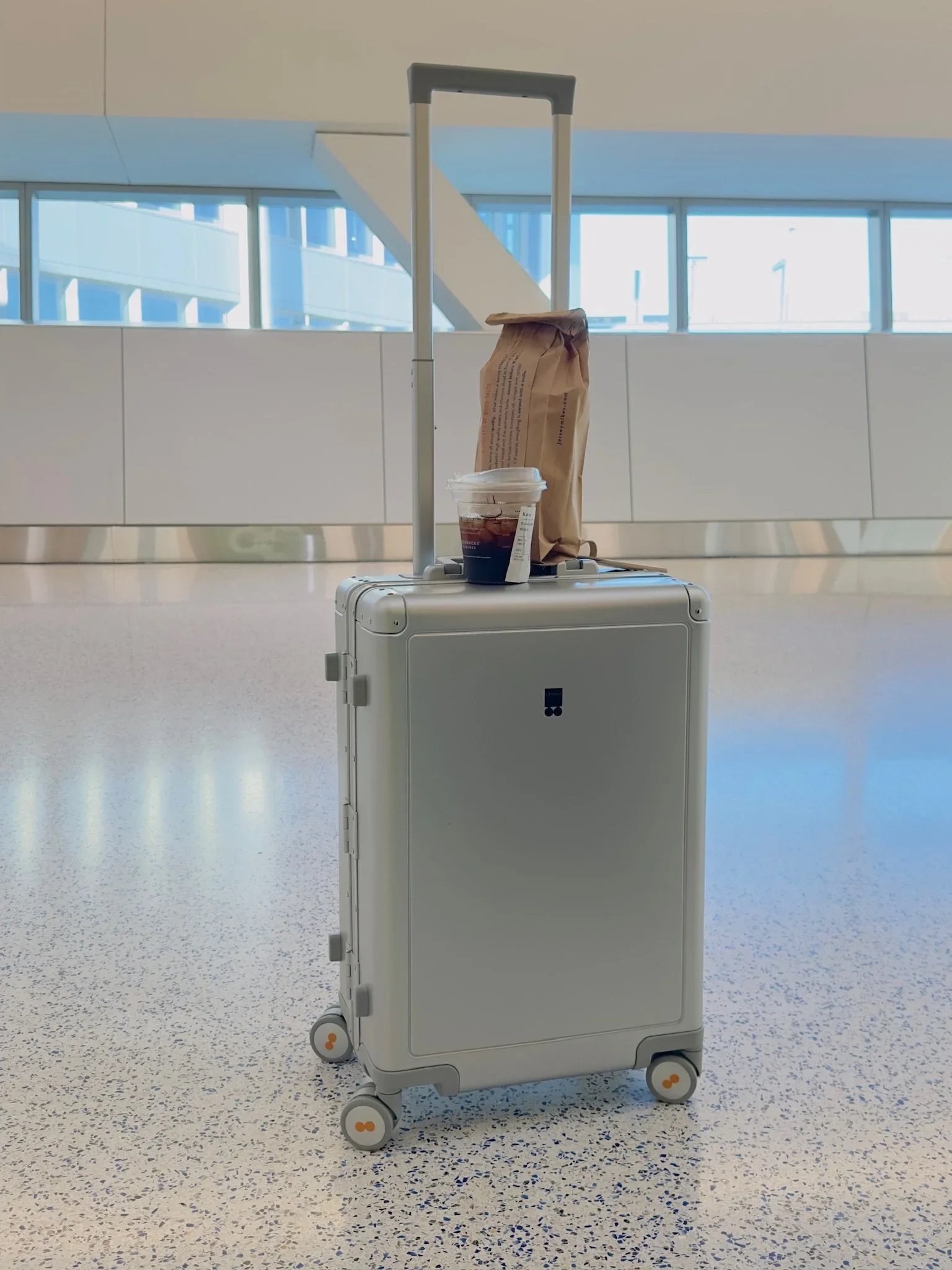
If there’s one travel habit I have sworn by for a while now, it’s packing a carry‑on only whenever possible.
In a year filled with delays and cancellations, traveling light gave me:
- More flexibility to rebook or reroute
- Faster airport exits
- Less stress during disruptions
Not checking a bag meant that when plans changed, I could change with them.
In 2026, if a trip can reasonably be done with a carry‑on, that’s the rule in my opinion, not the exception.
Speak Up When Things Go Wrong
This is something too many travelers don’t do, and 2025 proved to me why you should.
On a trip to Los Angeles this year, a connection kept getting delayed until it was eventually canceled. To even make it to LA the next day, I made a last‑minute decision to rent a car, drive an hour to an international airport, and book a hotel overnight. It wasn’t ideal, but I stayed proactive, especially because this trip was extra meaningful.
After the trip, I contacted the airline, clearly explained what happened, and documented the extra costs and disruption. As a result, the airline provided my travel companion and me with credits for future flights.
The lesson I reaffirmed was to advocate for yourself. Airlines won’t always volunteer compensation, but they often will respond when you ask.
Planning Ahead Pays Off

One thing that did work consistently in 2025 was planning my travels ahead of time (aka my super power).
Mapping out the year as much as possible in advance made it easier to:
- Find deals
- Stay flexible with destinations
Google Flights is my go‑to. I rely heavily on date grids, price tracking, and destination‑agnostic searches. The more flexible you are with when and where you want to go, the better the deal tends to be.
In 2026, I’m planning the year broadly first, then locking in trips when prices and timing align.
How I’m Traveling in 2026
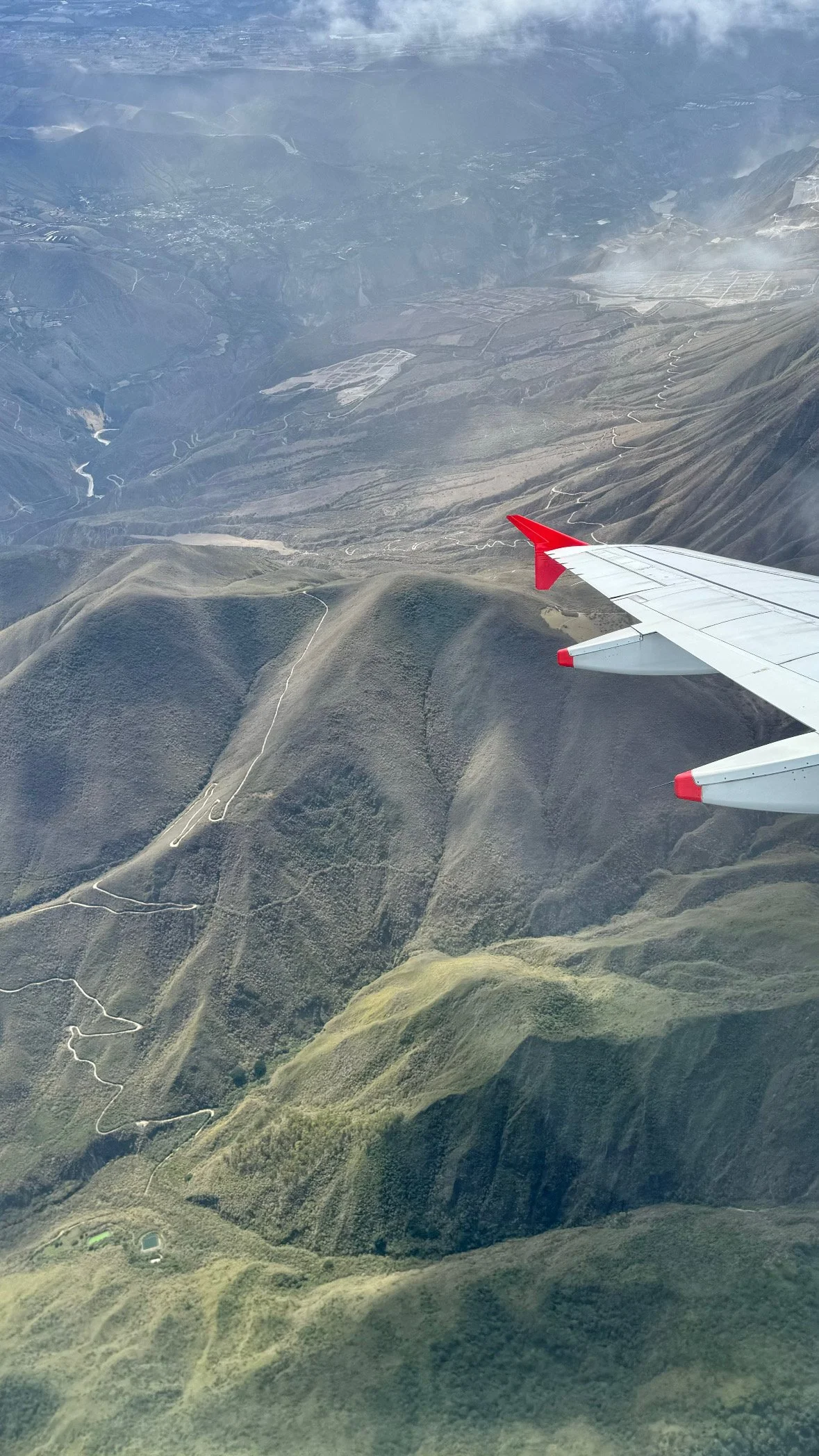
I’m not chasing more trips next year. I’m choosing smarter ones.
What that means to me:
- Avoiding extreme heat when possible
- Prioritizing shoulder seasons
- Staying longer in fewer places
- Being intentional about how I move (air, train, or car)
- Packing light
- Staying flexible and ready to pivot
- Advocating for myself when things go wrong
- Planning early, but holding plans loosely
2025 didn’t make me want to travel less. It taught me how to travel better. I hope the lessons I learned this year inspire you to plan a more thoughtful and successful 2026 exploring the world.
✧ For the intentionally curious traveler — pass it on.
Posts that shaped how I think about travel:
5 Travel Trends That Are Reshaping the Way We See the World
Sustainable Travel: How to Explore Popular Spots Without Contributing to Overtourism

Karen Gomez
I'm a NYC-based travel writer, photographer, and the founder of Passport in Photos — for those who want to feel somewhere, not just see it.