
Caramoor: One of the Most Beautiful Day Trips from NYC
I visited Caramoor as a hosted guest. As always, all opinions are my own.
The Rosen House at Caramoor in Katonah, NY, with picnic tables set out for guests to enjoy.
I'm always amazed by how easy it is to leave New York City for the day and feel like you've traveled much farther than you actually have. Finding a place that genuinely feels unlike anywhere else, though, is much rarer.
Just an hour north of Manhattan, Caramoor is one of those places. From the moment you arrive, the pace begins to shift. The soundtrack changes from traffic to birdsong. Historic architecture emerges through the trees. Lawns are filled with people enjoying picnics together. By the time the evening arrives, the music begins to fill the estate, and you could easily forget you're still in Westchester.
Before visiting, I knew Caramoor was considered a cultural destination. After spending an entire day there, I understood what that really meant. What I expected to be a beautiful concert venue turned out to be something much more immersive: an 81-acre estate where music, gardens, history, architecture, and hospitality come together with more intention than I expected.
Over the course of the day, I shared afternoon tea with Caramoor's President & CEO, Gillian Fox, wandered through the eclectic Rosen House with Director of Interpretation, Collection & Archives Jessa Krick, explored the gardens and sound art installations with Caramoor's marketing and PR team, enjoyed a leisurely picnic beneath the trees, and ended the evening with an unforgettable open-air opera performance in the Venetian Theater. Along the way, I discovered the fascinating story of founders Walter and Lucie Rosen, a story that completely changed how I viewed the estate.
What struck me most, though, wasn't any single room, concert, or garden. It was realizing that every part of Caramoor is built to make people linger. More than 80 years after Walter and Lucie Rosen envisioned a place where people could gather around beauty, music, art, and hospitality, that vision continues to shape every visit today.
Whether you're planning a peaceful day trip from NYC or hoping to spend a day inspired by your surroundings, Caramoor gives visitors a reason to come back in every season.
A garden archway marks the start of an unhurried afternoon at Caramoor.
A Different Kind of Day Trip from NYC
Most memorable day trips are made up of several stops: a museum, lunch, a walk through a garden, maybe an evening performance if you're lucky. At Caramoor, all of those moments exist in one place, and they unfold quietly over the course of the day.
What makes Caramoor special isn't that it offers so much, it's how naturally all of it fits together. Nothing feels rushed. In fact, you’re encouraged to arrive early and wander without an agenda. It feels less like checking attractions off an itinerary and more like spending the day at the home of someone who wants you to enjoy yourself.
That ease traces back to its founders, who first opened their home to friends, artists, and musicians long before Caramoor became a public destination, and that same spirit of hospitality still shapes the visit today, from the welcome inside the Rosen House to the gathering spaces scattered across the grounds.
Afternoon Tea in the Music Room
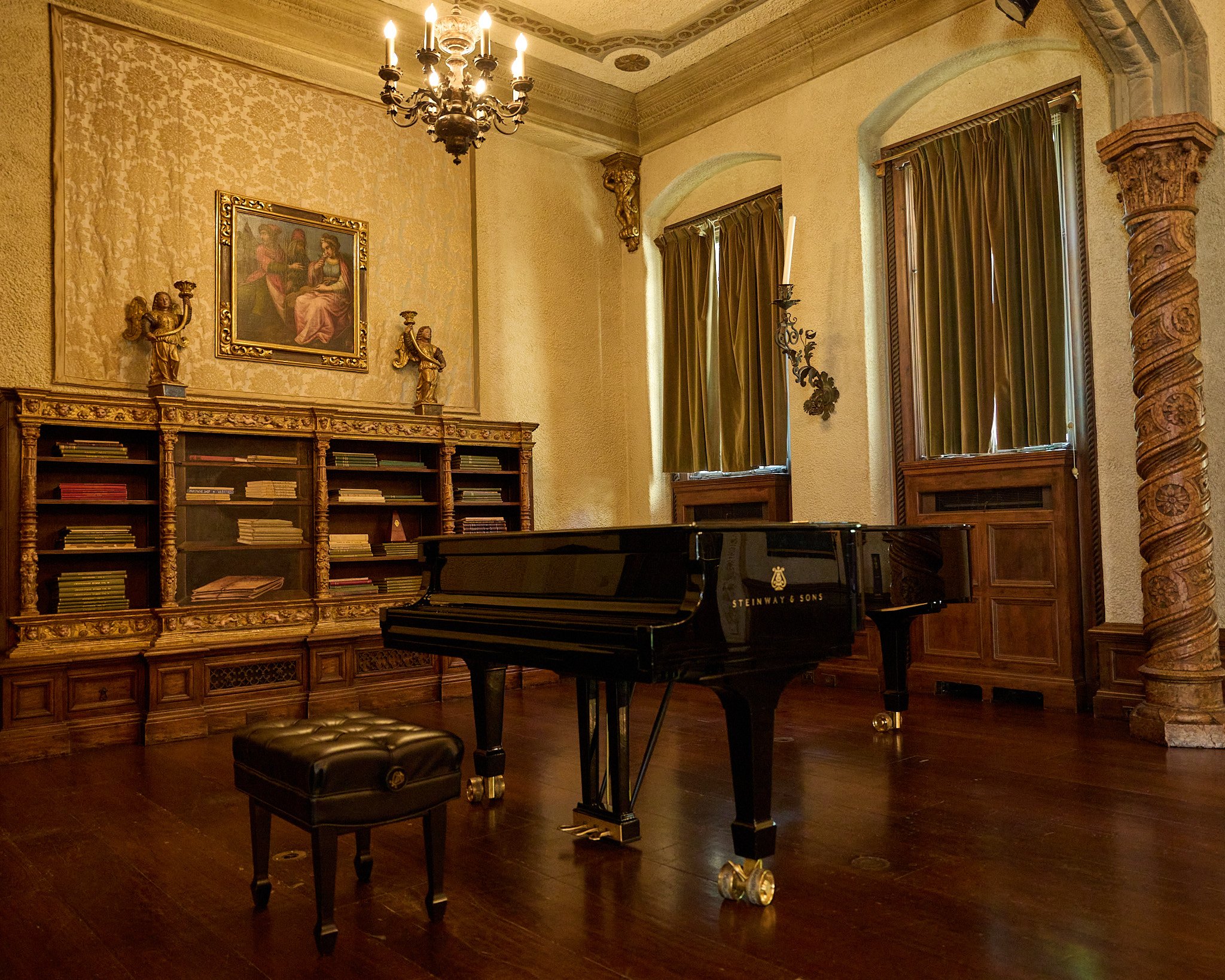
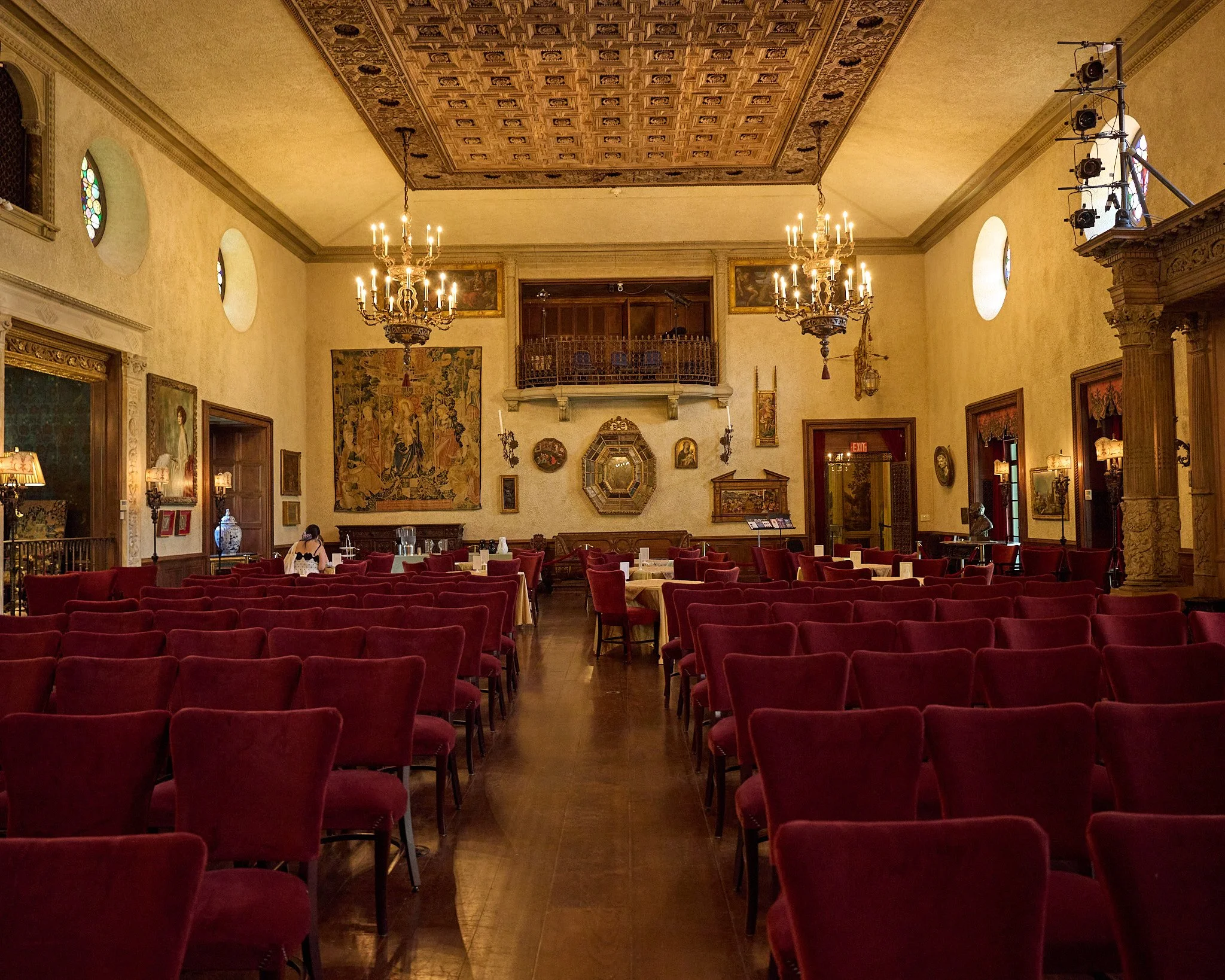
My visit began with afternoon tea in the Rosen House Music Room, and in many ways, it was the perfect introduction to Caramoor. Before I had toured the house or wandered the gardens, I was already experiencing one of the qualities that have defined this estate since Walter and Lucie first welcomed artists and guests into their home: hospitality.
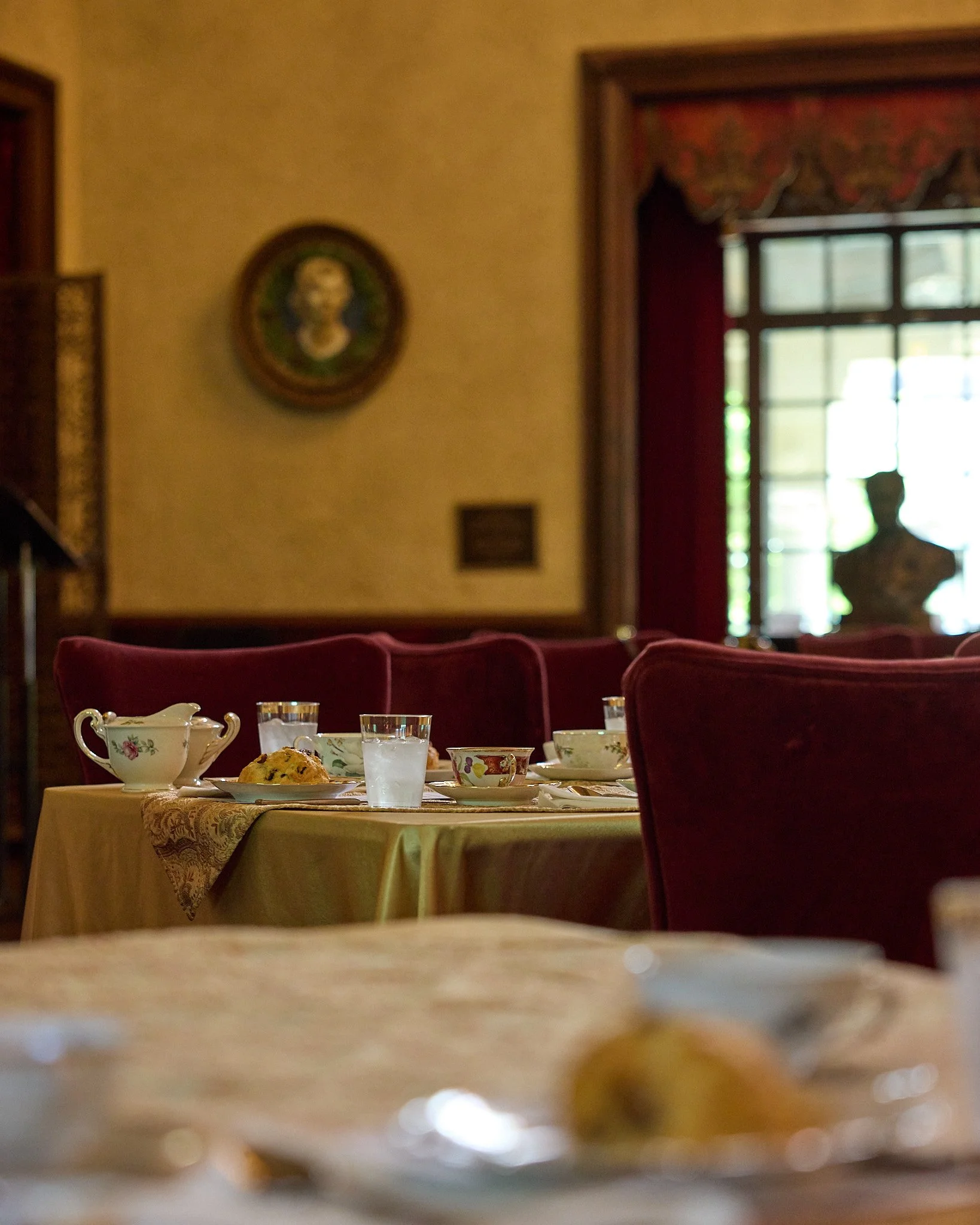
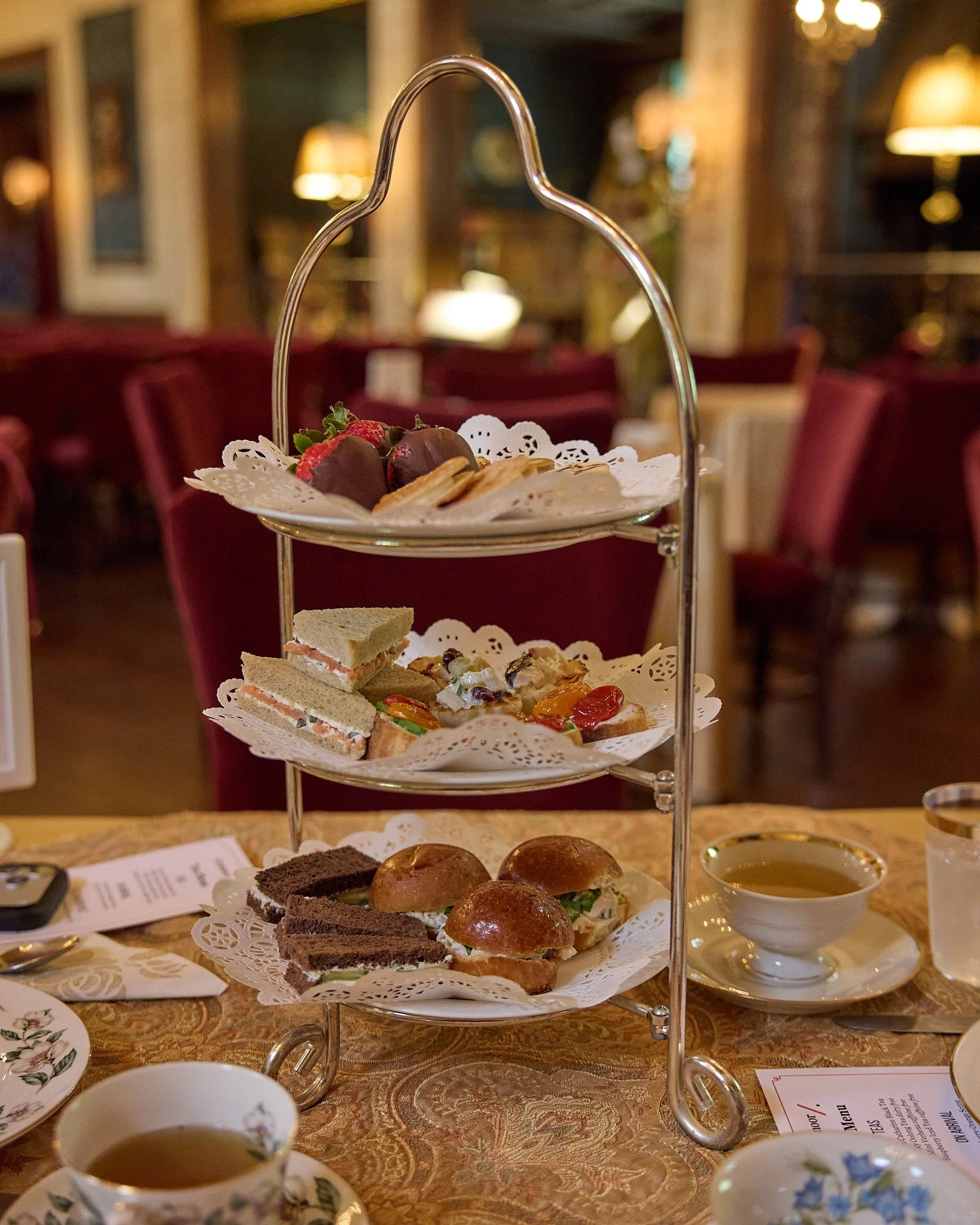
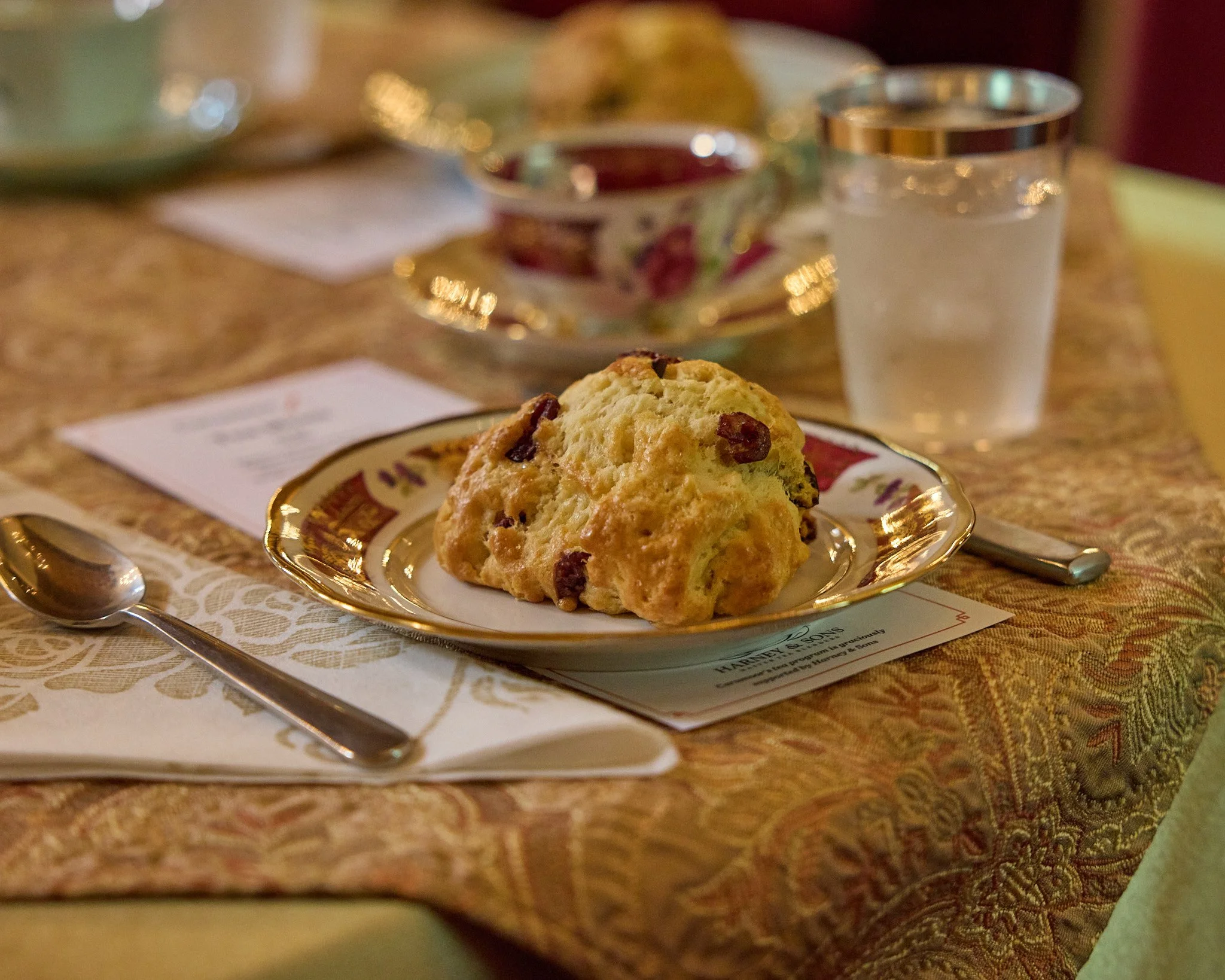
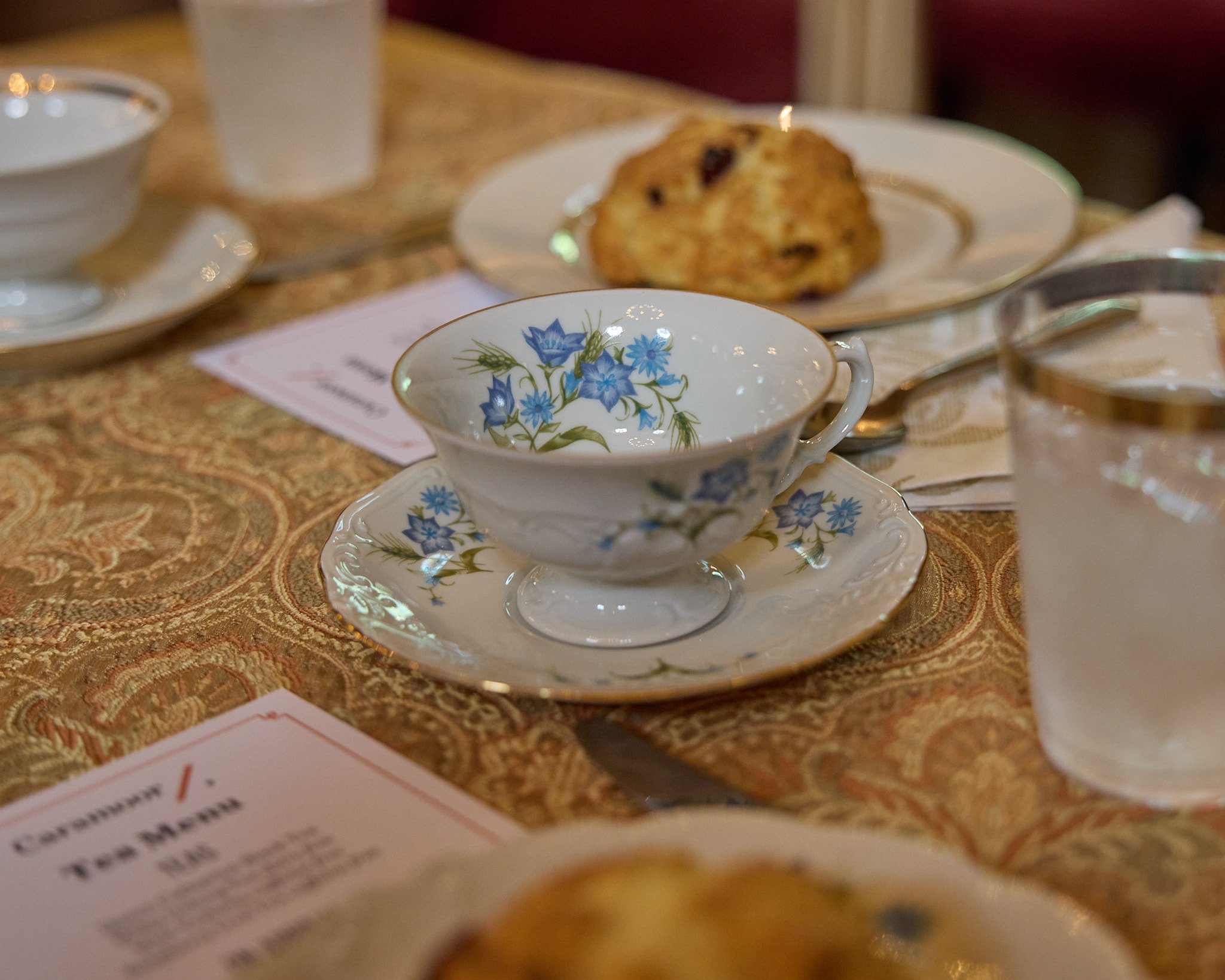
Over tea, I asked Gillian, how she describes a place that's part performance venue, part historic estate, part sound art, and part peaceful retreat. Her answer was refreshingly simple: “Caramoor connects music, arts, and nature to create exceptional quality cultural experiences."
The more we talked, the more I realized that those experiences are intentionally designed so that no two visits ever feel quite the same. Depending on when you come, your day might revolve around an outdoor concert, afternoon tea, a house tour, yoga in the Sunken Garden, a holiday event, or simply spending the afternoon on the grounds. Even the changing seasons create an entirely different atmosphere, giving visitors a reason to return again and again.
But the idea that resonated with me most was how Gillian described the experience of arriving here as "a feeling of being transported." That perfectly captured my own first impression. From the moment I arrived, it was as if I'd stepped into another place, and another time.
As our conversation continued, another theme kept resurfacing: quality. Whether it's classical music, jazz, Broadway artists, dance, family programming, or educational experiences, every event is curated with the same level of care. That consistency has built trust with audiences, encouraging them to return not just for a favorite genre, but to discover something entirely new.
It's also why a visit here feels less like moving between scheduled events and more like spending a day somewhere with its own rhythm. The tea, tours, and concerts all run on set times, but they flow together seamlessly, and you don't have to schedule every hour to enjoy being here.
By the time tea was over, I hadn't yet stepped inside the Rosen House or explored the gardens, but I already understood what makes Caramoor so special. It isn't just the music, the art, or the landscape; it's you've been invited somewhere meant to be experienced slowly, and that no matter when you return, there will always be something new waiting to be discovered.
The Rosen House
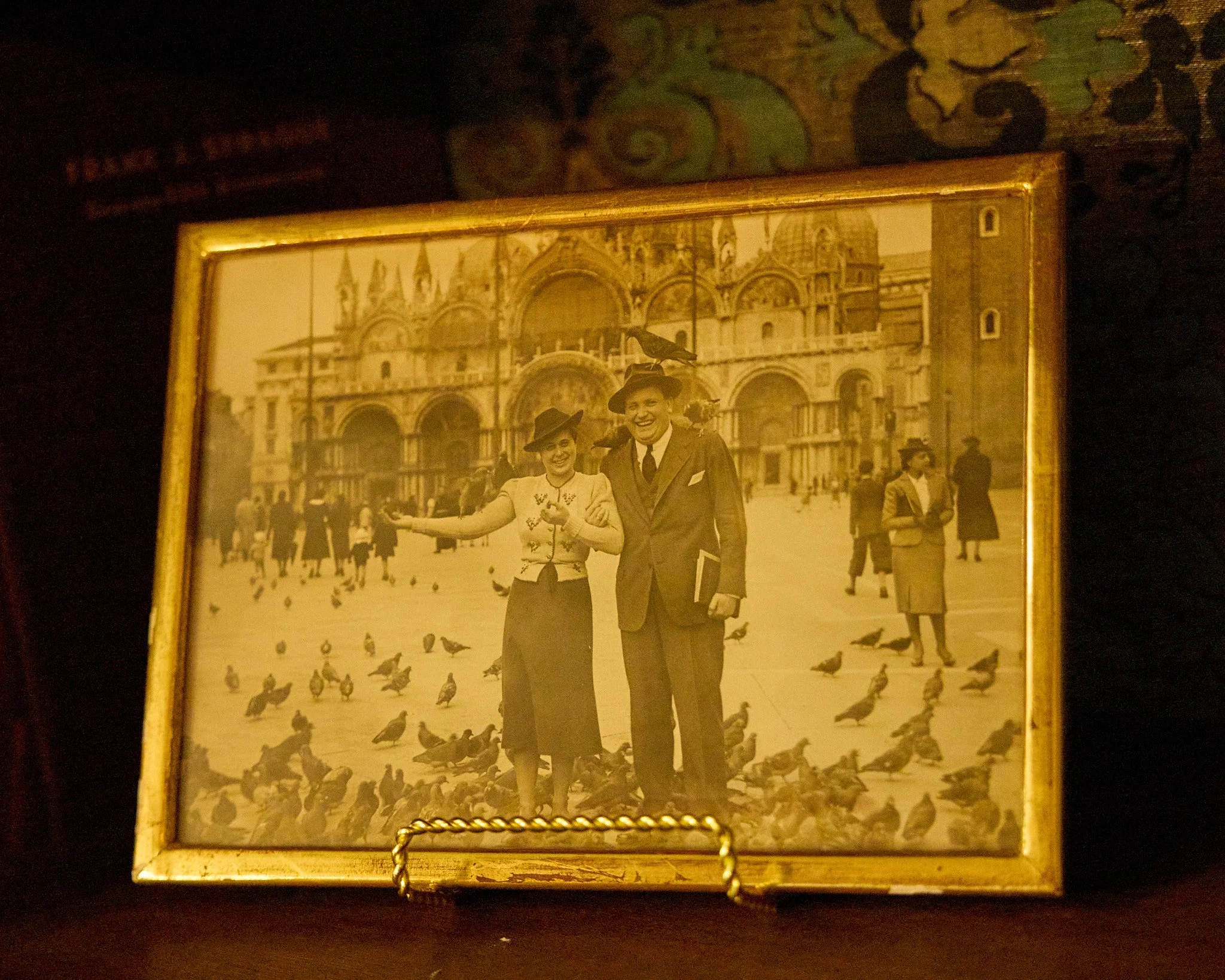
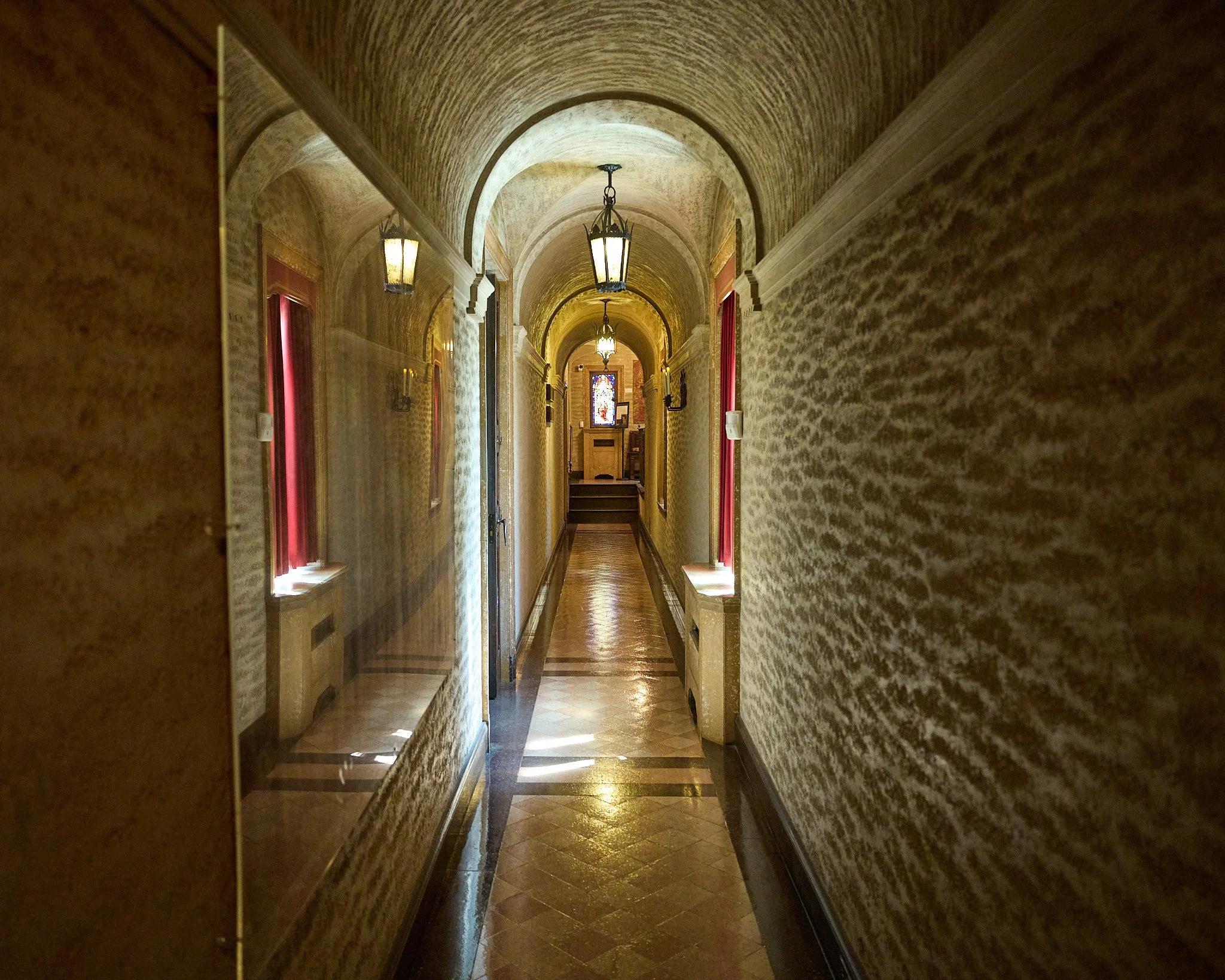
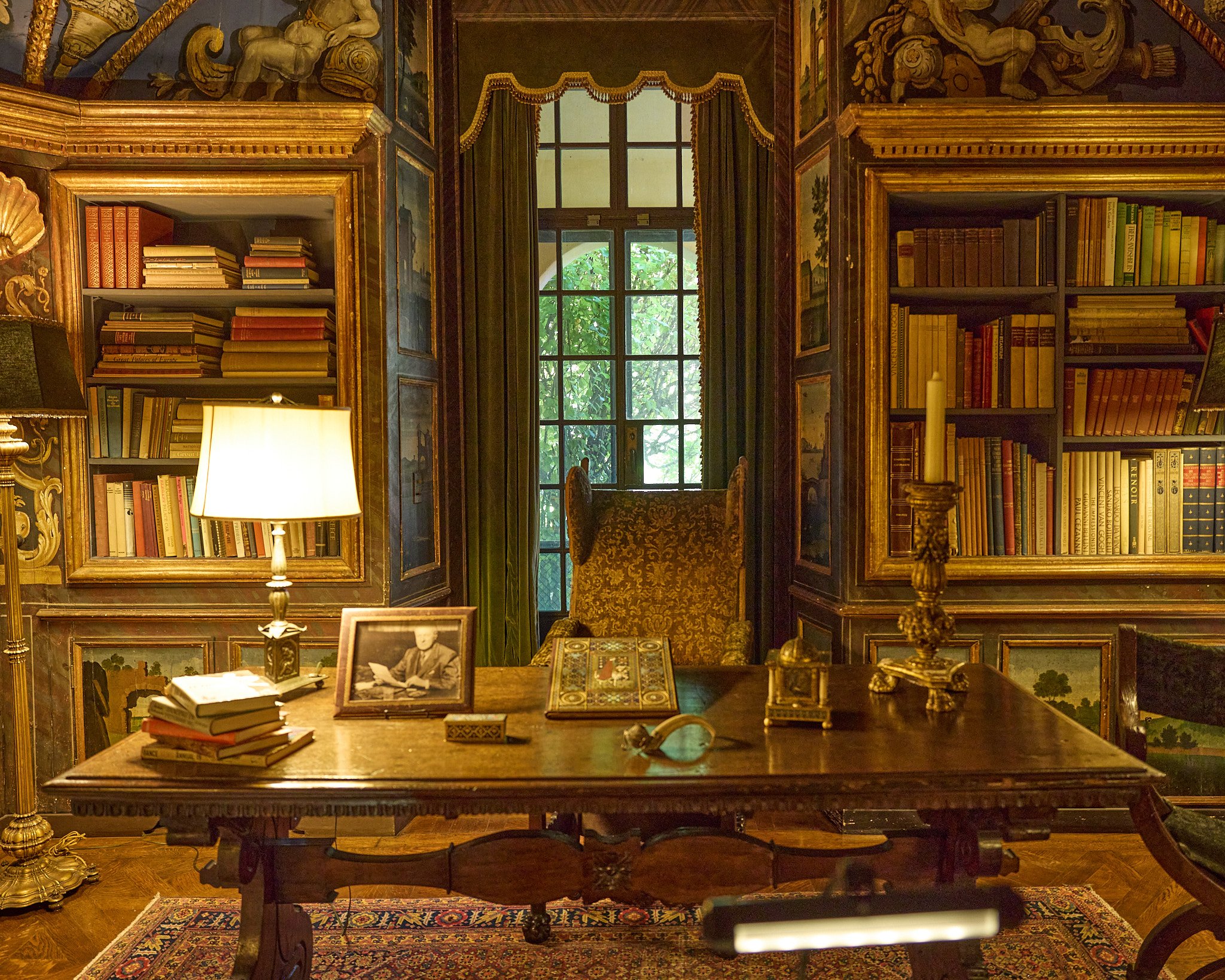
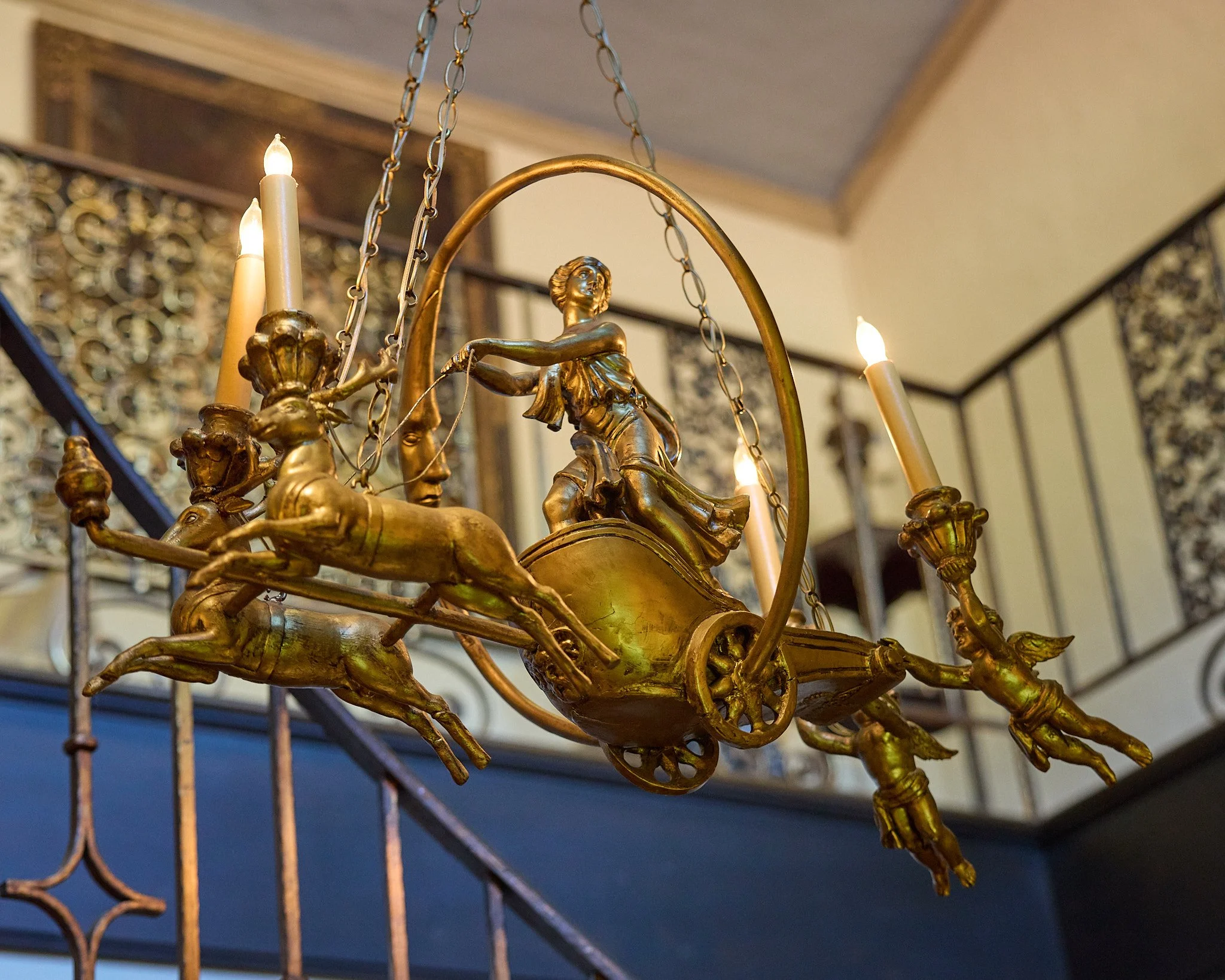
Walking into the Rosen House feels less like entering a museum and more like being welcomed into someone's home.
That's exactly what Walter and Lucie intended.
Long before Caramoor opened its doors to the public, the Rosens were passionate travelers, collectors, and patrons of the arts. They filled their home with the places that inspired them, bringing back architectural elements, furnishings, paintings, textiles, and decorative objects from across Europe, while also collecting Asian art through New York dealers. They weren't trying to recreate a single style or historical period. They surrounded themselves with beautiful things that simply caught their interest.
As someone who has built Passport in Photos around the idea that travel changes the way we see the world, I found that philosophy especially meaningful. Every room felt like another chapter in their travels, each object carrying a story from somewhere else.
Their interests reached far beyond collecting, however.
The Rosens also maintained a home in Manhattan, where Lucie immersed herself in concerts, theater, opera, dance, and galleries. But she believed those same world-class cultural experiences shouldn't exist only in New York City. As Gillian explained during our afternoon tea, one of Lucie's goals was to bring the same caliber of artists and performances she enjoyed in the city to her home in the country, creating a place where friends, neighbors, and eventually the broader community could experience them together.
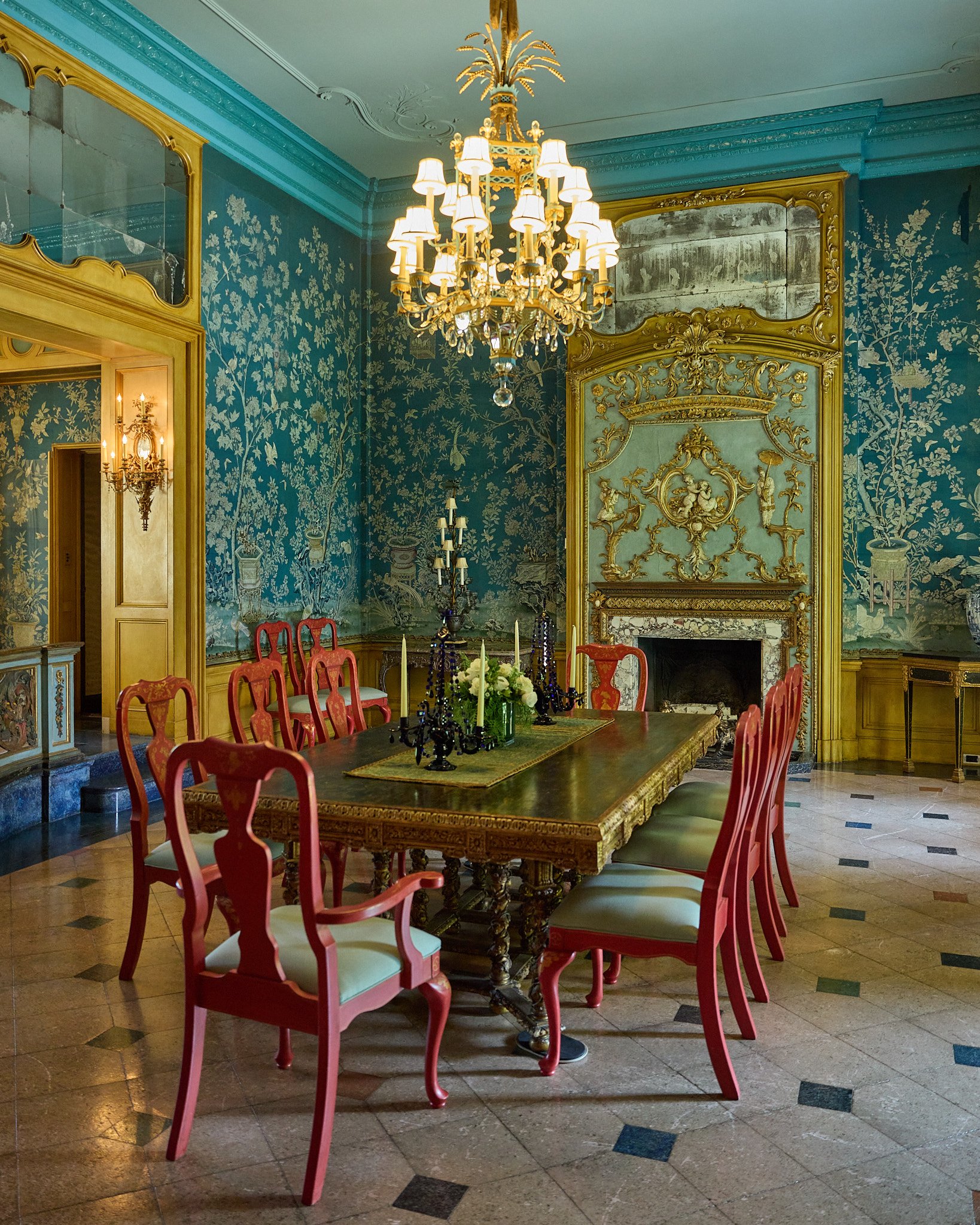
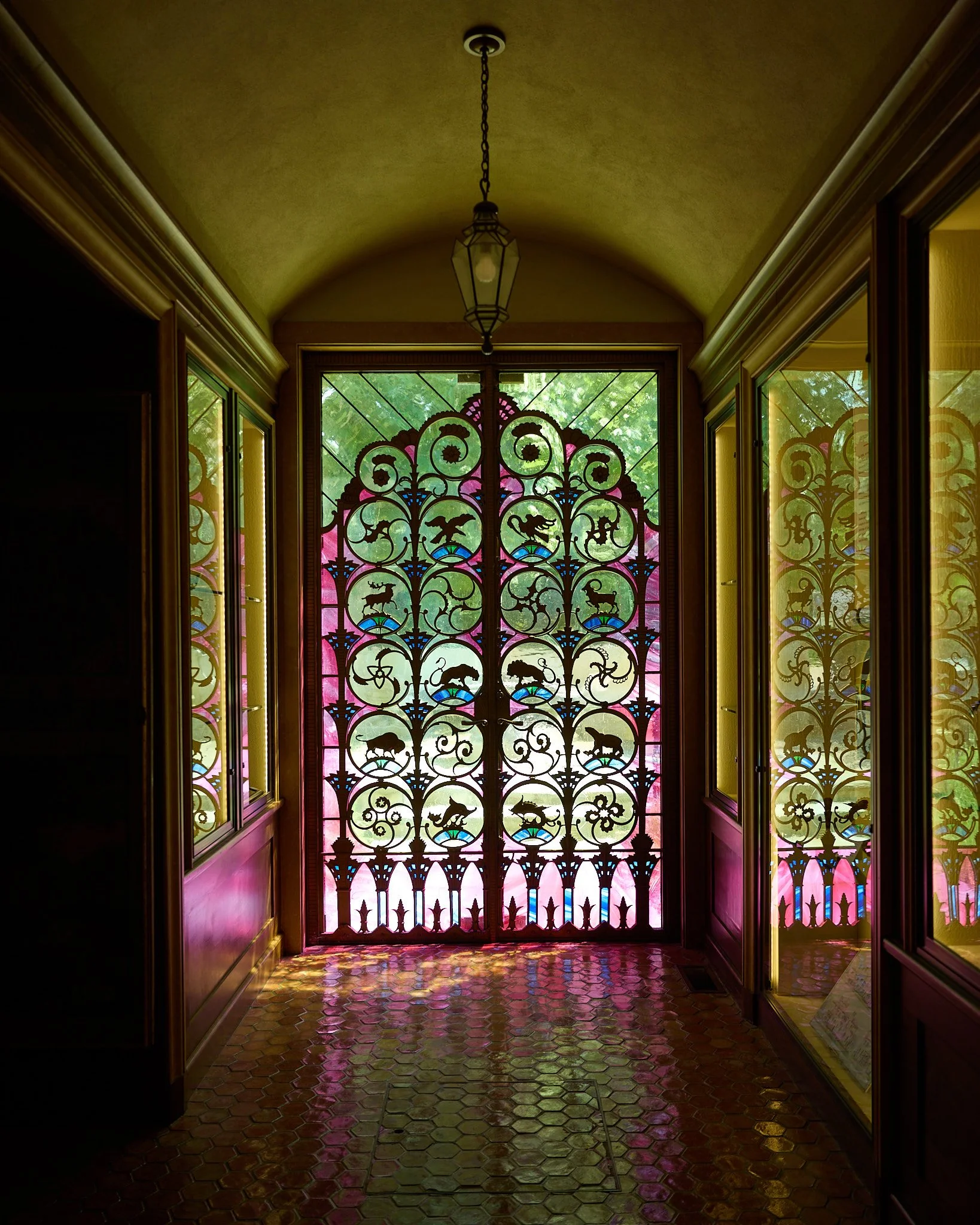
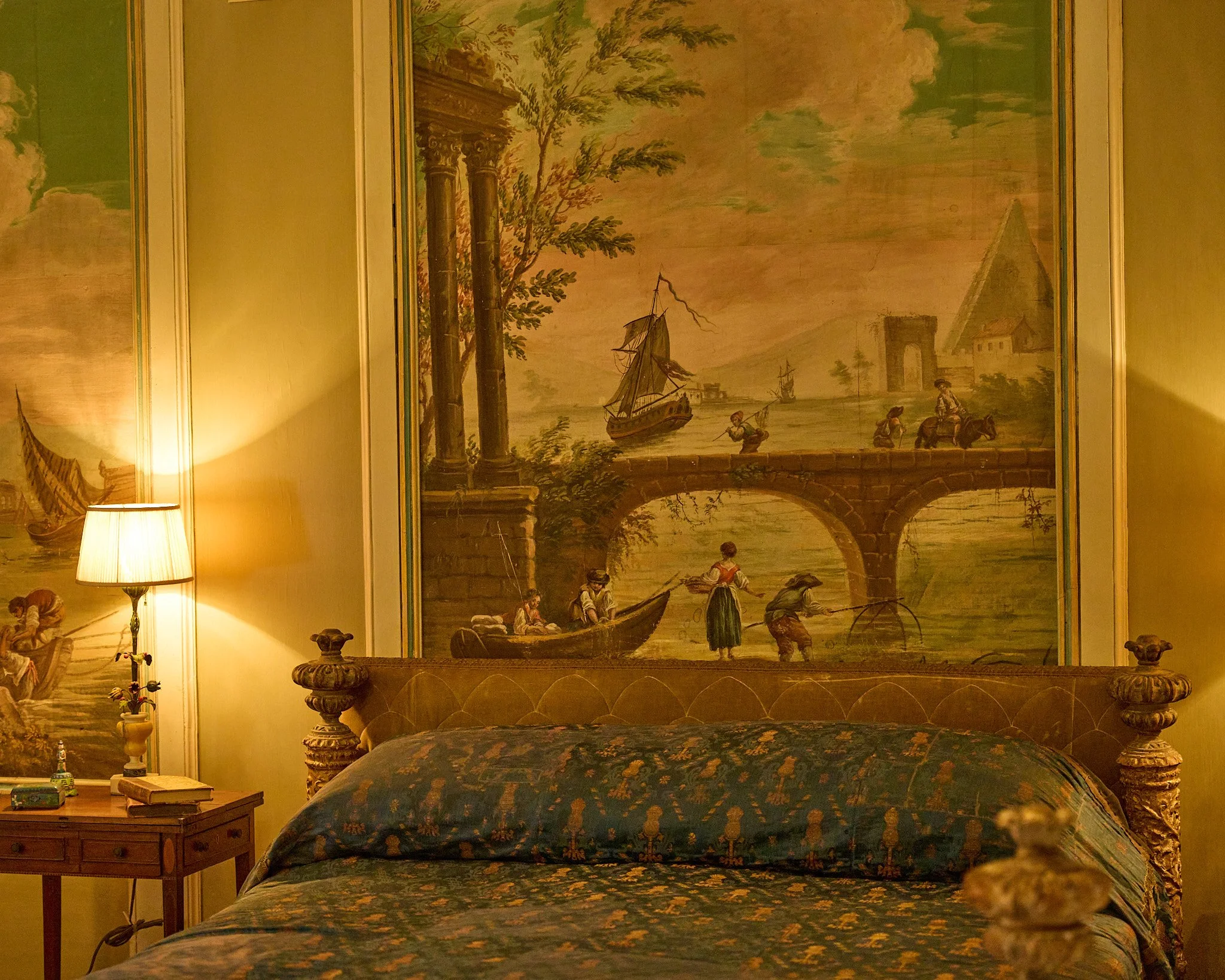
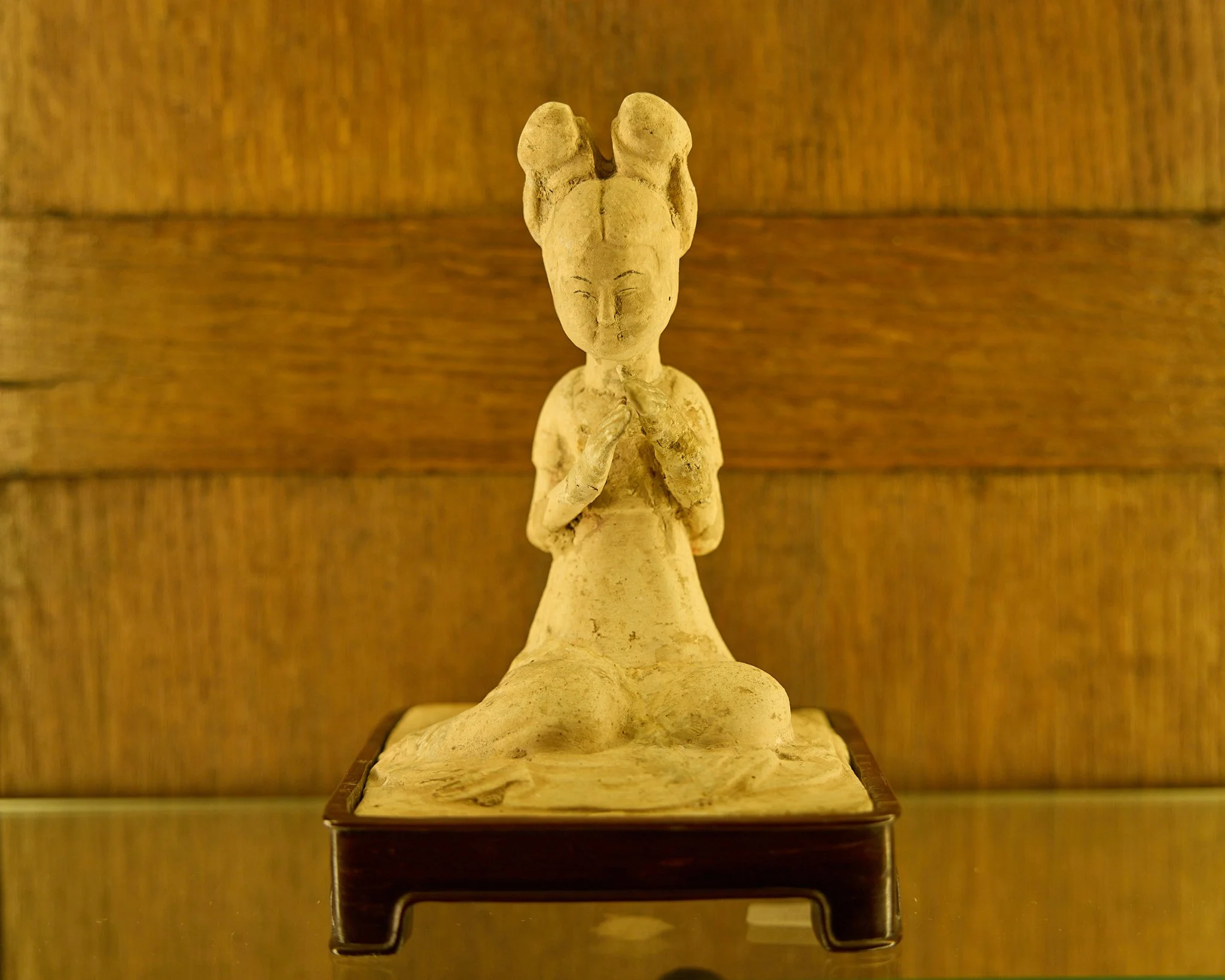
Rather than restoring every room to a single historical moment, Caramoor preserves the house as a reflection of the Rosens' lives together. French architectural elements mingle with Italian carved ceilings, Venetian furniture, Renaissance paintings, Chinese wallpaper, carved jade, intricate textiles, and decorative objects gathered over decades of travel and collecting. The combinations aren't always symmetrical or expected, but that's precisely what makes the house feel so personal.
Every year, the Rosen House builds a focus tour around a different piece of its collection, and this year's happens to be one I was really excited about: Inside Lucie's Wardrobe, on view through September 5th. It's the first time in more than 30 years that her fashion has been on display here. It's one thing to hear about Lucie’s life. It's another to stand next to a dress she actually wore.
Those stories came to life thanks to Jessa, whose deep knowledge of the Rosens' legacy brought every room to life.
Stories Behind the House
While the Rosen House is remarkable in its own right, it was the stories behind its collections that I kept replaying in my mind after the tour ended.
One of the most memorable involved a portrait that conservators were restoring. Hidden beneath the visible painting was an entirely different portrait that had remained concealed for decades, only coming to light during conservation work. It's the kind of discovery that reminds you that a historic home like this is never fully understood. There are always new stories waiting to emerge.
I also left with a completely different appreciation for Lucie. Before visiting Caramoor, I knew little about her beyond her role as one of its founders. By the end of the afternoon, she had become one of the people I found most fascinating.
She was a musician, performer, collector, and innovator who helped introduce audiences around the world to the theremin, an instrument that was as ahead of its time as she was. But what struck me even more was how far her interests reached.
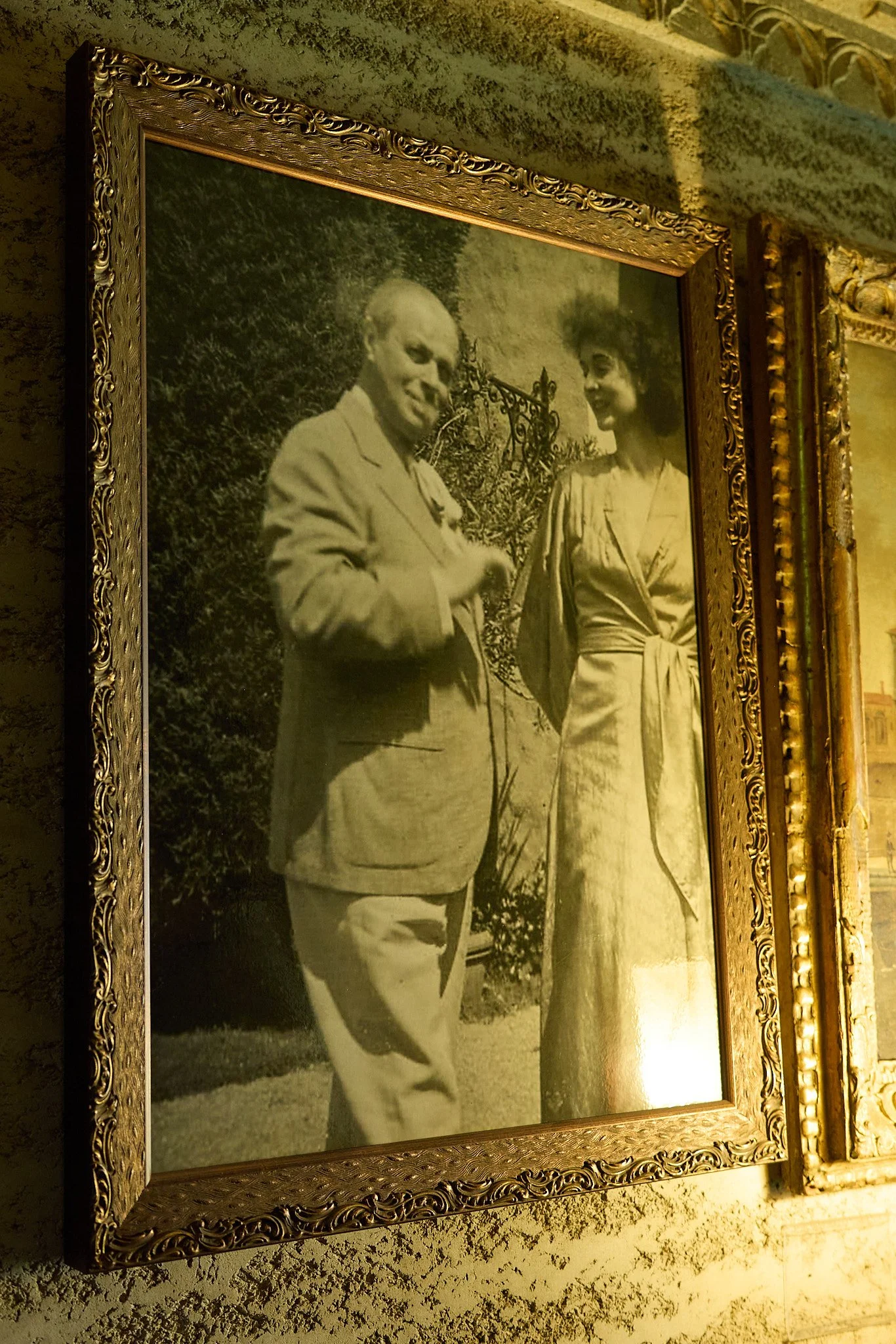
Listening to Jessa describe the Rosen’s, it became clear that Caramoor was constructed from the passions of two people whose lives revolved around curiosity and an unshakable love of music, art, and beauty. Understanding their story changed the way I experienced the rest of my day at Caramoor.
The Grounds
The Sunken Garden, where Caramoor hosts yoga sessions and private events throughout the year.
Leaving the Rosen House, I found myself slowing down even more.
As I explored the grounds with Marc Lowenstein, Caramoor's Director of Marketing & Communications, along with Laura LoBello and Christina Jensen, I began to appreciate just how carefully every part of the landscape has been laid out. Marc pointed out details I might have otherwise walked right past, from contemporary sound art tucked quietly among the trees to the mini Wine Trail that leads visitors through the woods toward the Sunken Garden.
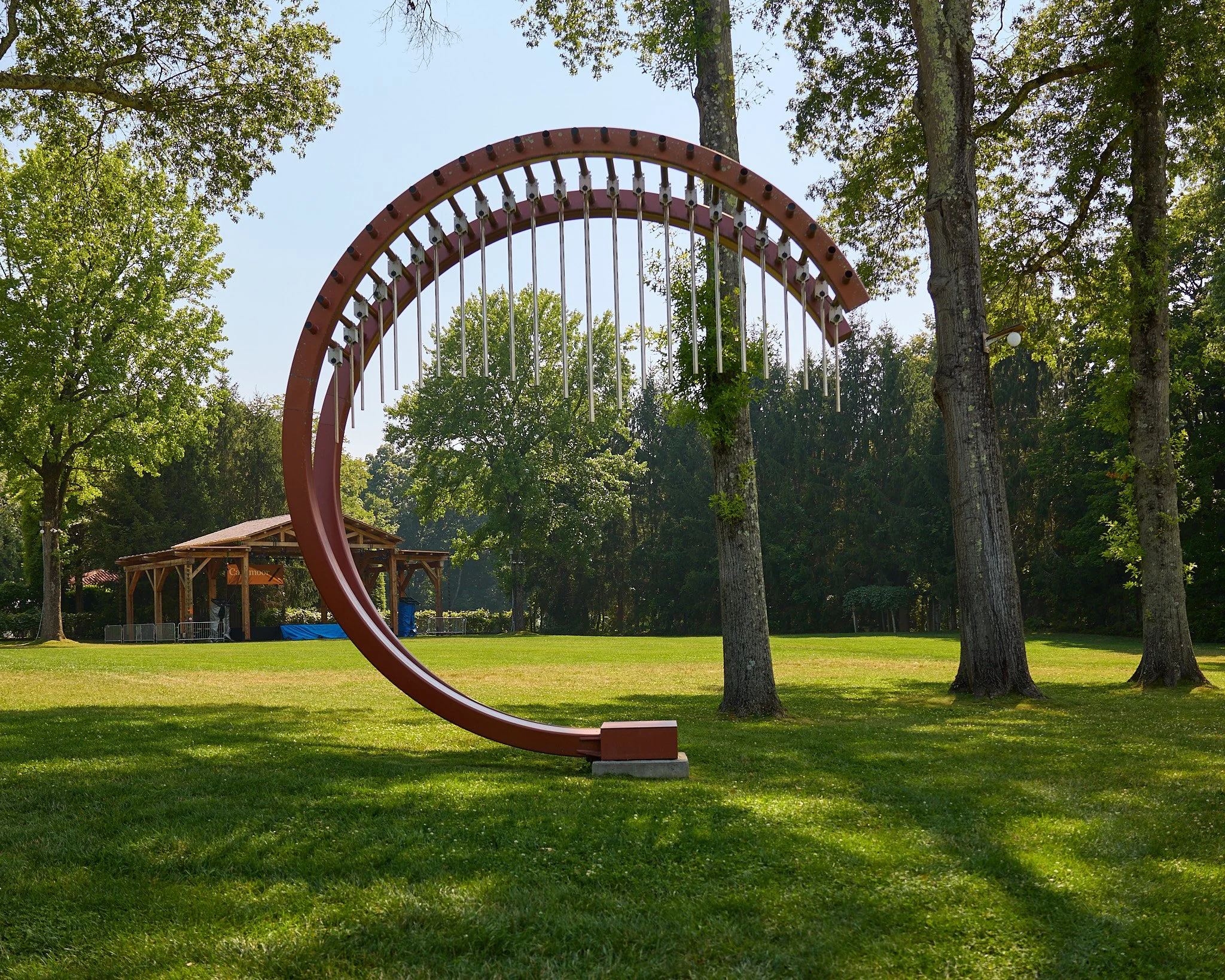
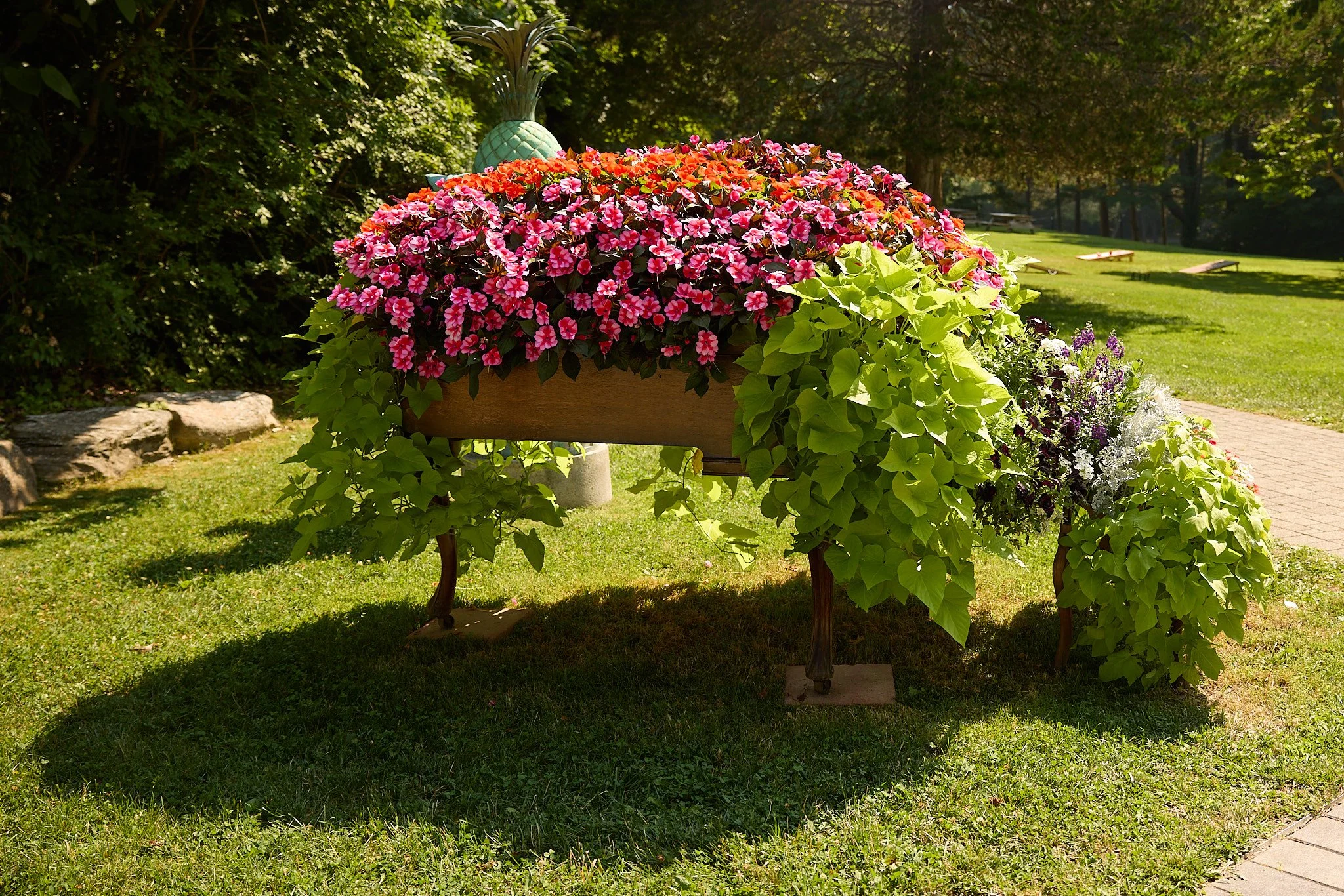
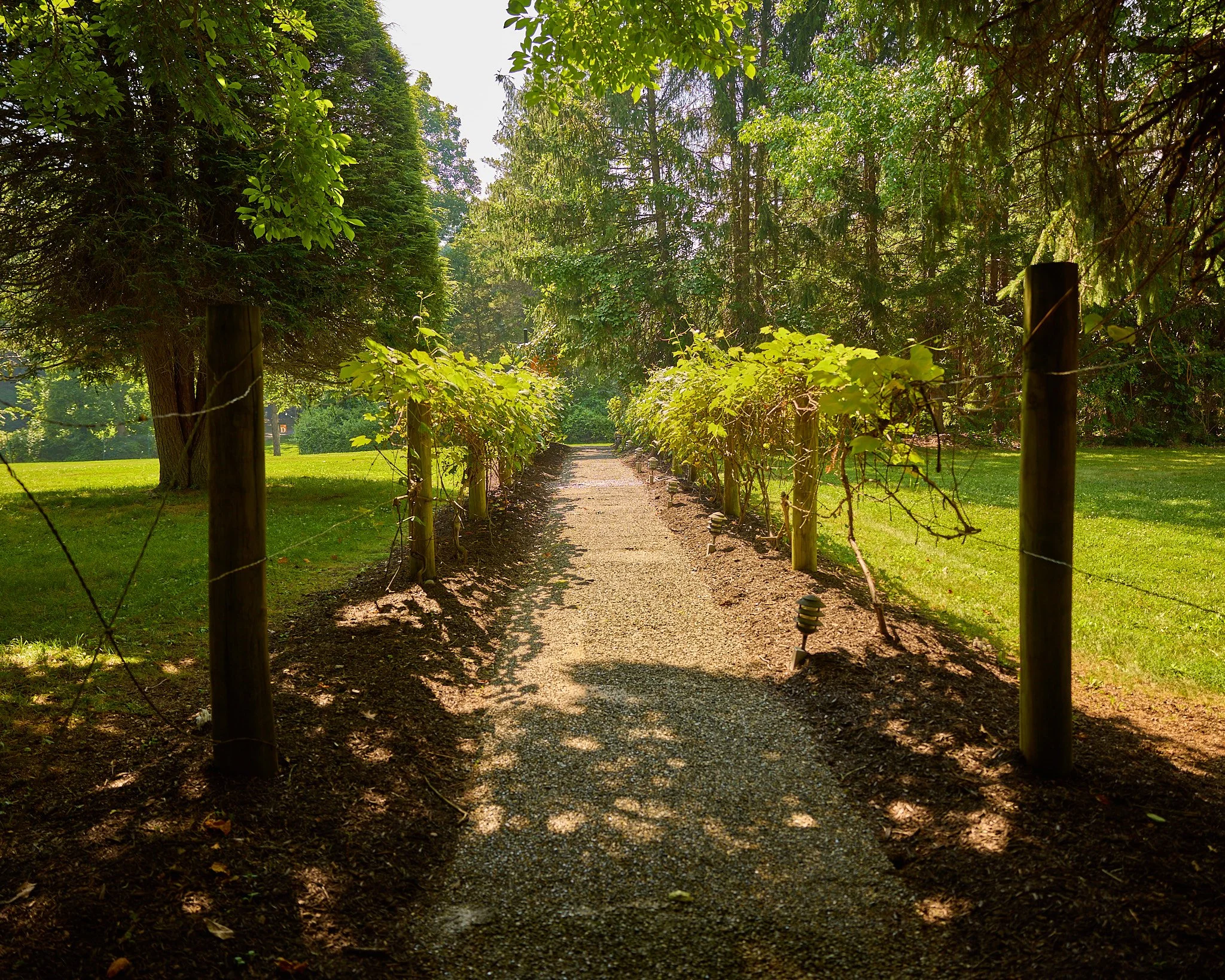
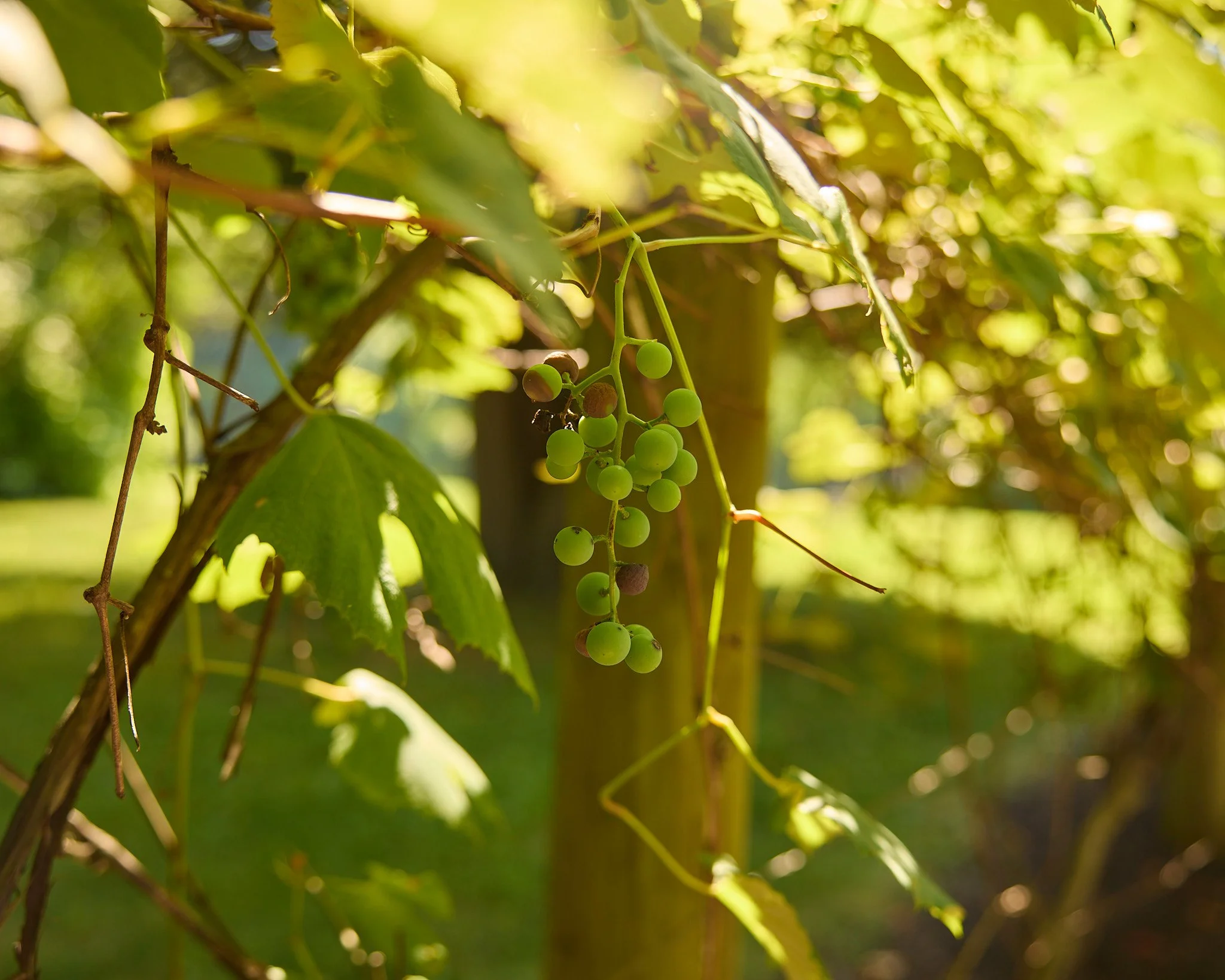
What I loved most was that there never seemed to be a right way to experience the estate. Seasonal flowers added bursts of color around every turn, and every path invited me to stay awhile rather than rush to the next destination. It rewarded wandering more than planning.
After exploring the gardens, I made my way back to one of the hammocks beneath the trees. Looking up, I listened to the birds overhead, leaves rustling softly in the breeze, and the faint sounds of the evening's opera rehearsal, which drifted across the grounds from the Venetian Theater. It was one of those rare moments when music, nature, and art weren't separate experiences; they just existed together.
Caramoor is a place that reminds you how rewarding it can be to slow down, pay attention, and be present.
Picnic Before the Performance
One of my favorite parts of the day turned out to be one of the simplest.
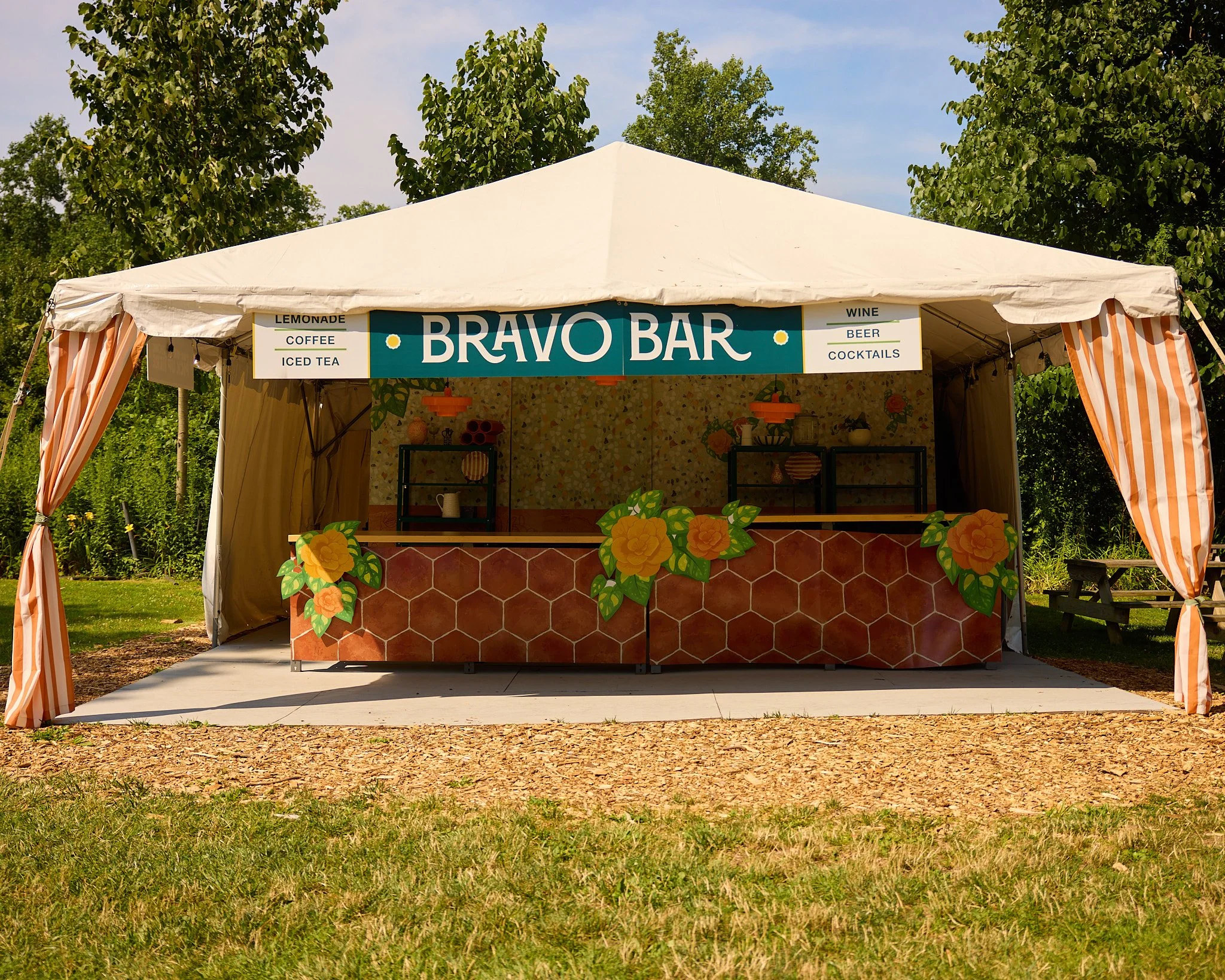
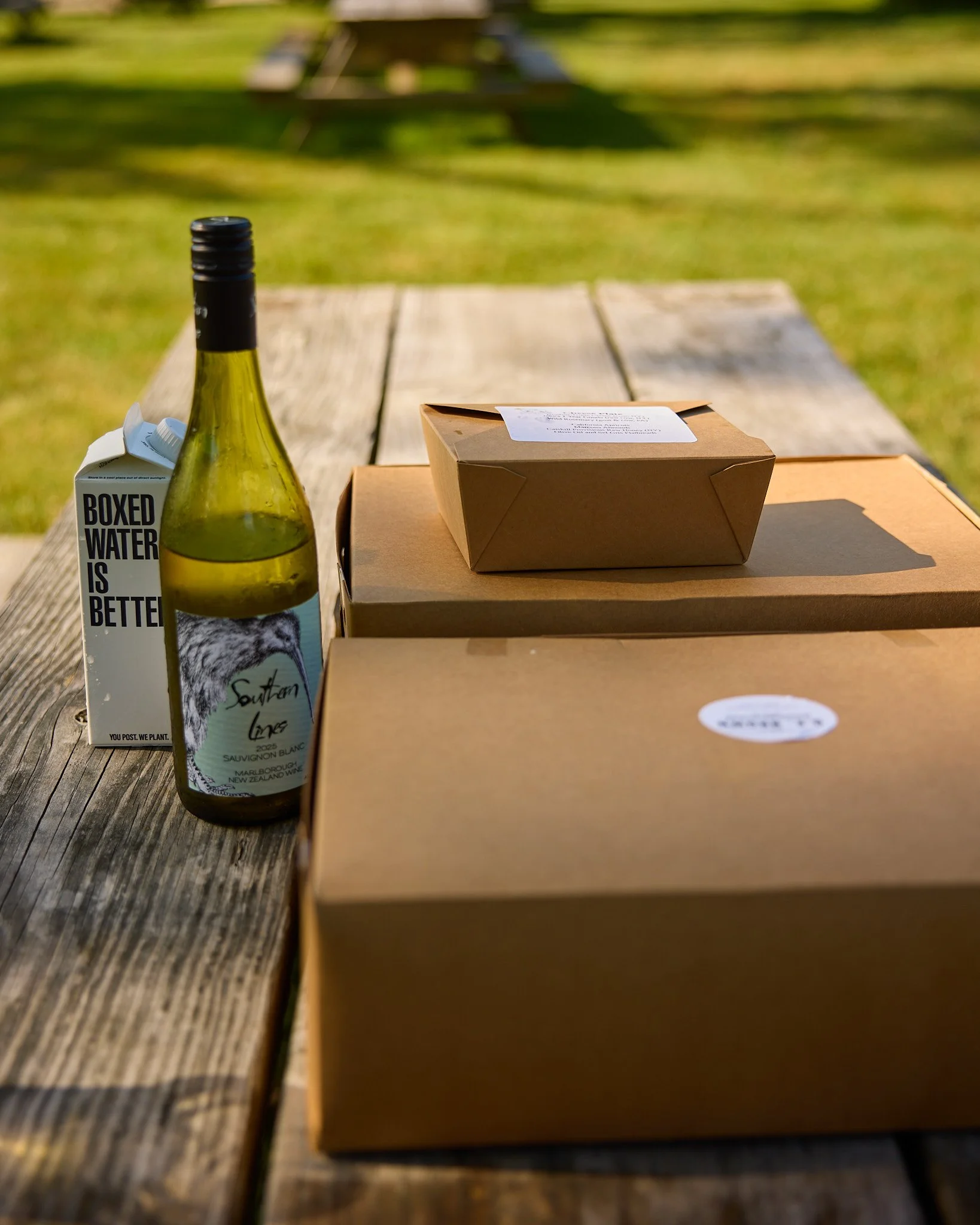


Before the evening performance, I picked up a pre-ordered picnic and found a shady spot beneath the trees at one of the picnic tables. Around me, groups uncorked bottles of wine, families shared meals, and strangers struck up conversations while waiting for the performance to begin.
There's something wonderfully old-fashioned about the ritual. Instead of rushing through dinner before a show, everyone seemed content simply being there, lingering over food and conversation before the music began.
It reminded me that Caramoor isn't just about what happens on stage. Some of its most memorable moments happen in between.
An Evening at the Venetian Theater
As the evening settled over the estate, everyone made their way toward the Venetian Theater.
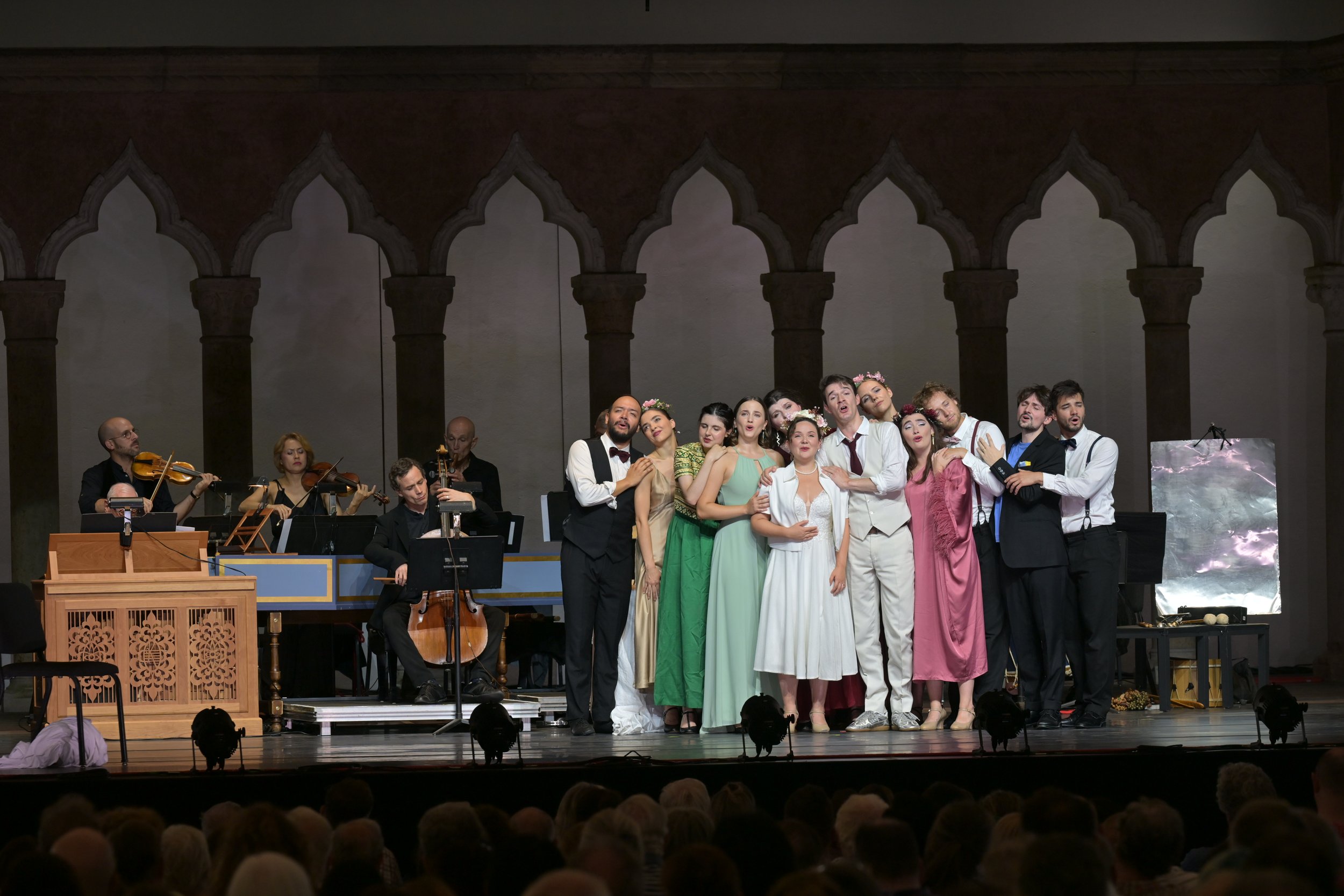
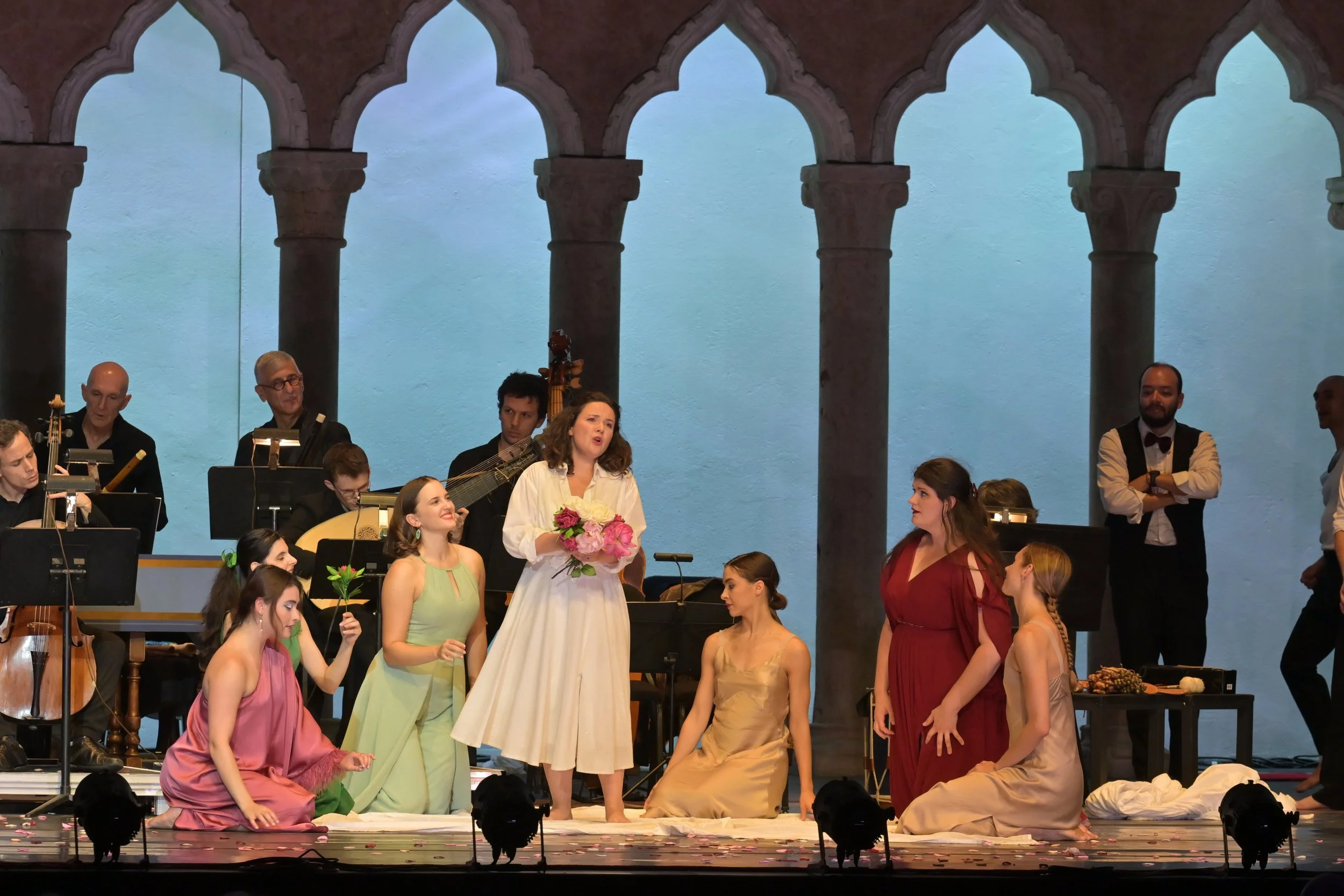


Photos by Gabe Palacio, courtesy of Caramoor
That night's program was a double bill of two short Charpentier operas, performed by the ensemble Les Arts Florissants under its founder, William Christie, including the piece that gave the ensemble its name.
Watching an opera in the open air, surrounded by gardens and historic architecture as daylight faded into evening, was unlike any performance I'd experienced before. The setting transformed the experience. Under the Venetian Theater's tented canopy, the singers' voices carried out toward the trees. Rather than formal or intimidating, it felt surprisingly intimate.
If You Go
With so much happening at Caramoor throughout the year, you might be wondering where to start.
My recommendation? Start with the calendar. The performances, tours, gardens, and seasonal events are all so different that what catches your eye may determine not only when you visit, but even which season you choose.
If it's your first visit, I'd recommend making a day of it. Begin with a tour of the Rosen House to understand the story behind the estate, then leave plenty of time to roam the grounds, discover the sound art, relax in a hammock, or simply follow whichever path looks most inviting. If you're attending an evening performance, pre-order a picnic and arrive early enough to enjoy it before the music begins.
And if you're simply looking for a quiet escape, you don't need a ticket to enjoy Caramoor. The grounds are open to the public free of charge (10 a.m. to 4 p.m. daily), making it just as worthwhile for an afternoon walk as it is for a full day of music and art.
A Place I'll Return To
As I made my way home, I realized the moments I kept replaying weren't necessarily the biggest ones.
It was lying in a hammock listening to birds and the faint sounds of the opera rehearsal drifting through the trees. It was the discovery of another unexpected object inside the Rosen House. It was taking my time over a picnic and striking up conversation with a new friend.
Caramoor reminded me that some places are meant to be experienced, not completed.
You could spend an afternoon here with no agenda at all, come back another time for a concert, and return months later to find different gardens in bloom or an entirely new performance on the calendar. Every visit would look a little different.
I think that's what stayed with me most. Not that I had managed to see everything, I hadn't, but that I never felt like I needed to.
Those are the places I remember most after I've left, and the ones I find myself wanting to return to.
Frequently Asked Questions
-
Caramoor is located in Katonah, New York, about an hour north of Manhattan. You can drive or take the Metro-North Railroad from Grand Central Terminal to Katonah Station, where a seasonal shuttle is available for many performances and events.
-
No. Admission to the grounds is free during public hours, so you can enjoy the gardens, walking paths, and peaceful setting without purchasing a ticket. Some experiences, such as concerts, Rosen House tours, afternoon tea, and select special events, do require advance tickets or reservations, so it's worth checking the schedule before you visit.
-
I recommend setting aside at least half a day to experience Caramoor, though it's easy to fill an entire day. Between touring the Rosen House, exploring the gardens and grounds, enjoying a leisurely picnic, and staying for an evening performance, the hours seem to pass effortlessly.
If you're planning a weekend in Katonah, even better. Splitting your visit over a couple of days gives you the chance to experience more of Caramoor's seasonal programming while also exploring the charming village, local shops, restaurants, and nearby hiking trails.
-
Every season offers something different, but late spring through early fall is especially beautiful when the gardens are in bloom, and many performances take place outdoors. Summer evenings in the Venetian Theater are particularly memorable.
-
Yes. Many visitors bring their own picnic to enjoy on the grounds before performances. You can also pre-order gourmet picnic baskets through Caramoor during many events, making it easy to enjoy dinner on the lawn before the show.
-
Absolutely. Although Caramoor is best known for its classical music programming, the calendar also includes jazz, folk, Americana, Broadway performers, family events, educational programs, yoga, holiday experiences, and more. Even without attending a performance, the estate itself is worth exploring.
-
Yes. Caramoor strives to provide a welcoming experience for everyone, with accessible parking, entrances, pathways, and seating available throughout much of the estate and at many performances.
-
Yes. Caramoor welcomes visitors of all ages and offers family-friendly programming throughout the year. The spacious grounds provide plenty of room to explore, and seasonal events are designed with families in mind.
-
Only service animals are permitted at Caramoor. Pets are generally not allowed on the grounds or at performances, so be sure to leave your furry friends at home.
-
Comfortable walking shoes are a must, as you'll likely spend time exploring the gardens and grounds. If you're attending an outdoor performance, consider bringing a light sweater for the evening, along with a picnic blanket or chairs if your event allows them. Don't forget your camera—you'll find beautiful photo opportunities throughout the estate.
✧ For the intentionally curious traveler - pass it on.
If Caramoor has you thinking about your next escape from the city, here are a few more worth the trip:
Best Day Trips from NYC for a Weekend Feel in Just One Day
One Amazing Day Trip from NYC: Kingston & Woodstock, Upstate, NY (Dog-Friendly)
3 Unique Day Trips from NYC That Will Inspire You
One Perfect Day in Hudson: A Dog-Friendly Haven in Upstate New York

Karen Gomez
I'm a NYC-based travel writer, photographer, and the founder of Passport in Photos — for those who want to feel somewhere, not just see it.