
A Sustainable Coffee Farm in the Galápagos? Inside Petrels Farm on San Cristóbal Island
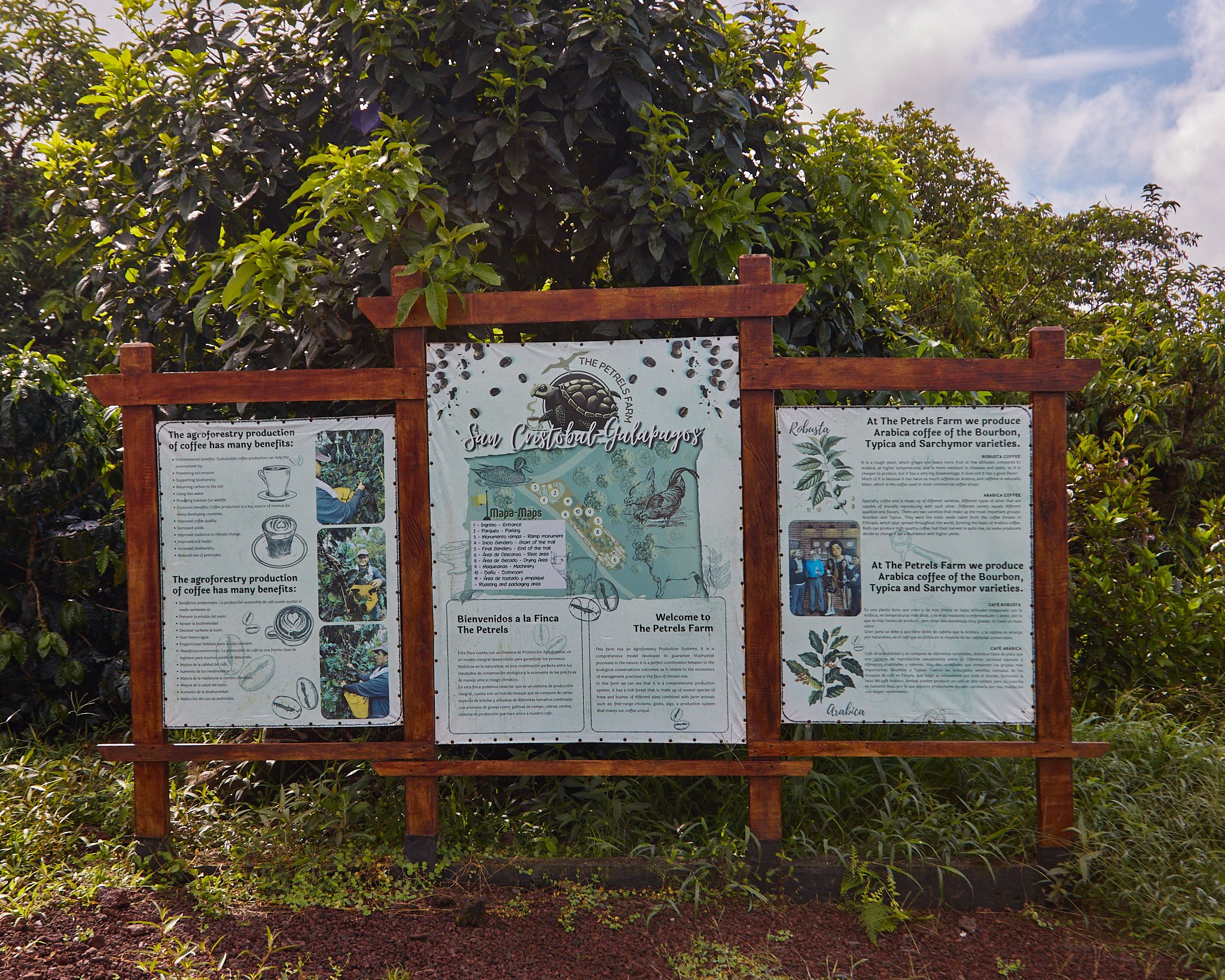
The Petrels Farm entrance on San Cristóbal Island in the Galápagos
When most travelers think of the Galápagos Islands in Ecuador, coffee isn’t usually the first thing that comes to mind. But during my recent trip to San Cristóbal Island, I discovered something truly special: The Petrels Farm, a family-owned sustainable coffee farm producing some of the highest-quality coffee in the world.
During my visit to San Cristóbal, my dad and I spent a morning at the farm learning how coffee is grown, processed, and roasted right on the island. What makes the experience so special is that you don’t just hear about the process; you actually participate in and see every step unfold.
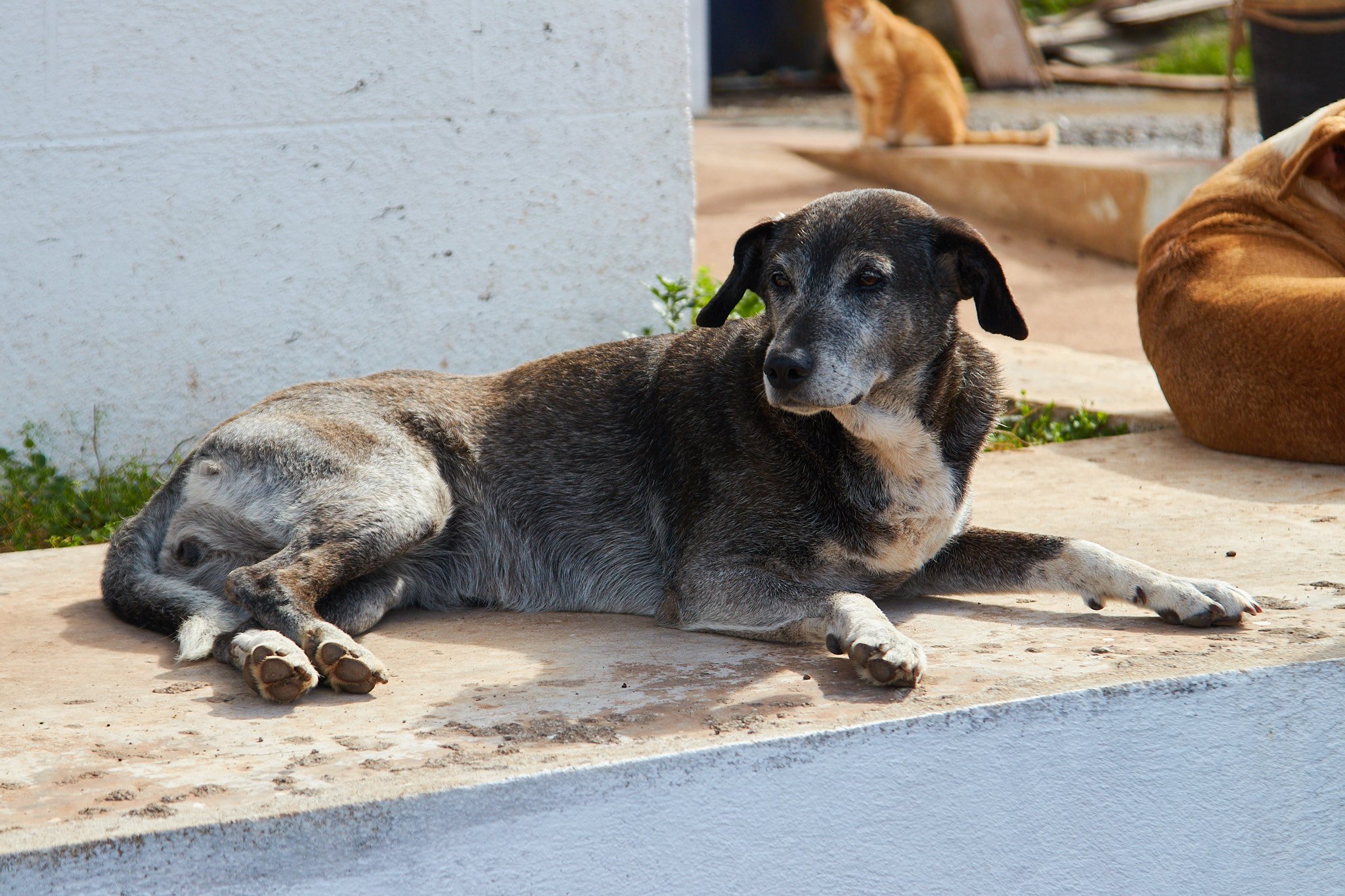
By the end of the tour, you understand just how much love and care go into a single cup. And chances are you’ll fall for their animals too.
The Petrels Farm
Km 7.8 vía a la Laguna del Junco
San Cristóbal, Galápagos – Ecuador
@galapagosthepetrelsfarm
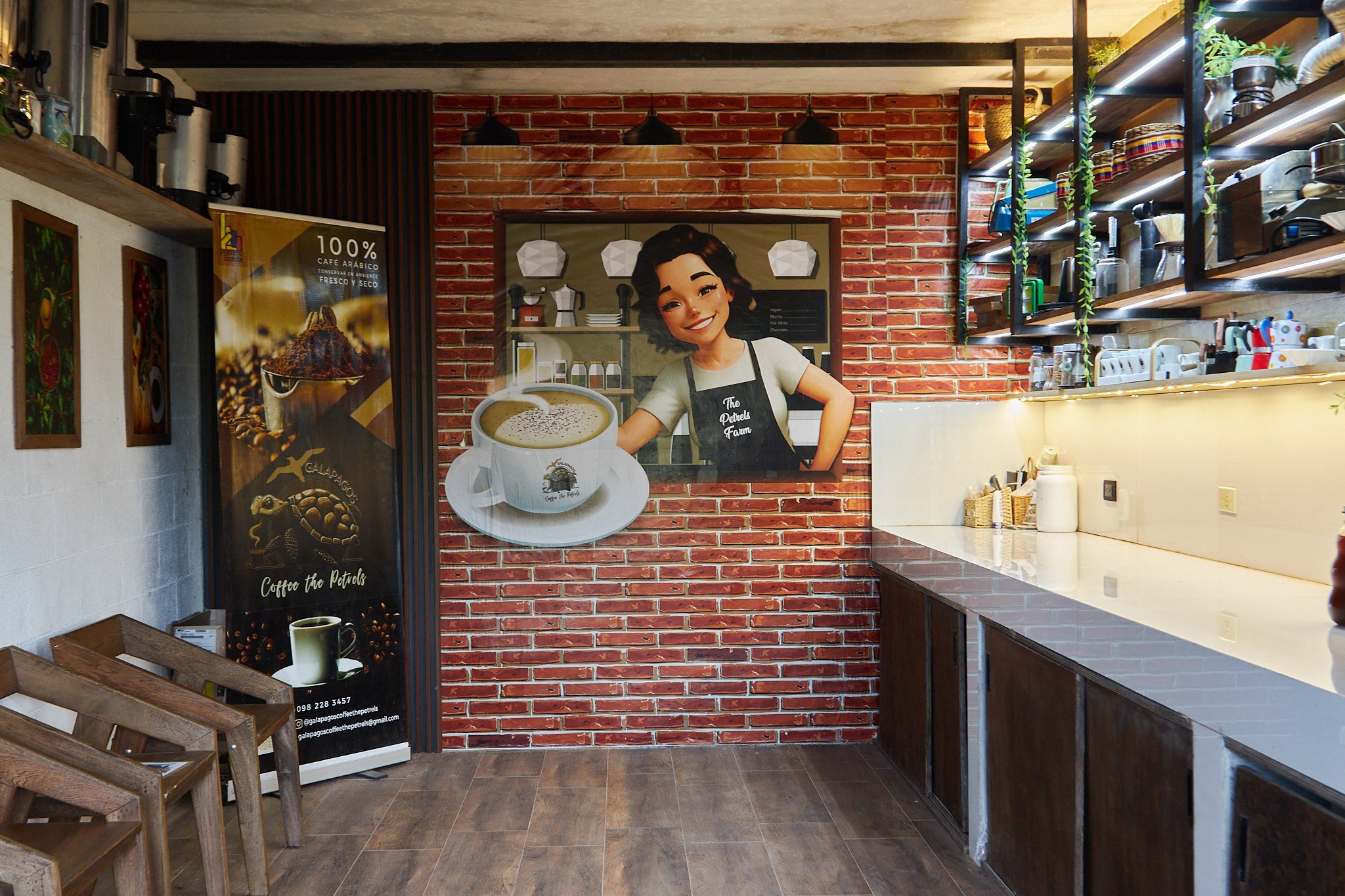

A Sustainable Coffee Oasis in the Galápagos Highlands
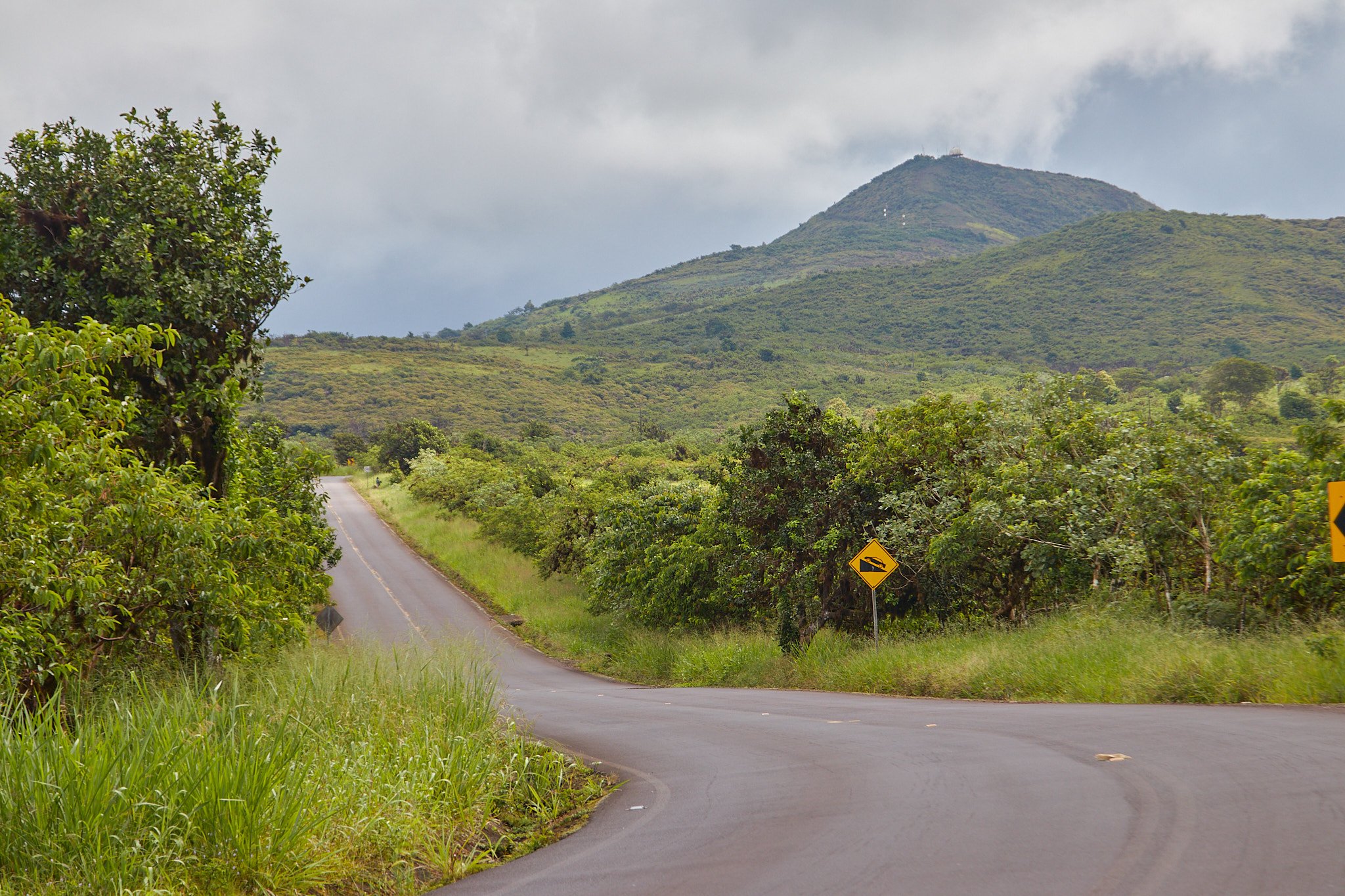
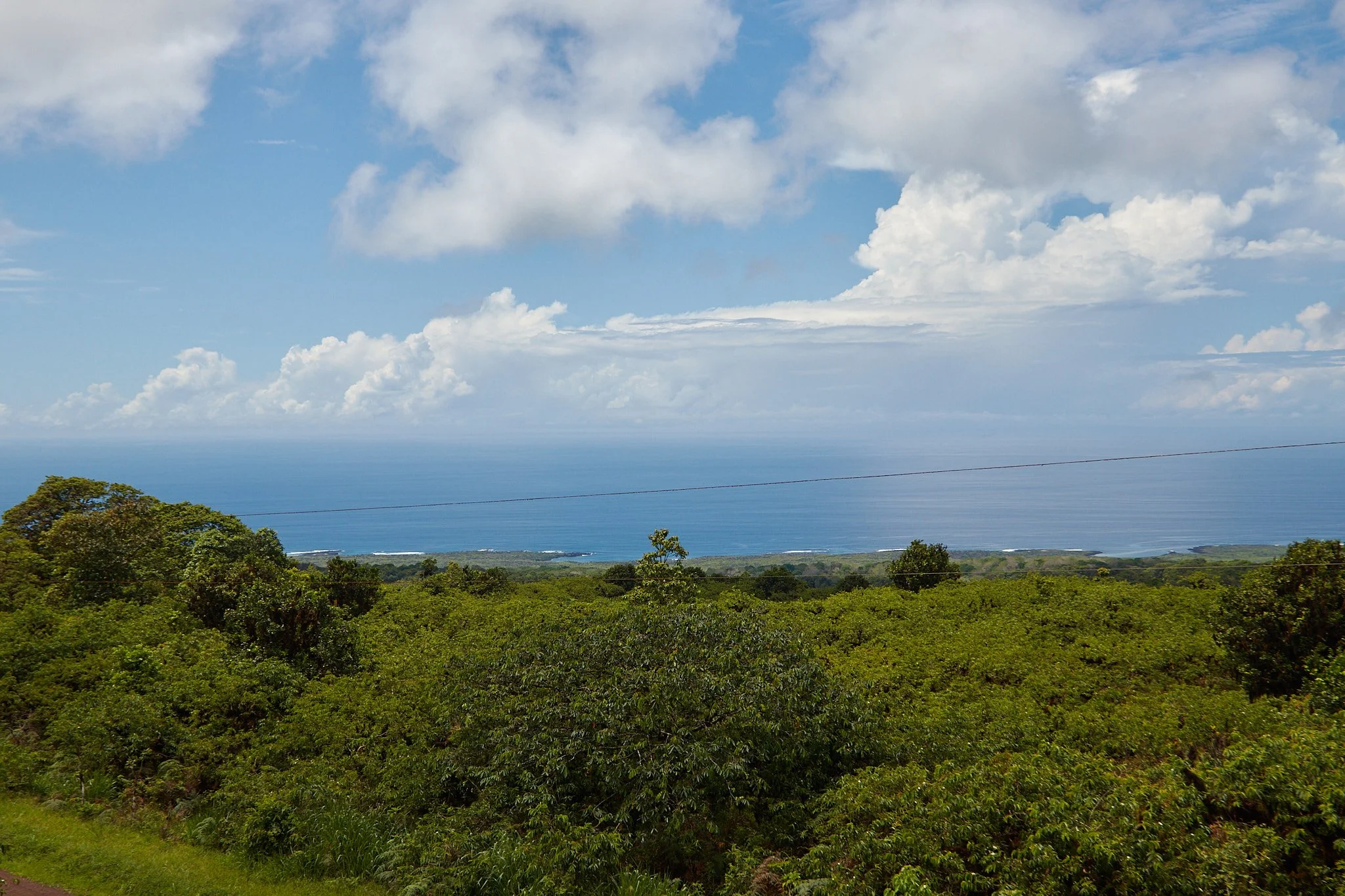
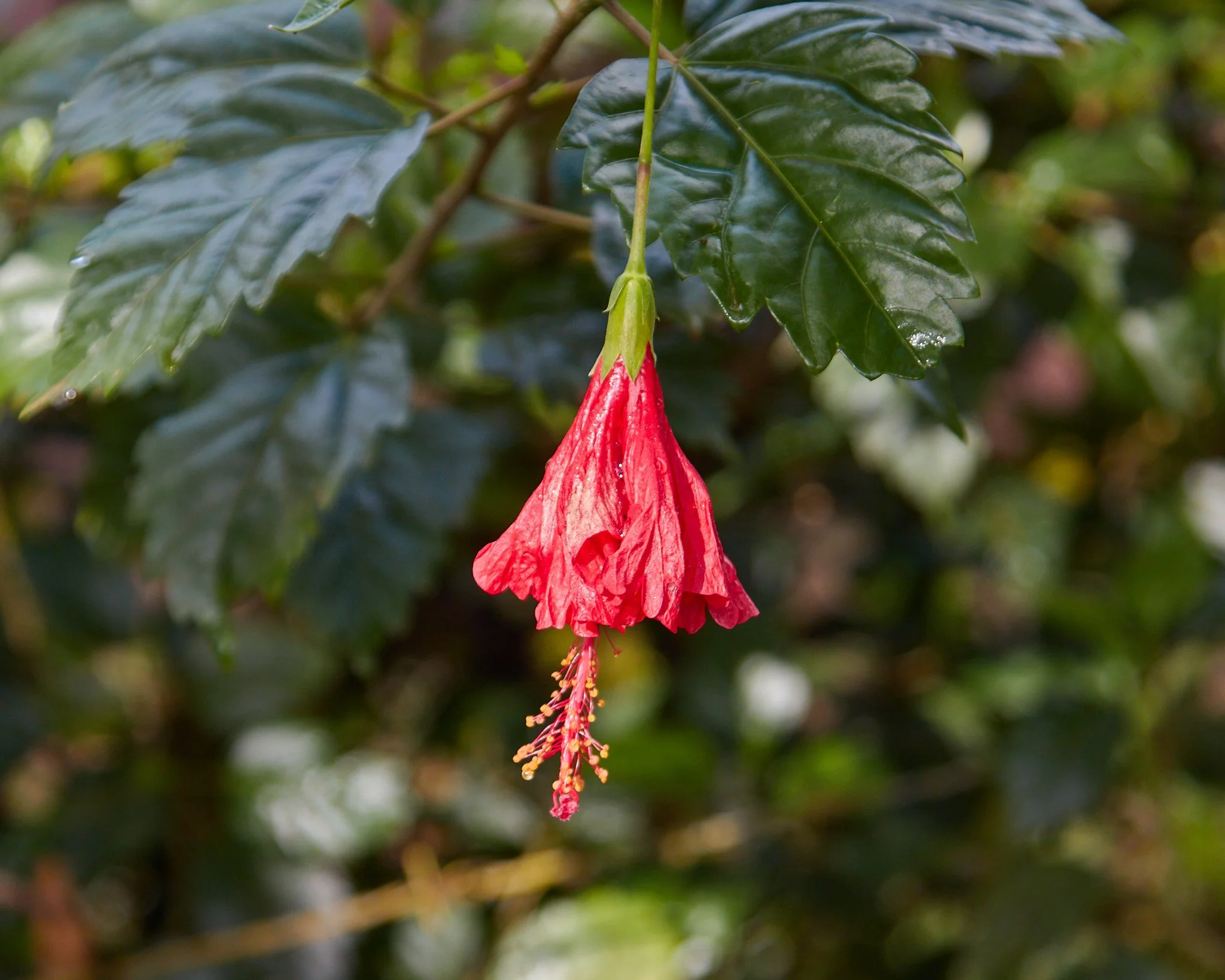
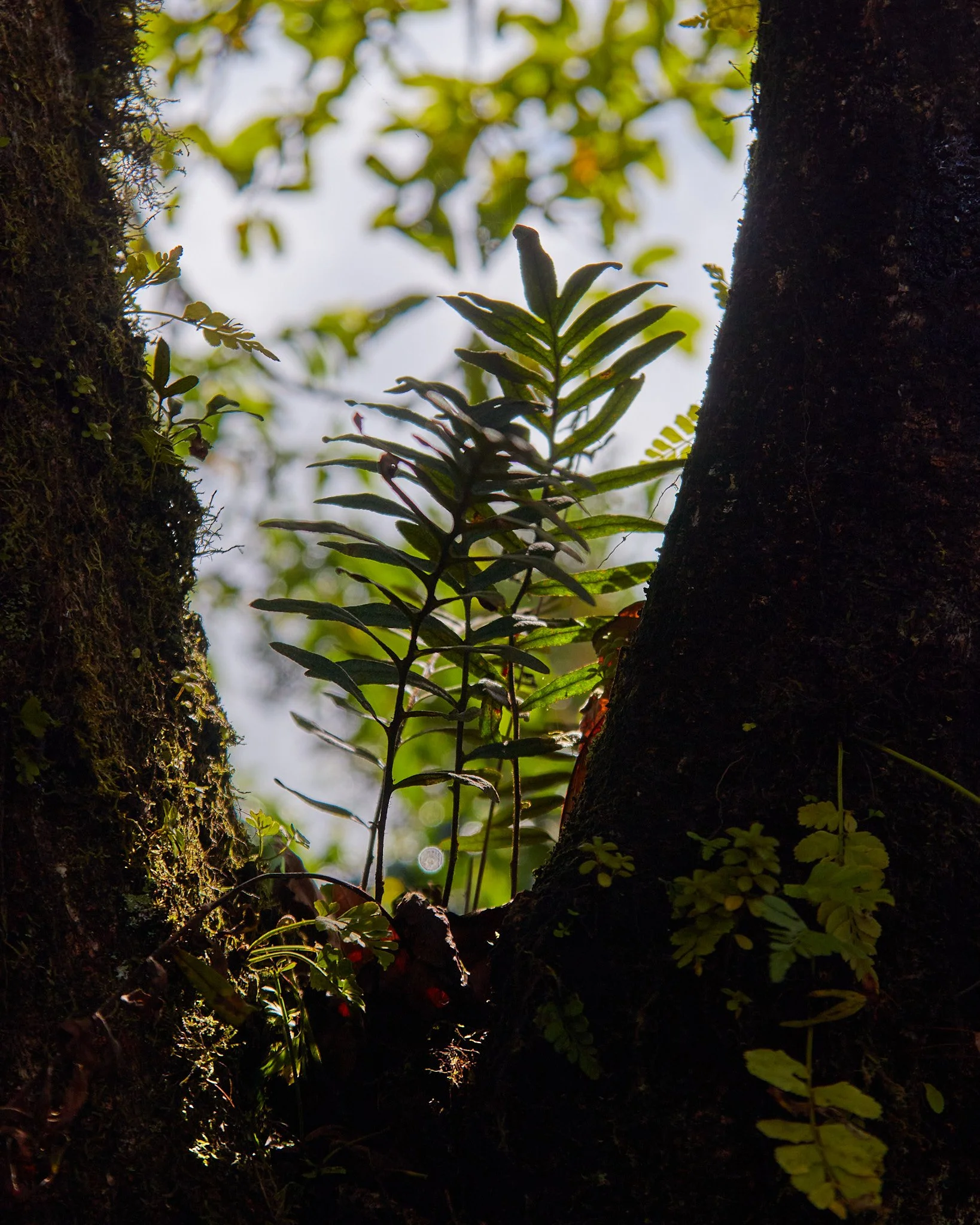
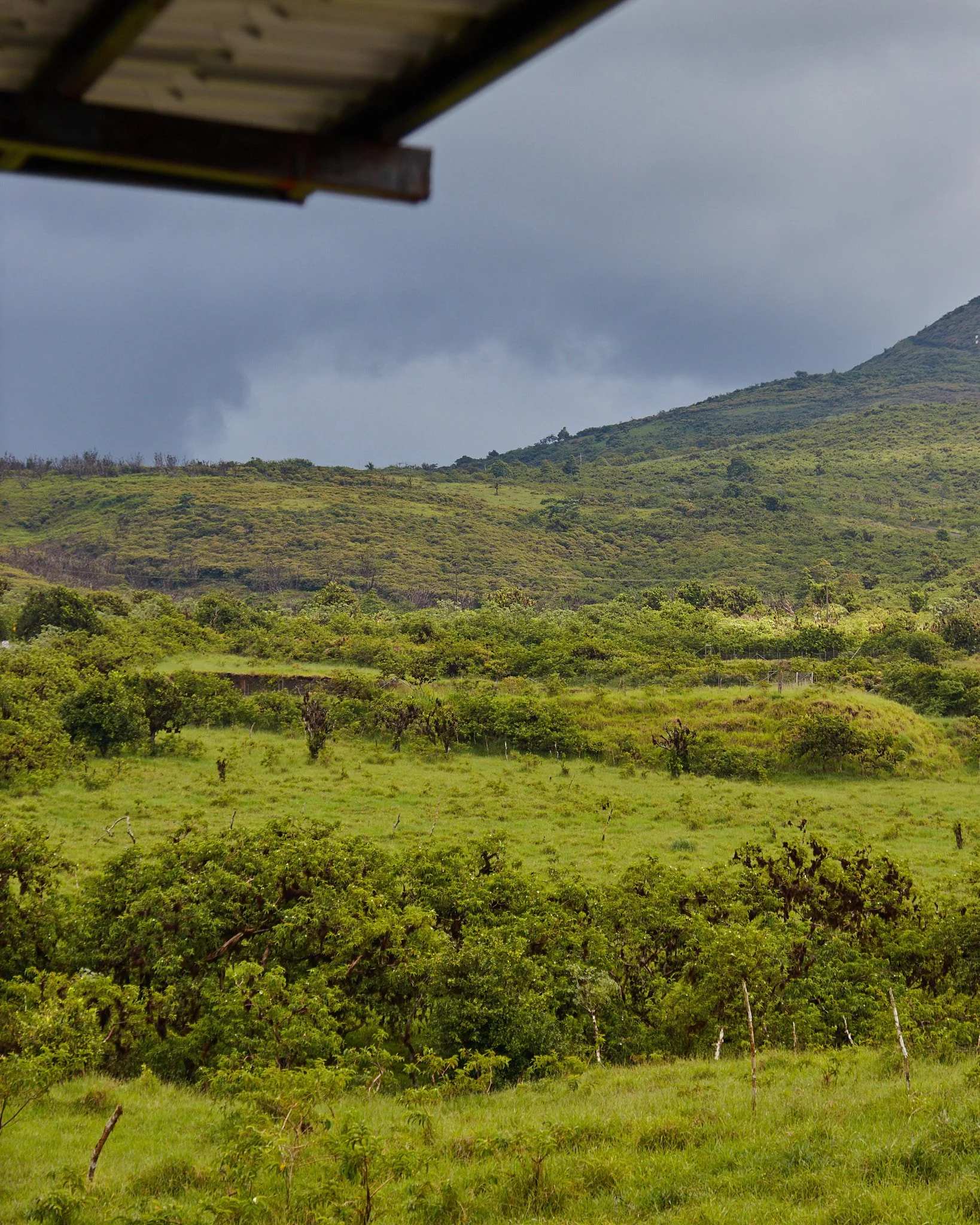
Located just a short drive from Puerto Baquerizo Moreno, Petrels Farm sits in the lush highlands of San Cristóbal Island. The landscape feels completely different from the dry volcanic terrain most travelers associate with the islands. Coffee plants grow here alongside tropical vegetation in a sustainable agroforestry system, creating a small ecosystem that supports both agriculture and biodiversity.
What makes the visit especially memorable is that the tour is guided by the people who actually run the farm. Their passion for coffee is visible, and you can tell immediately that they genuinely love what they do.
The result is a tour that feels authentic, personal, welcoming, and something visitors of all ages can enjoy.
From Coffee Cherry to Cup: The Full Process at Petrels Farm
Walking through the farm, we followed the journey of coffee from the tree all the way to the final cup.
1. Harvesting the Coffee Cherries
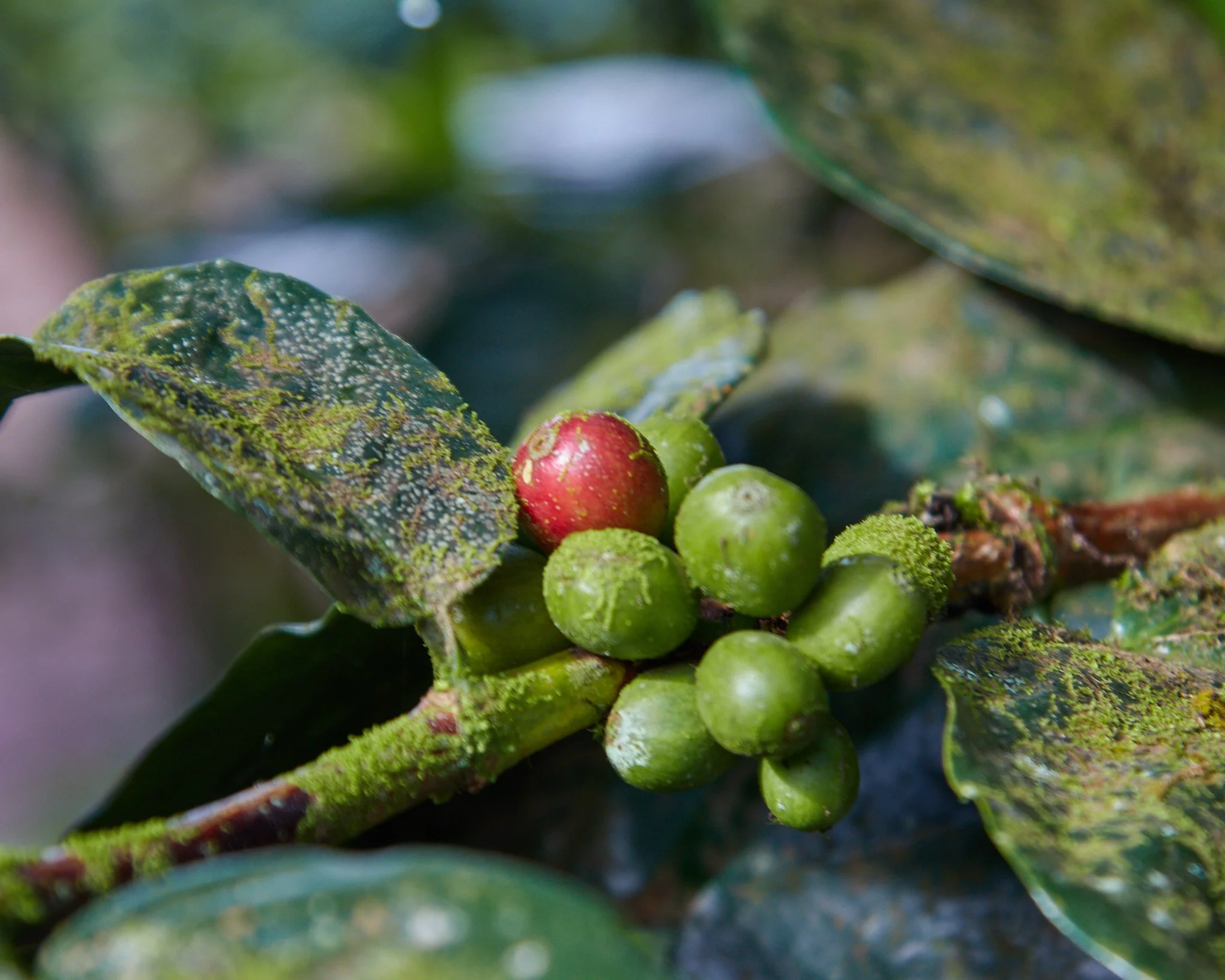
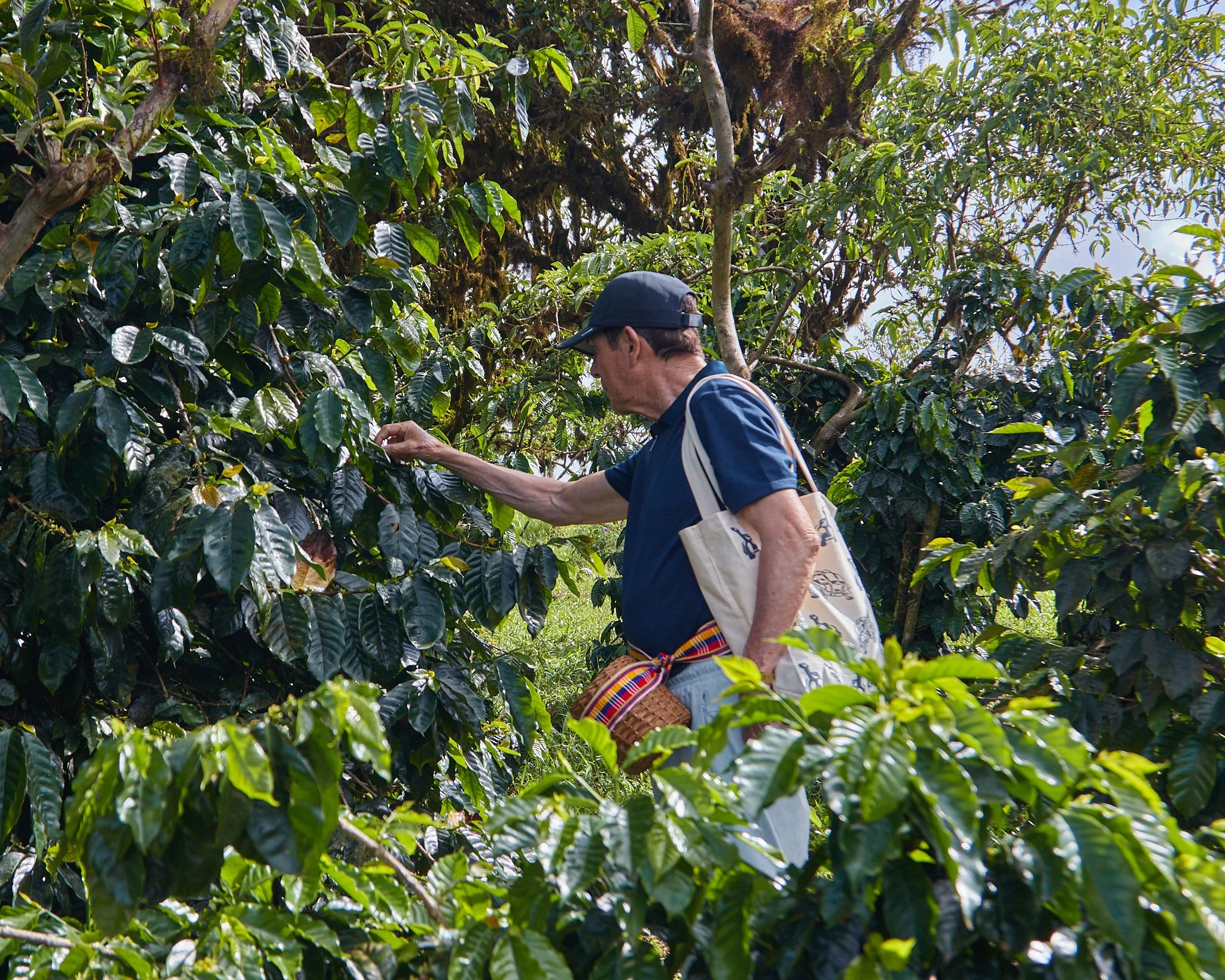
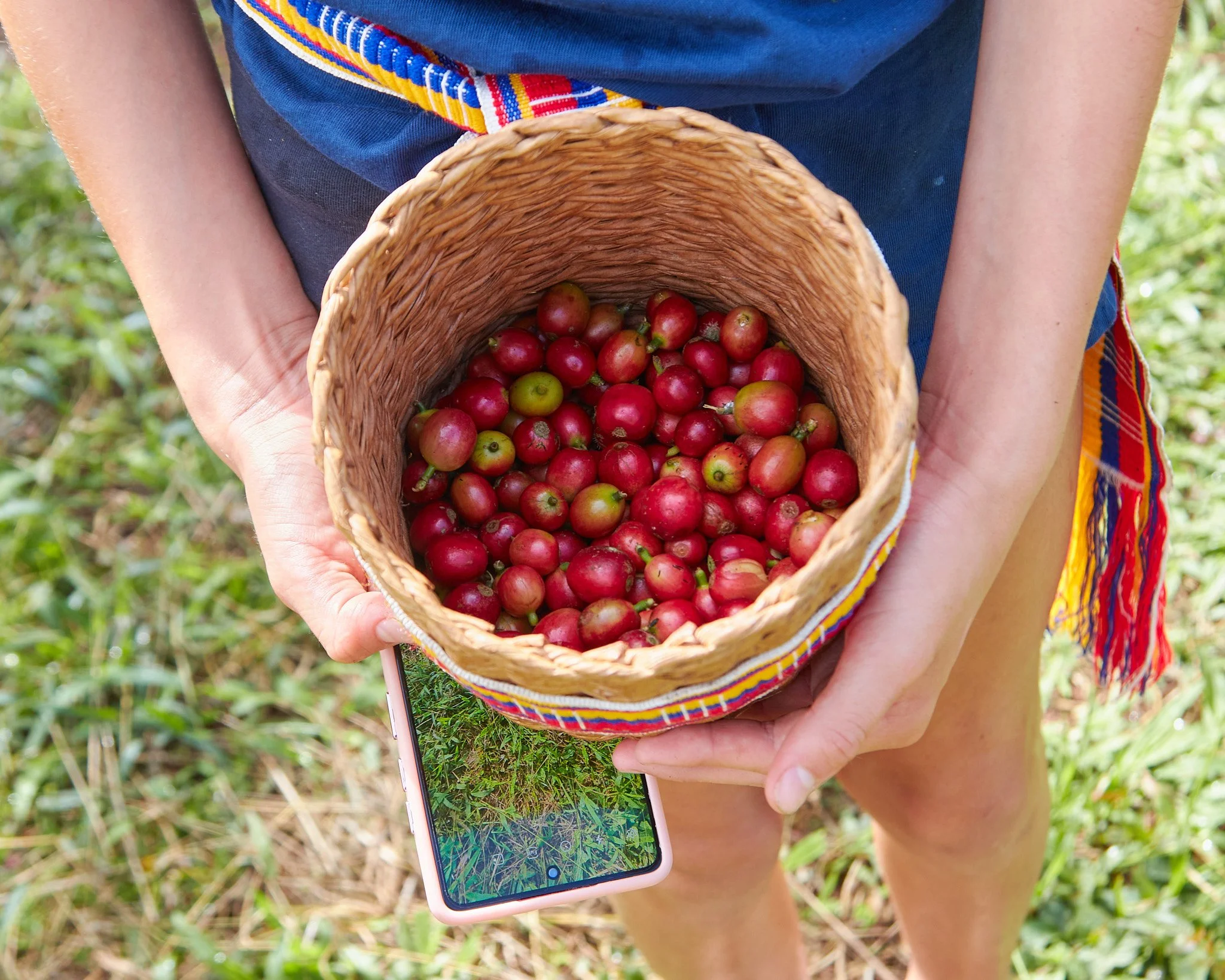
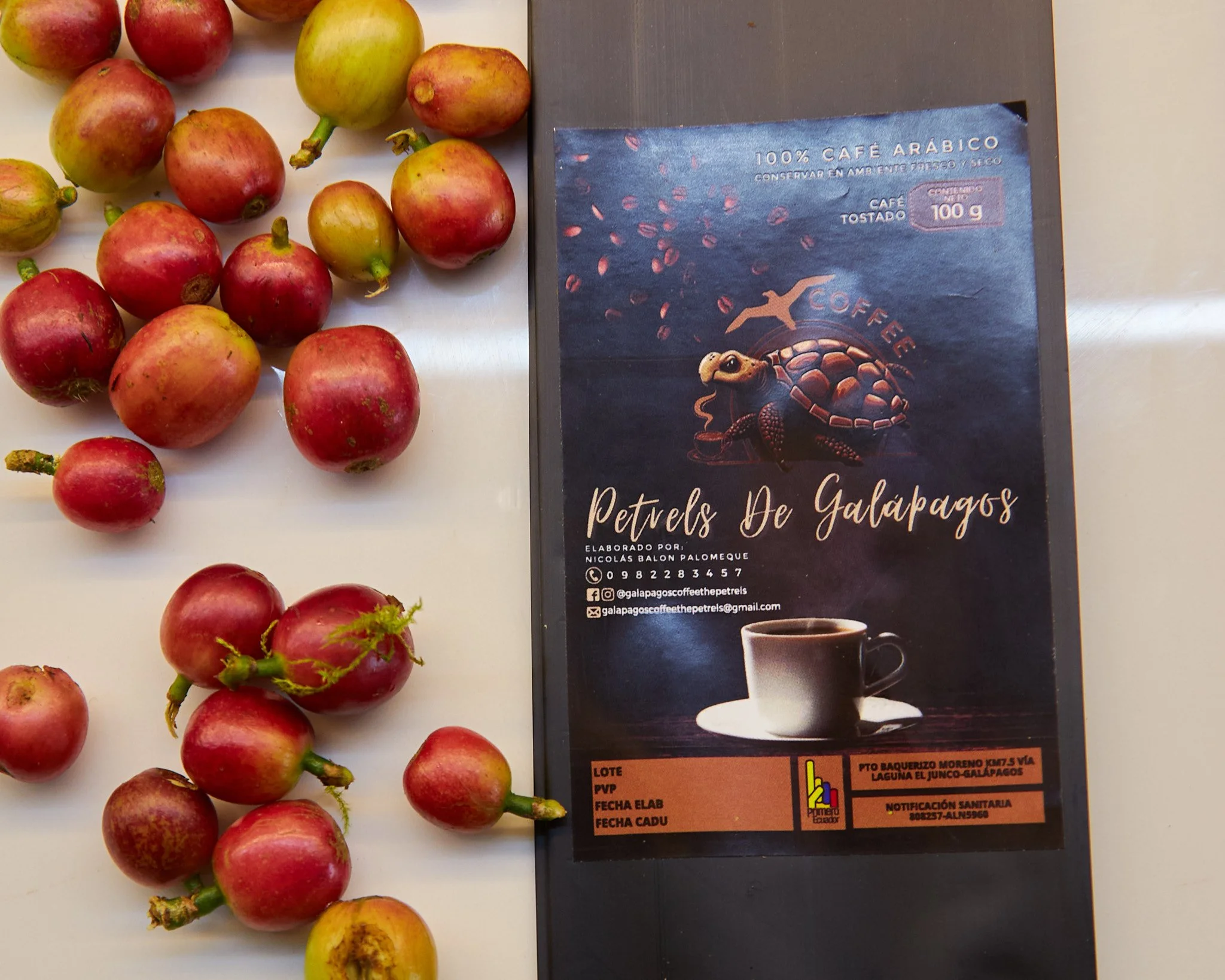
The tour begins with the bright red coffee cherries, carefully hand-picked to ensure only the ripest fruit is selected. Seeing the cherries up close is a reminder that coffee begins as something entirely natural, just a small fruit growing quietly on a branch.
2. Separating and drying the Beans
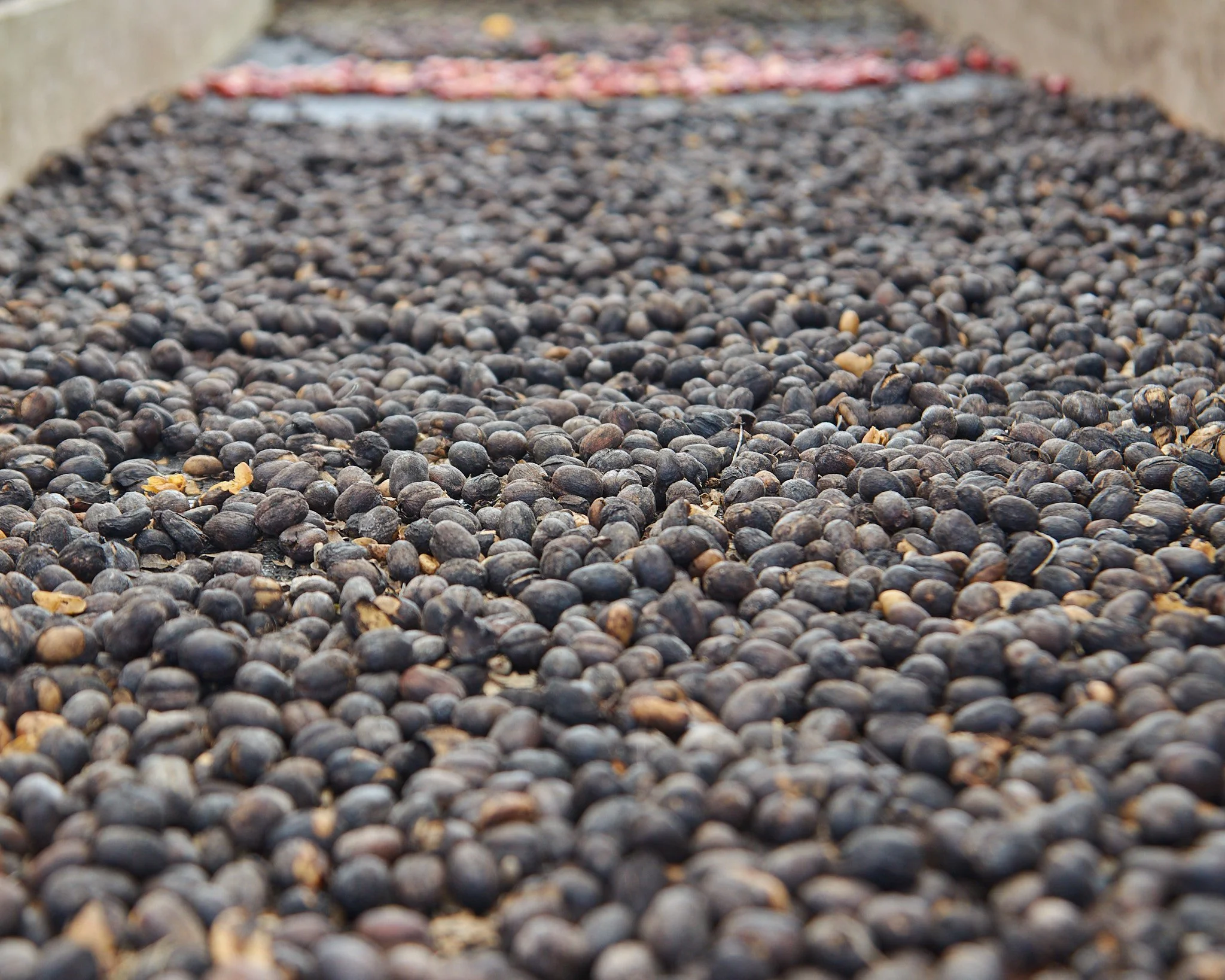
Next, the cherries are processed to remove the outer fruit, leaving the coffee bean ready for drying.
Unlike many farms where beans are sun-dried, Petrels Farm uses a shaded, controlled drying process. The beans are spread out on raised racks or covered patios, where airflow slowly removes moisture without exposing them to direct sunlight. This gentle method preserves the delicate flavors that come from the Galápagos volcanic soil and gives the coffee its signature clean, rich taste.
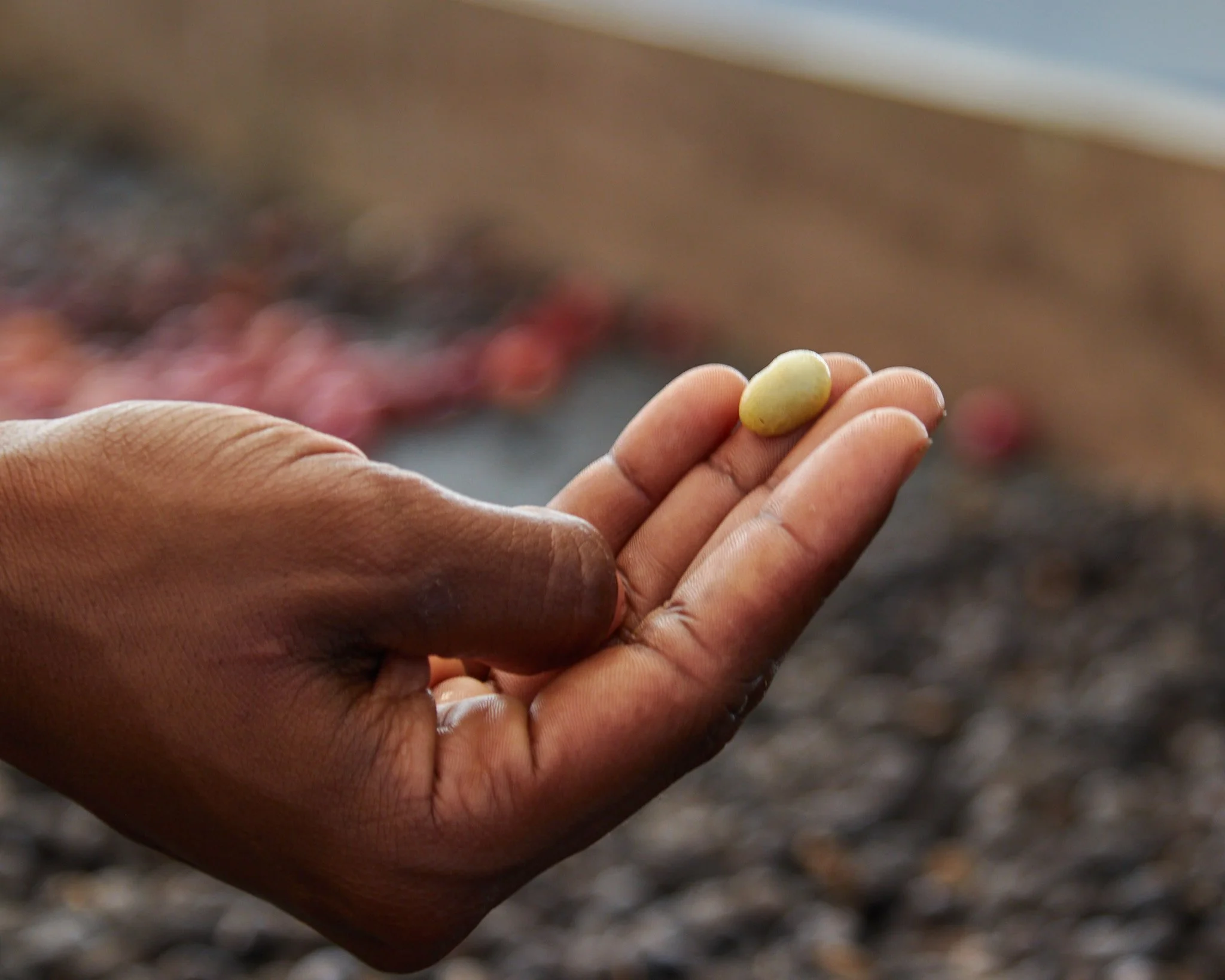
3. Removing the Husk
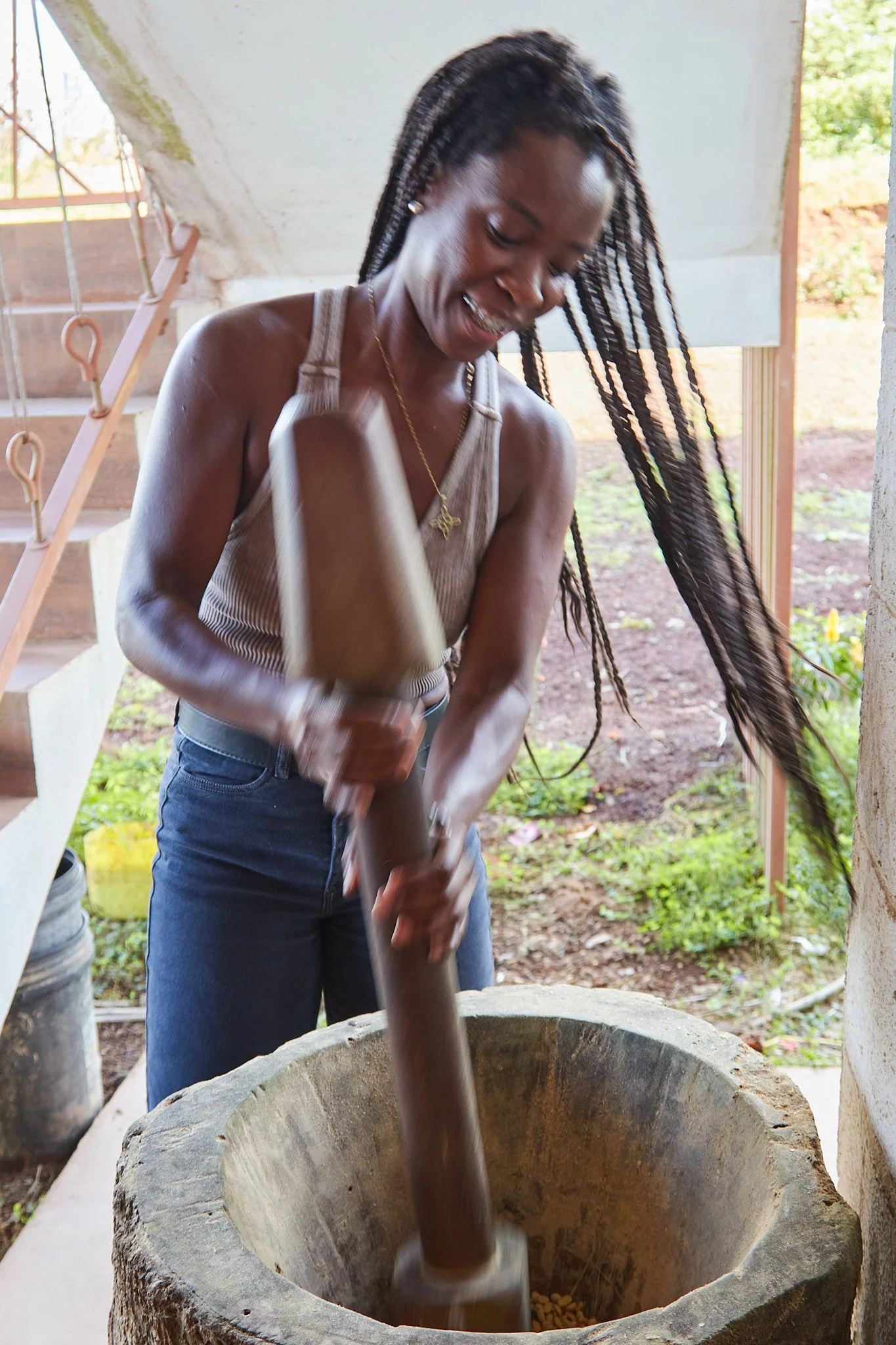
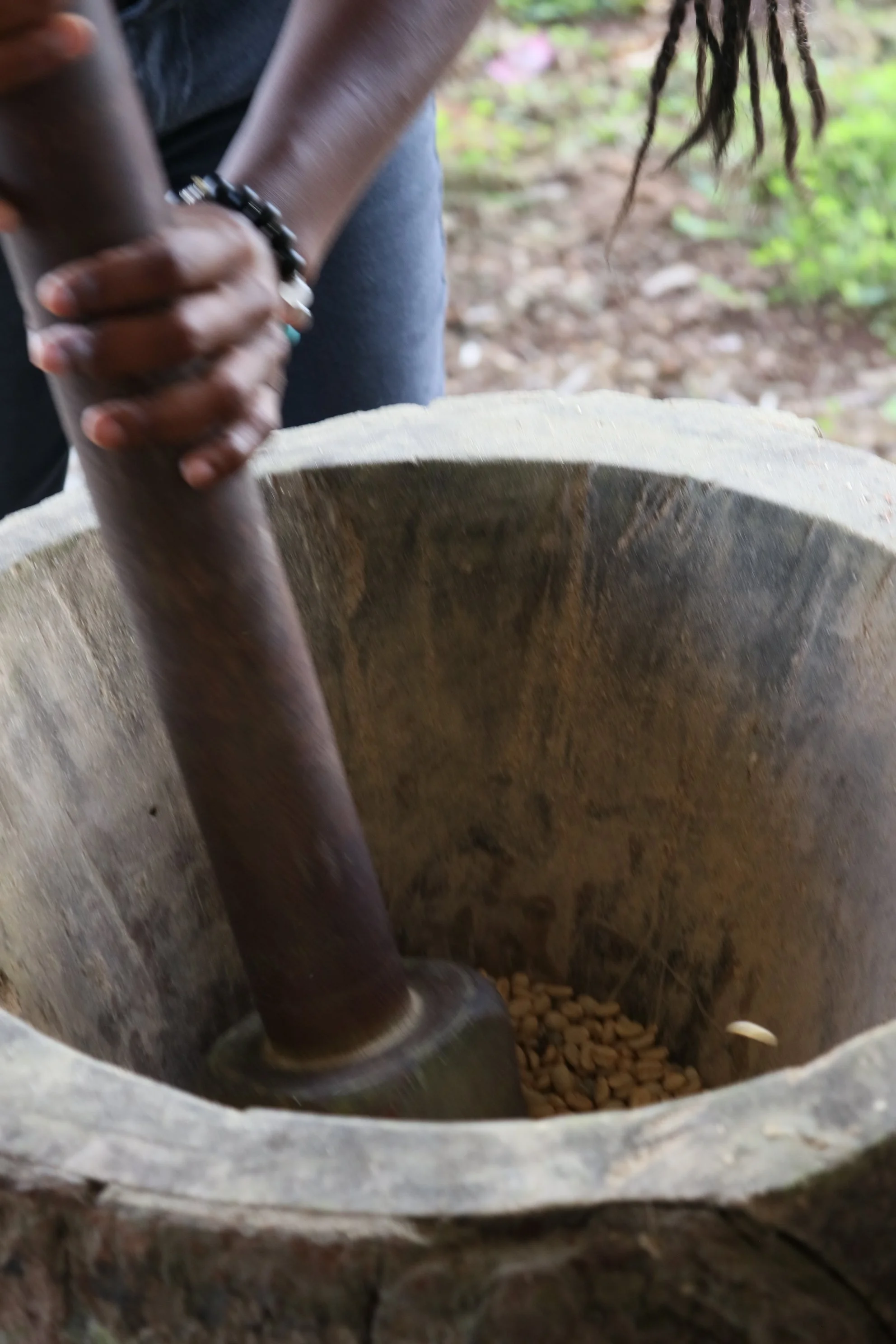
One of the most fascinating parts of the tour is seeing the traditional method used to remove the outer husk. Using a large wooden mortar and pestle, the dried coffee cherries are gently pounded to separate the beans from their protective outer layer. It’s a simple process that has been used for generations.
4. Winnowing the Beans
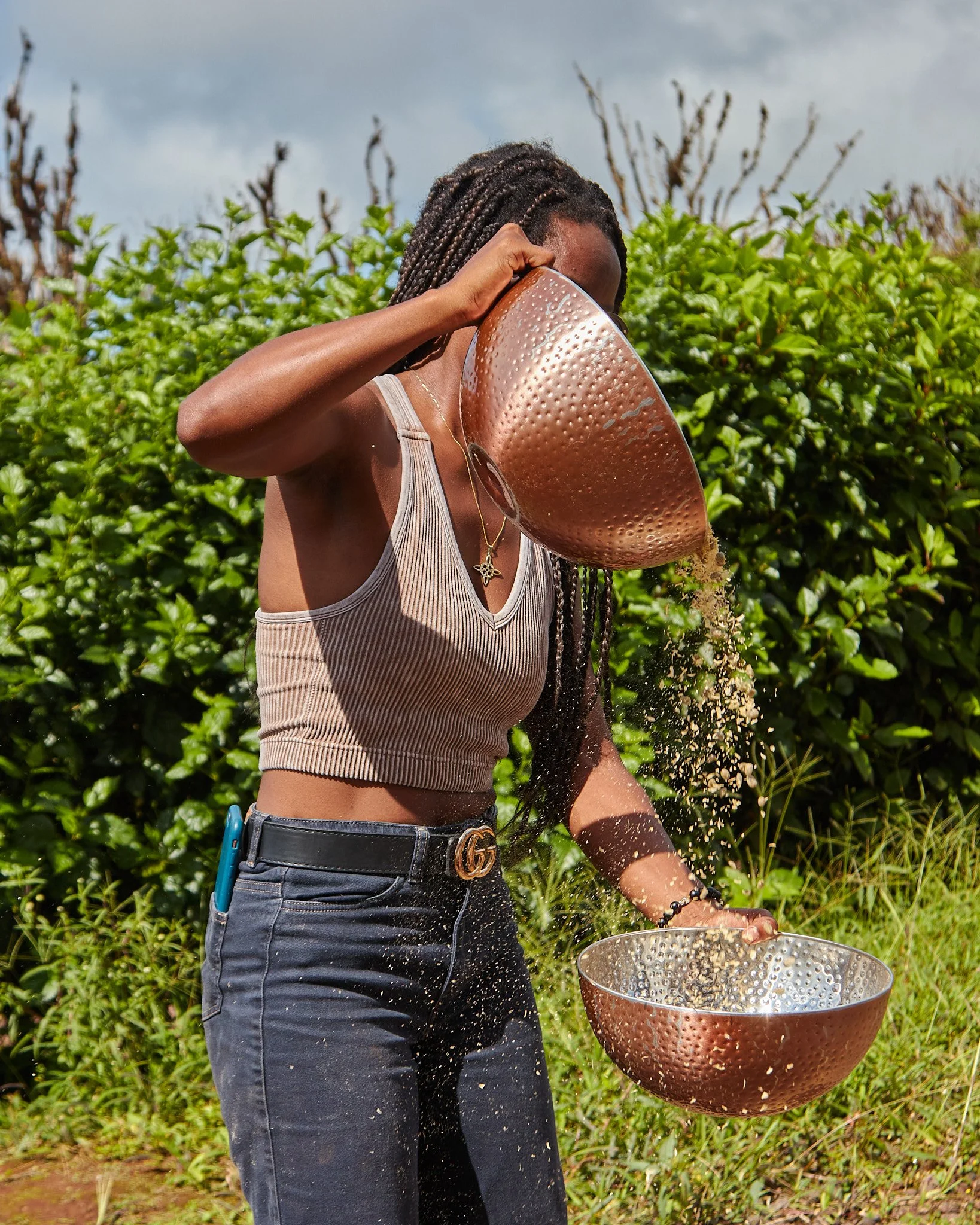
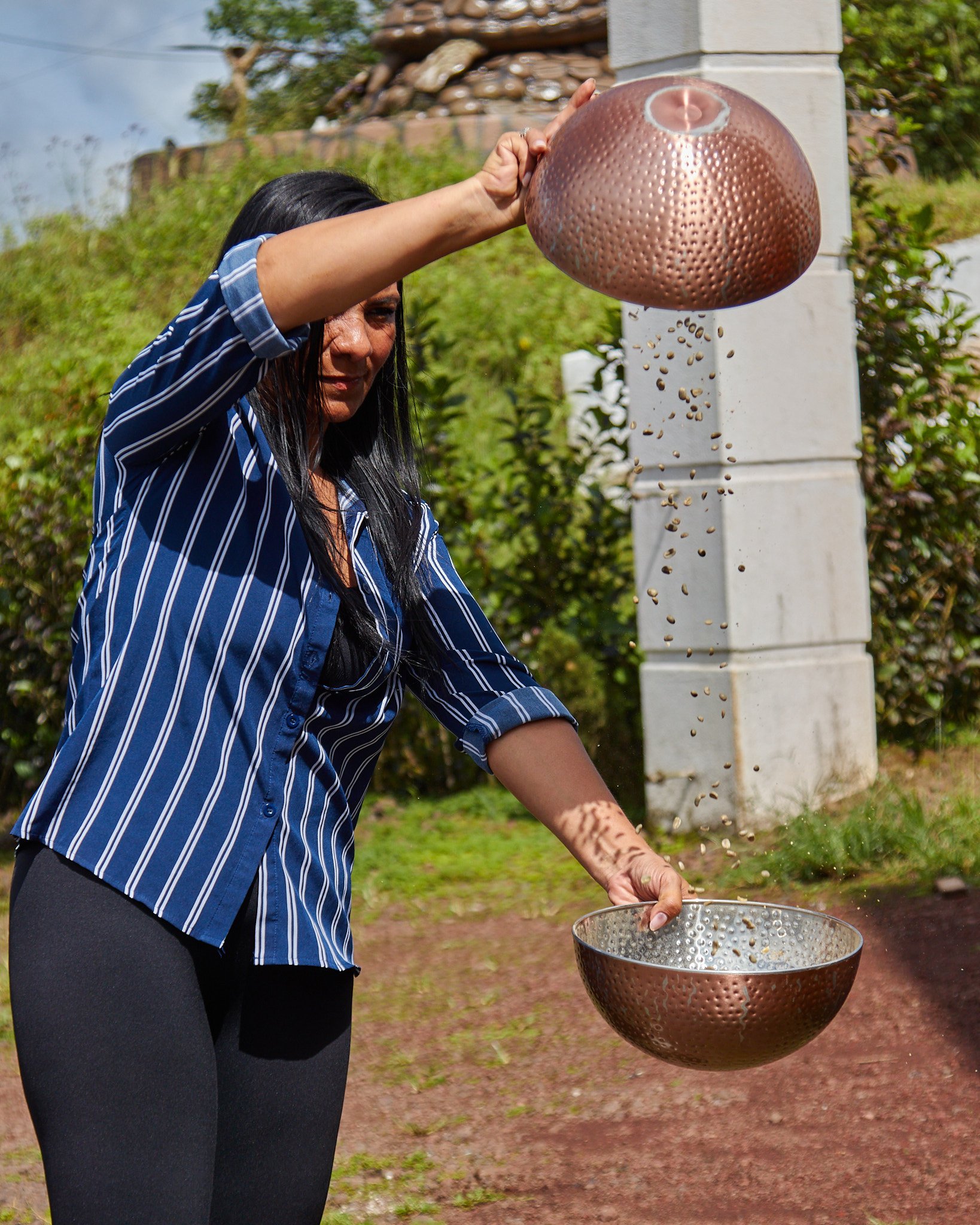
After the husk is loosened, the beans are tossed between bowls to allow the lighter husk fragments to blow away in the breeze. This step, known as winnowing, is both practical and mesmerizing to watch. Beans cascade through the air as the outer layers fall away, leaving the clean green coffee beans behind.
5. Sorting the Green Coffee Beans
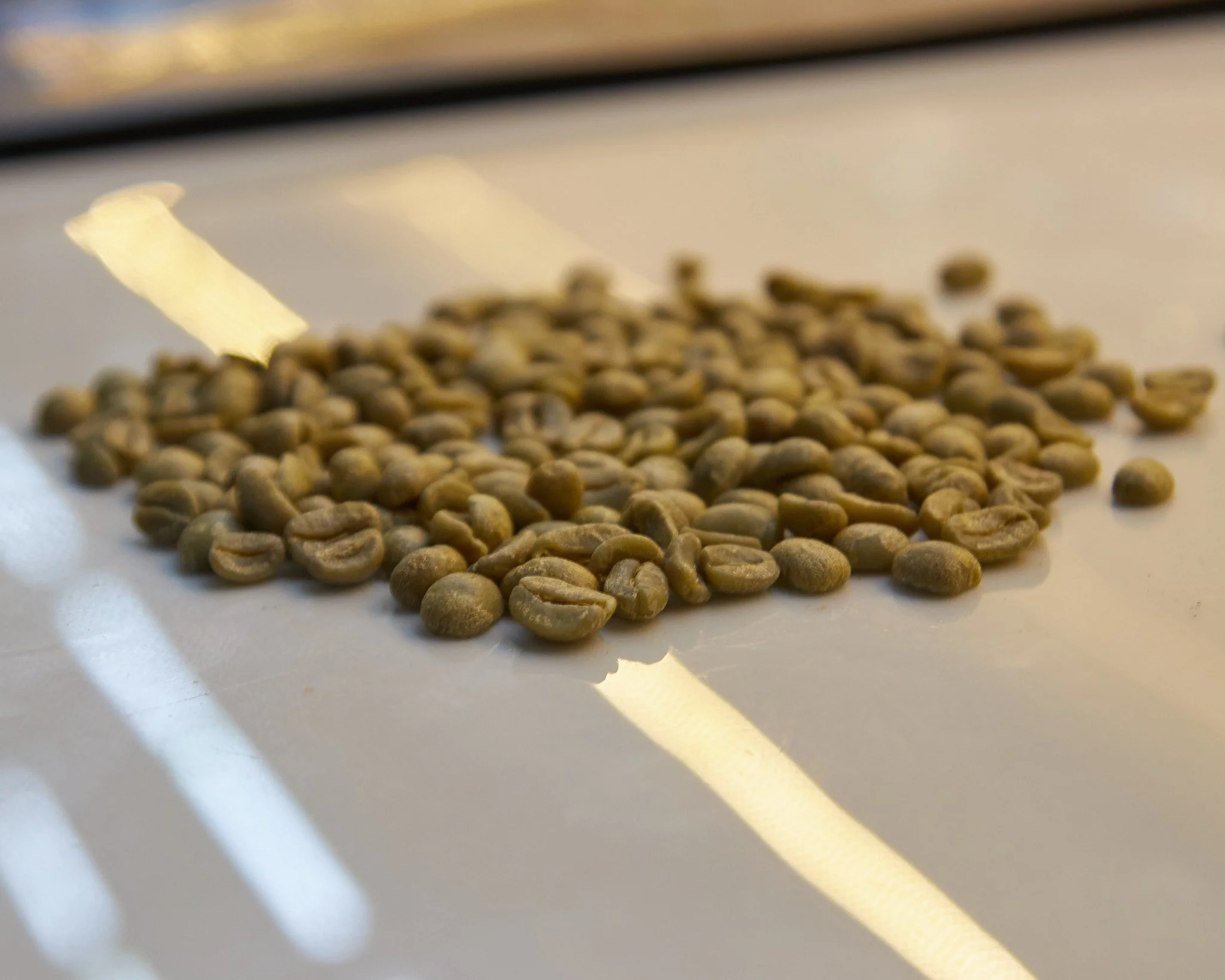
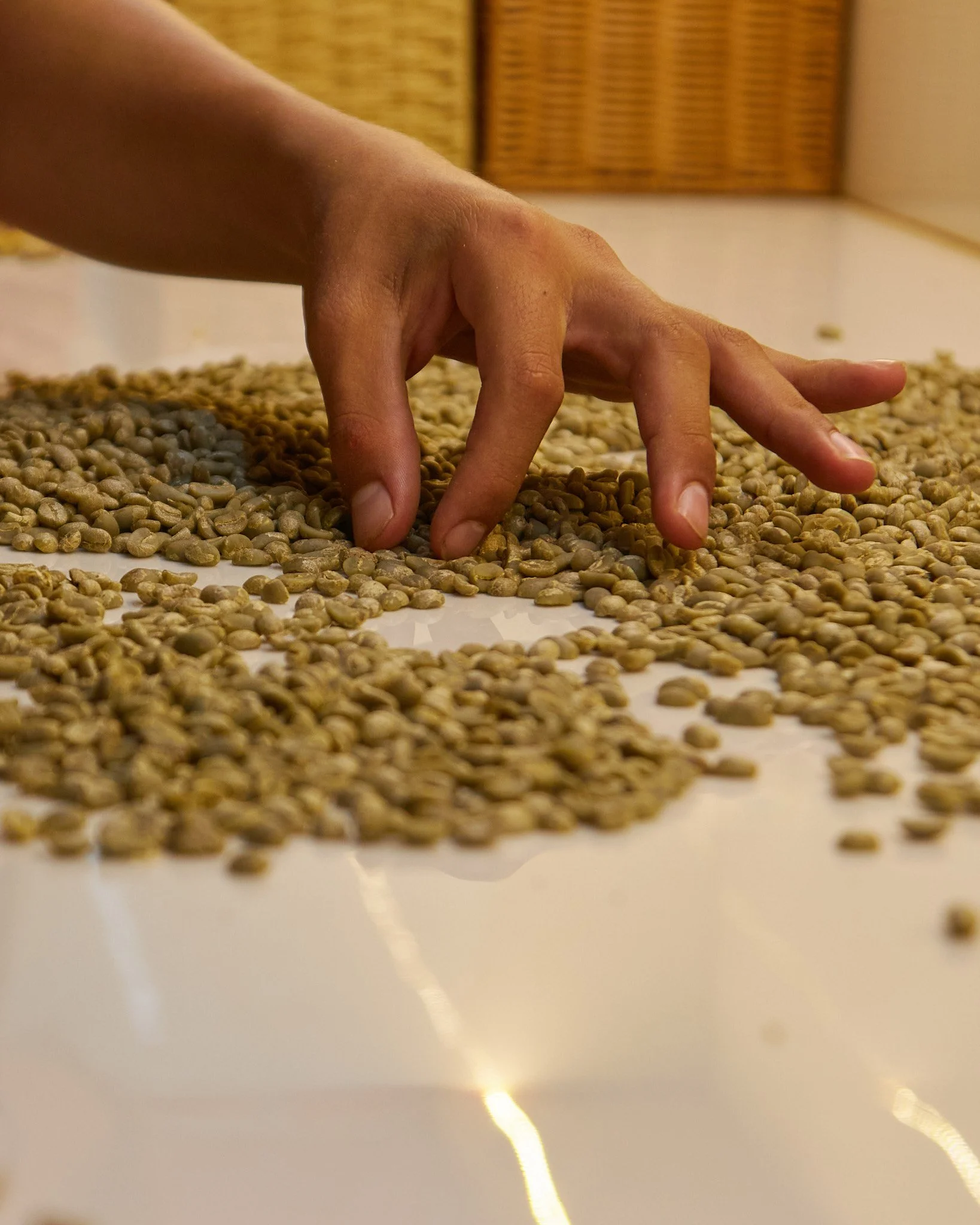
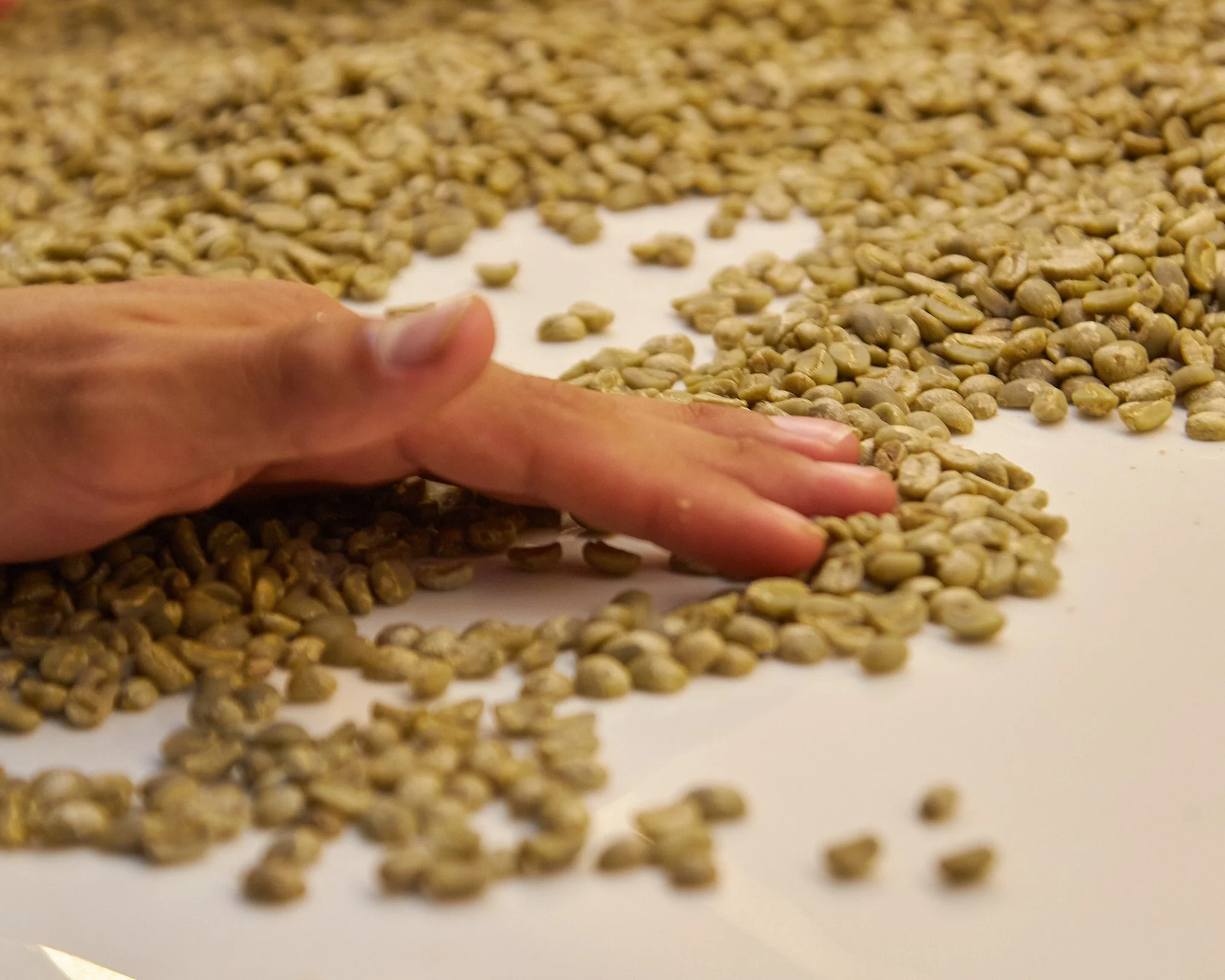
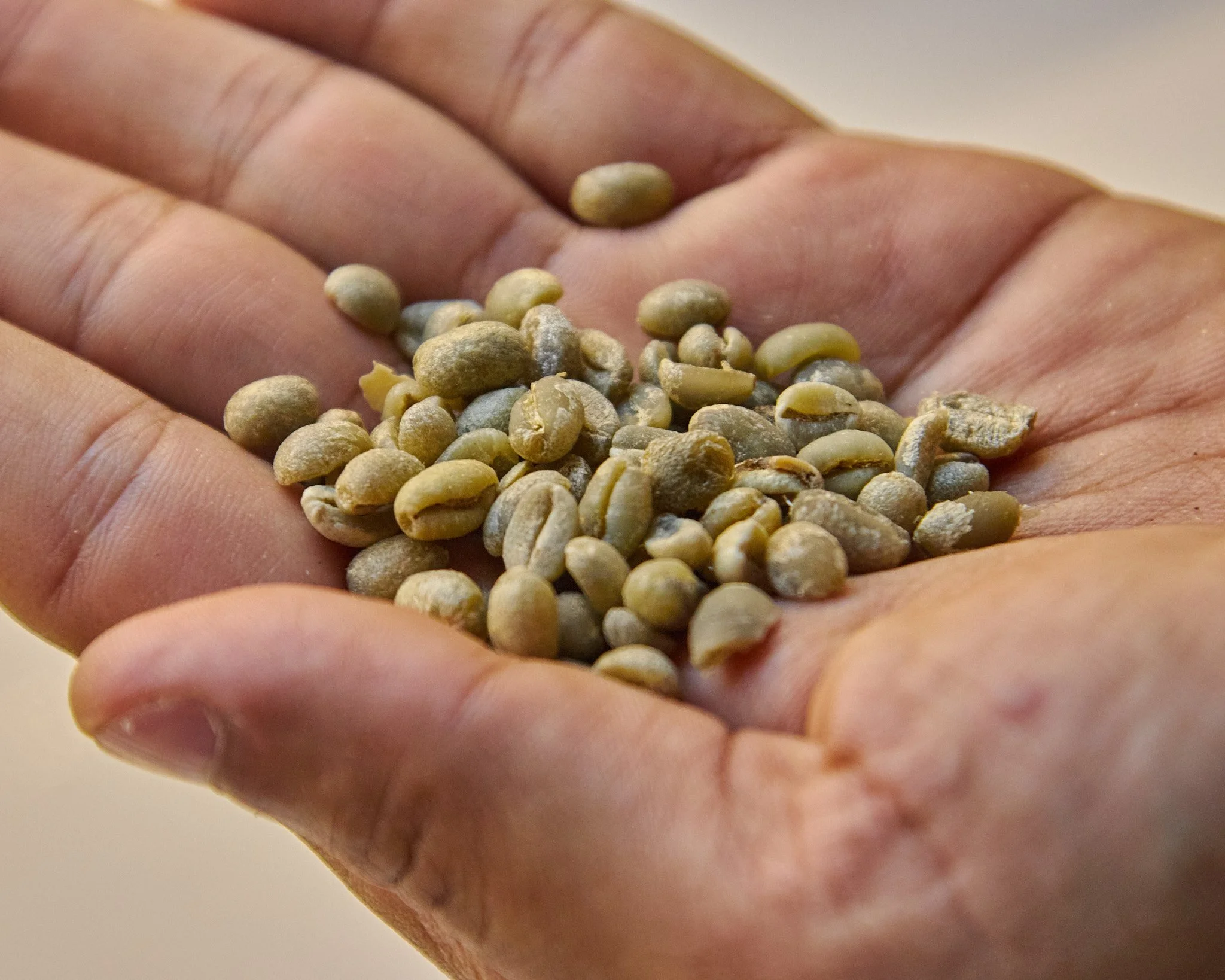
Once the husks are removed, the beans are inspected again to ensure only the best ones move forward. At this stage, they appear pale green, very different from the dark roasted beans most of us are familiar with.
6. Roasting the Coffee
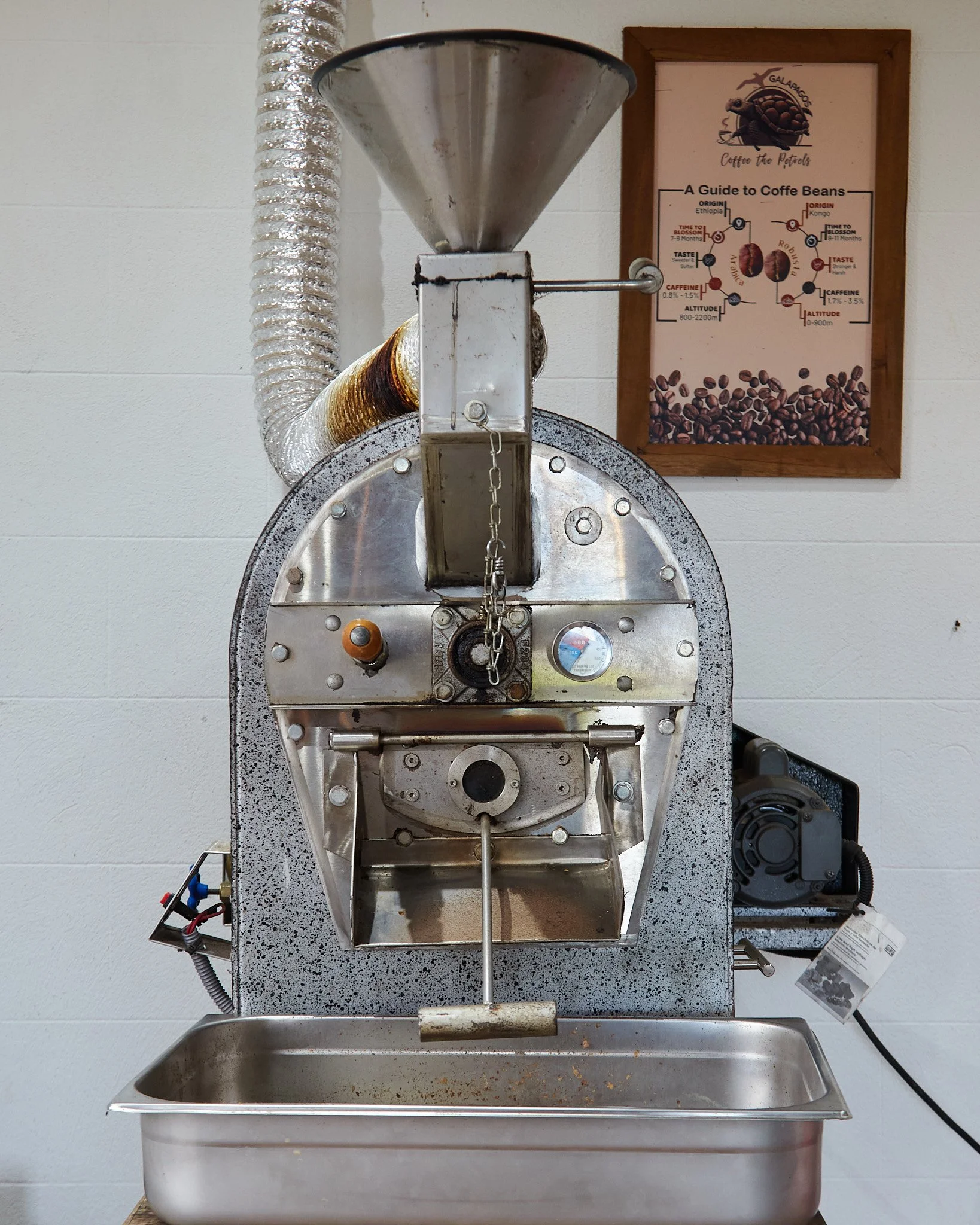
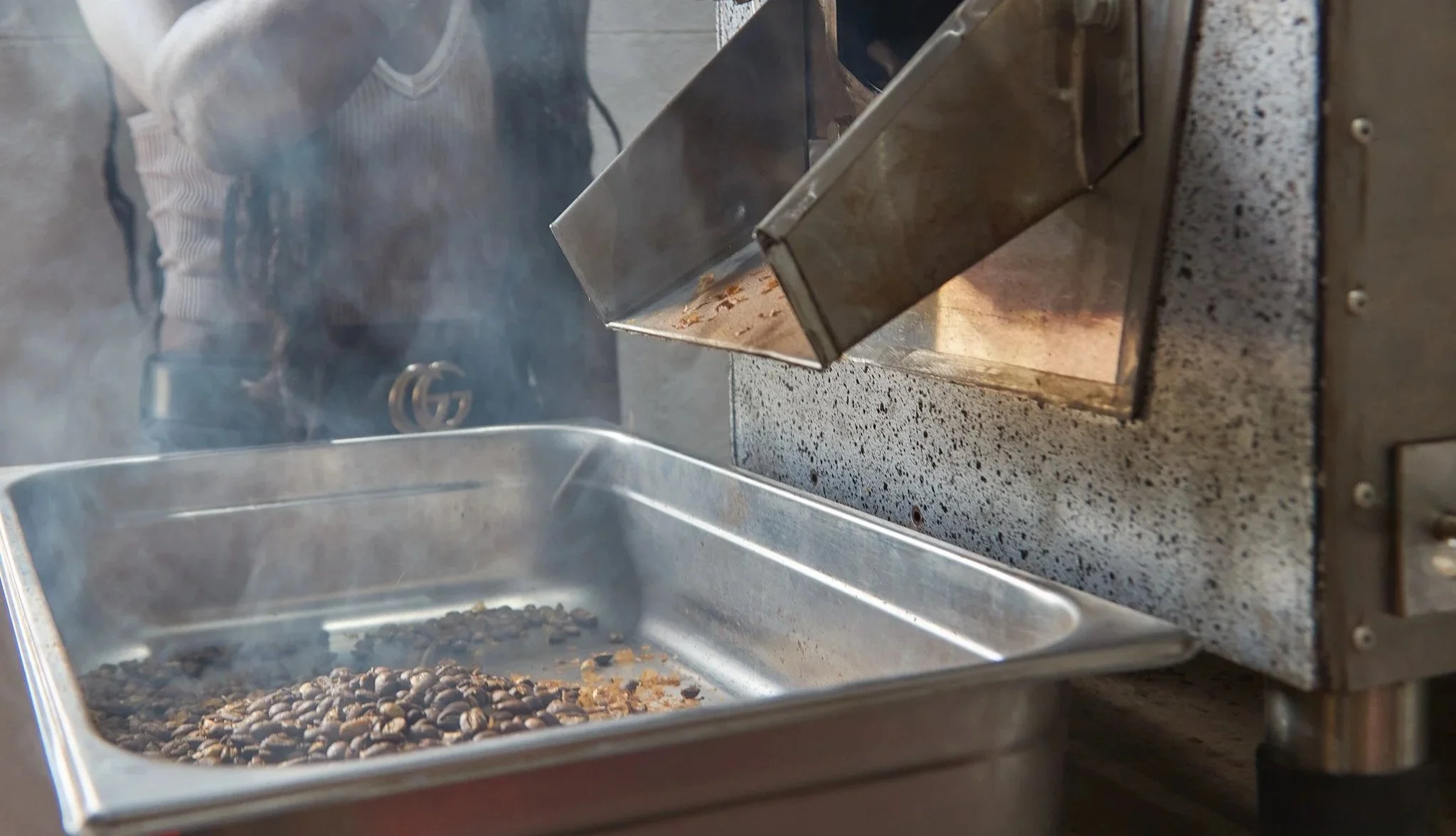
Next comes roasting, the step where coffee begins to develop its signature aroma and flavor. The green beans are roasted in a machine on-site, slowly transforming into the dark, fragrant beans we recognize. The smell of freshly roasting coffee fills the room, and it’s absolutely incredible.
7. Packaging the Coffee
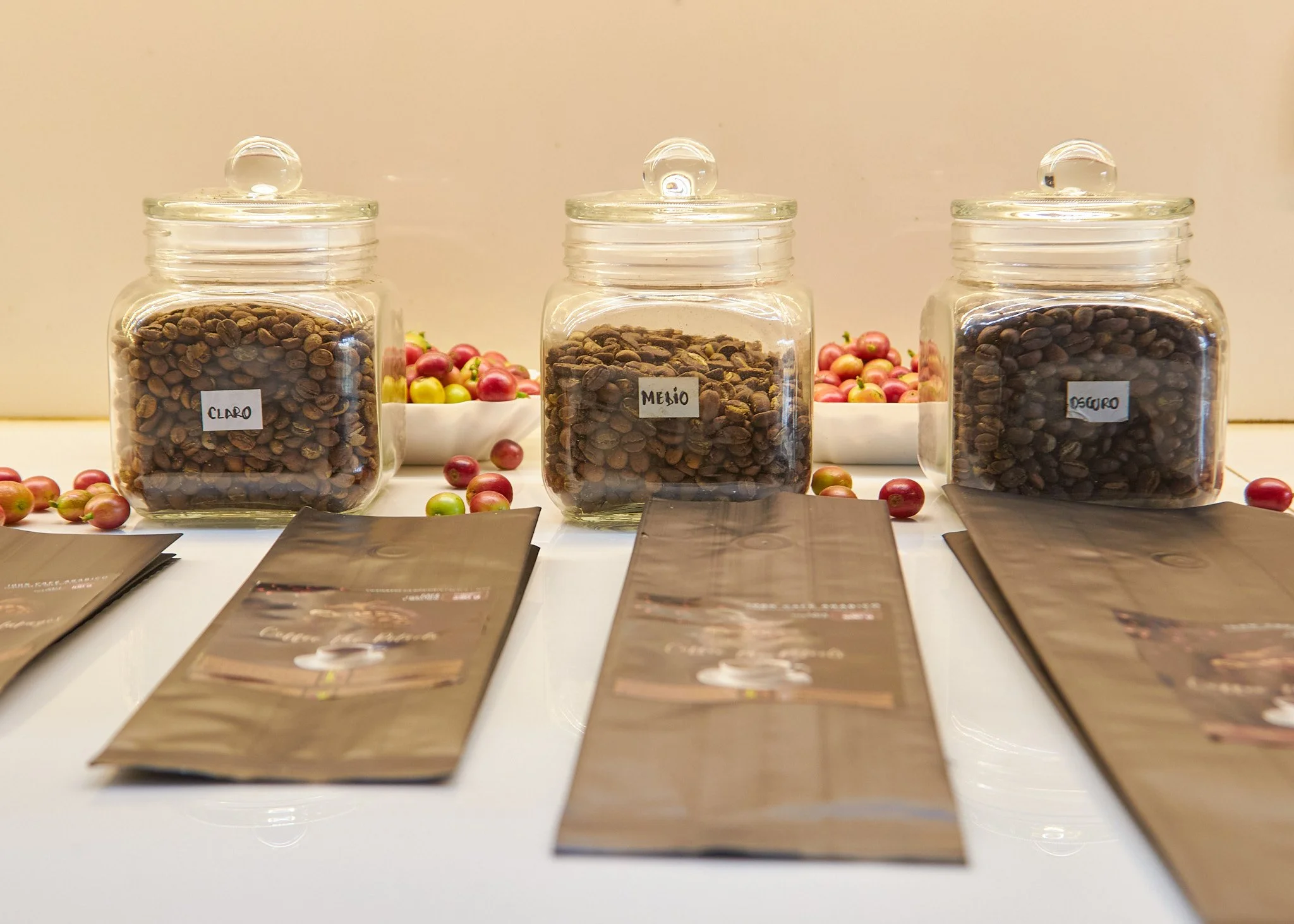
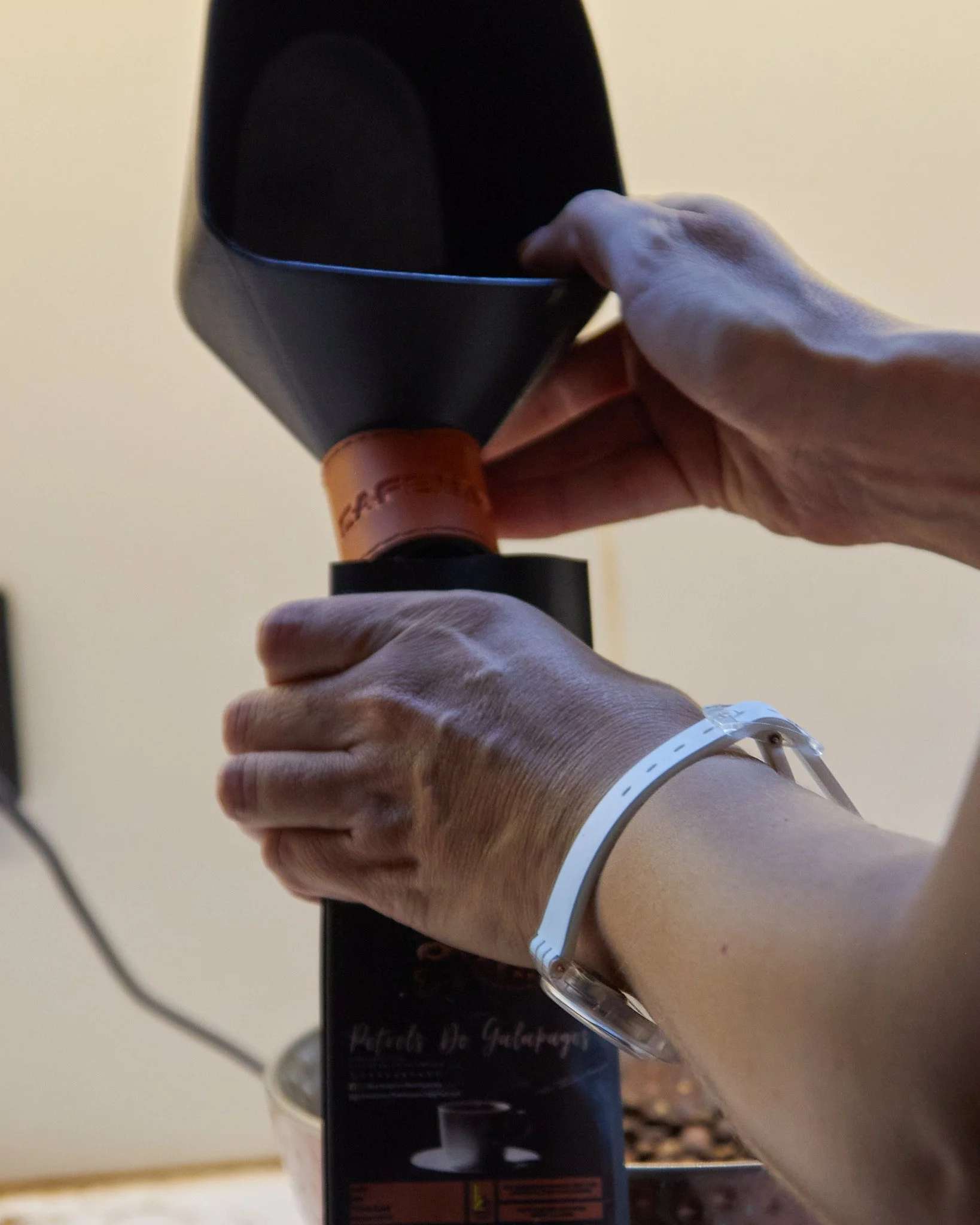
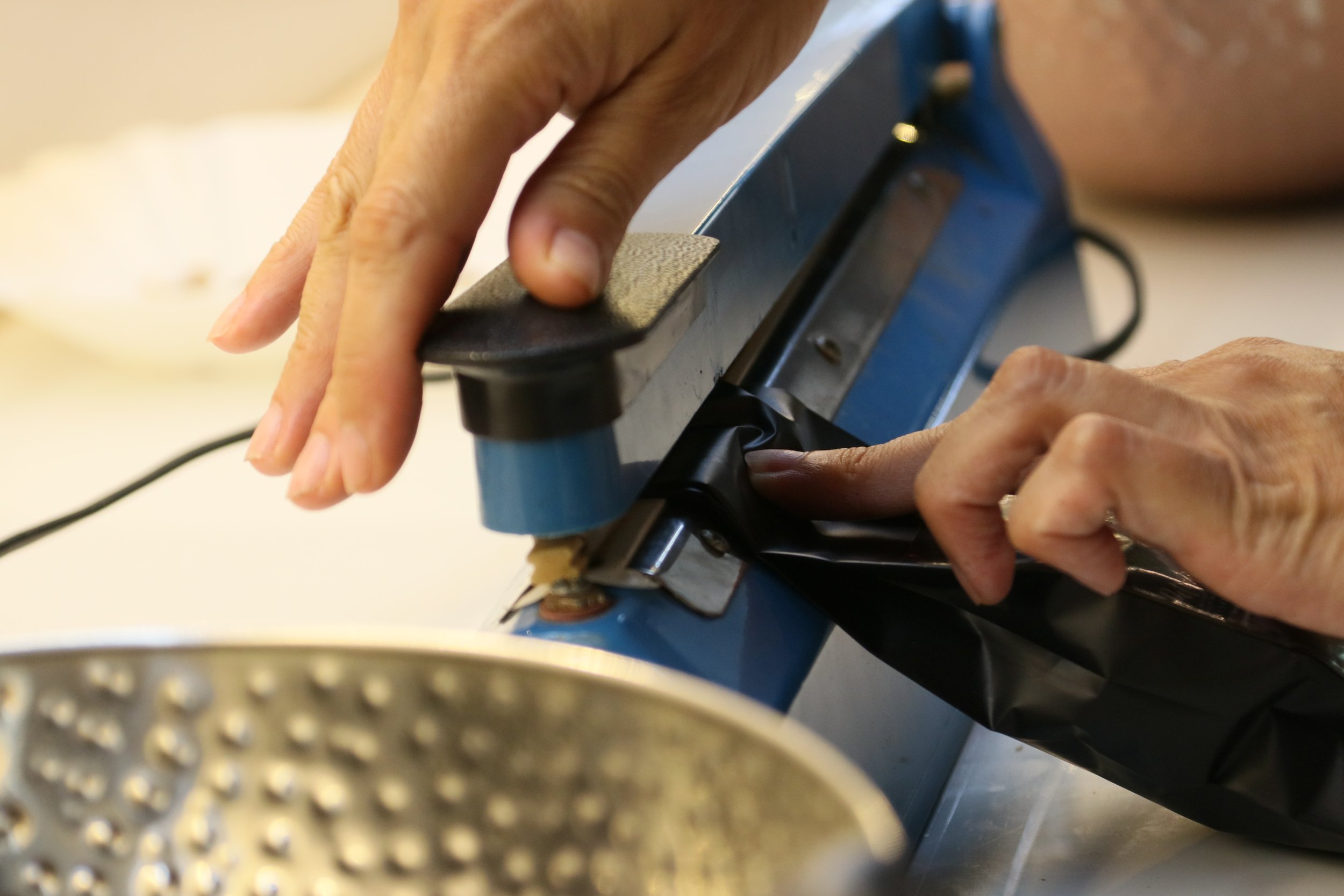
After roasting, the coffee is packaged directly at the farm. Seeing the finished bags labeled Petrels De Galápagos makes the process feel complete, from the plant outside to the product in your hands. The best part if the farm gives you a sample bag to take back home.
8. Tasting the Final Cup
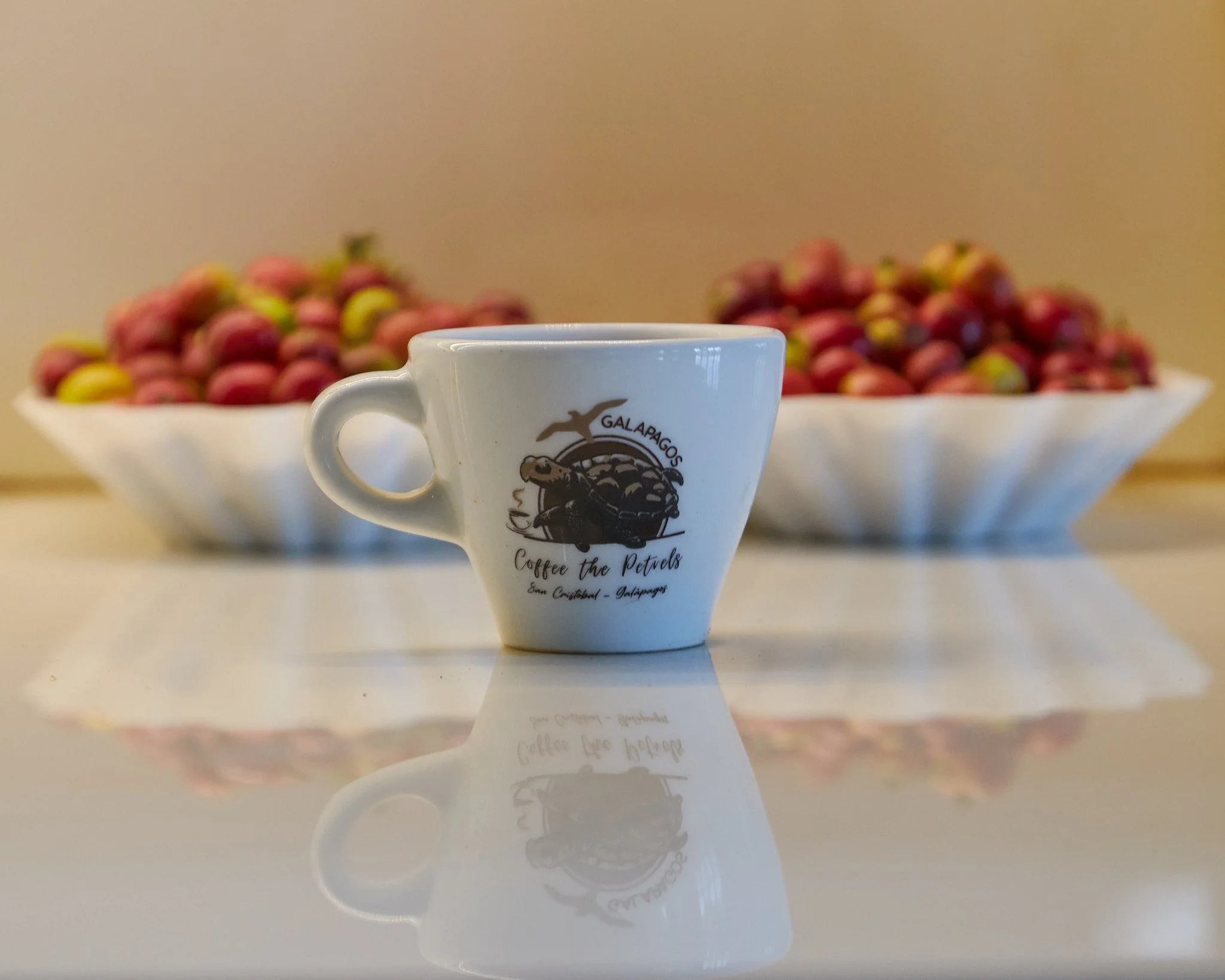
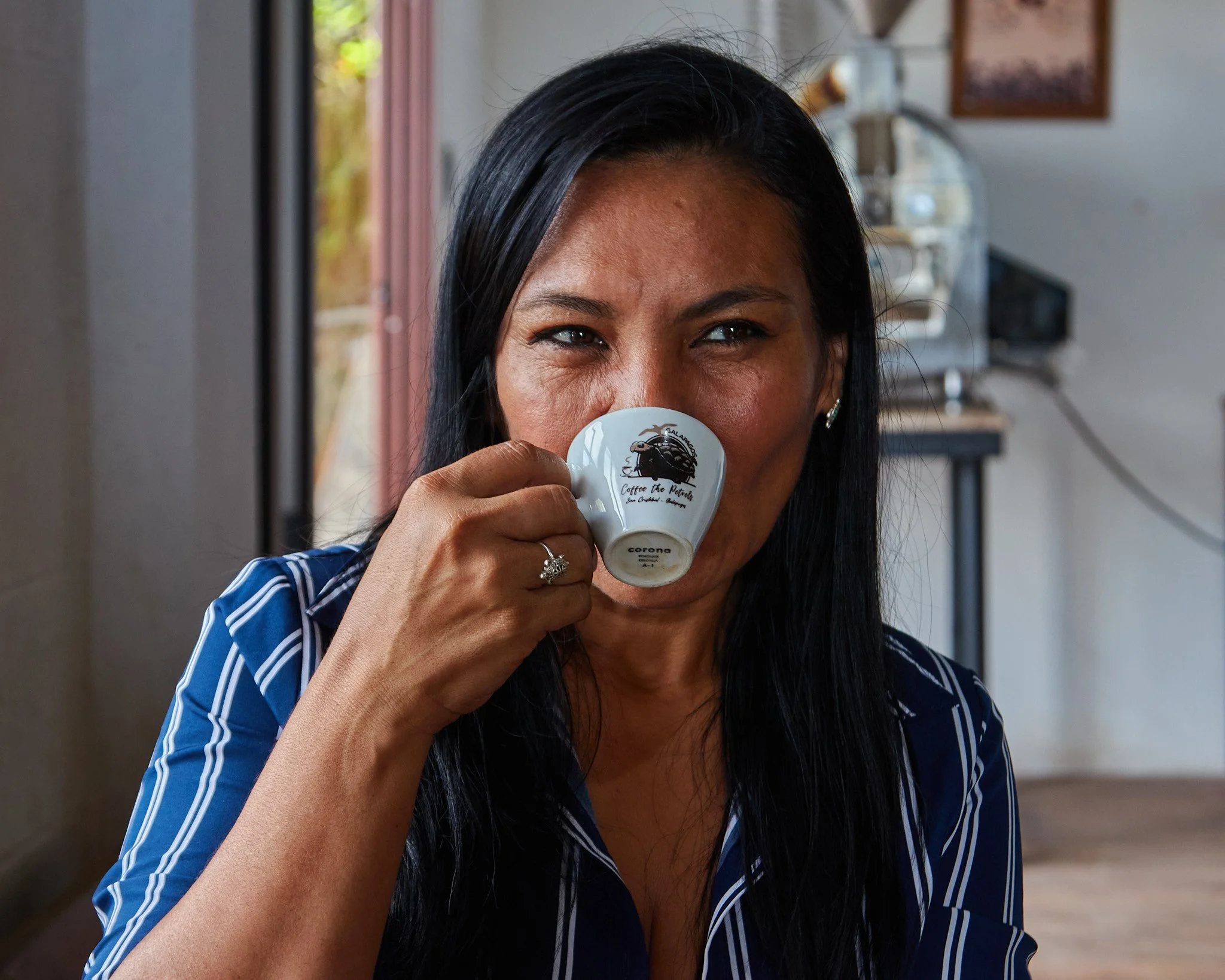
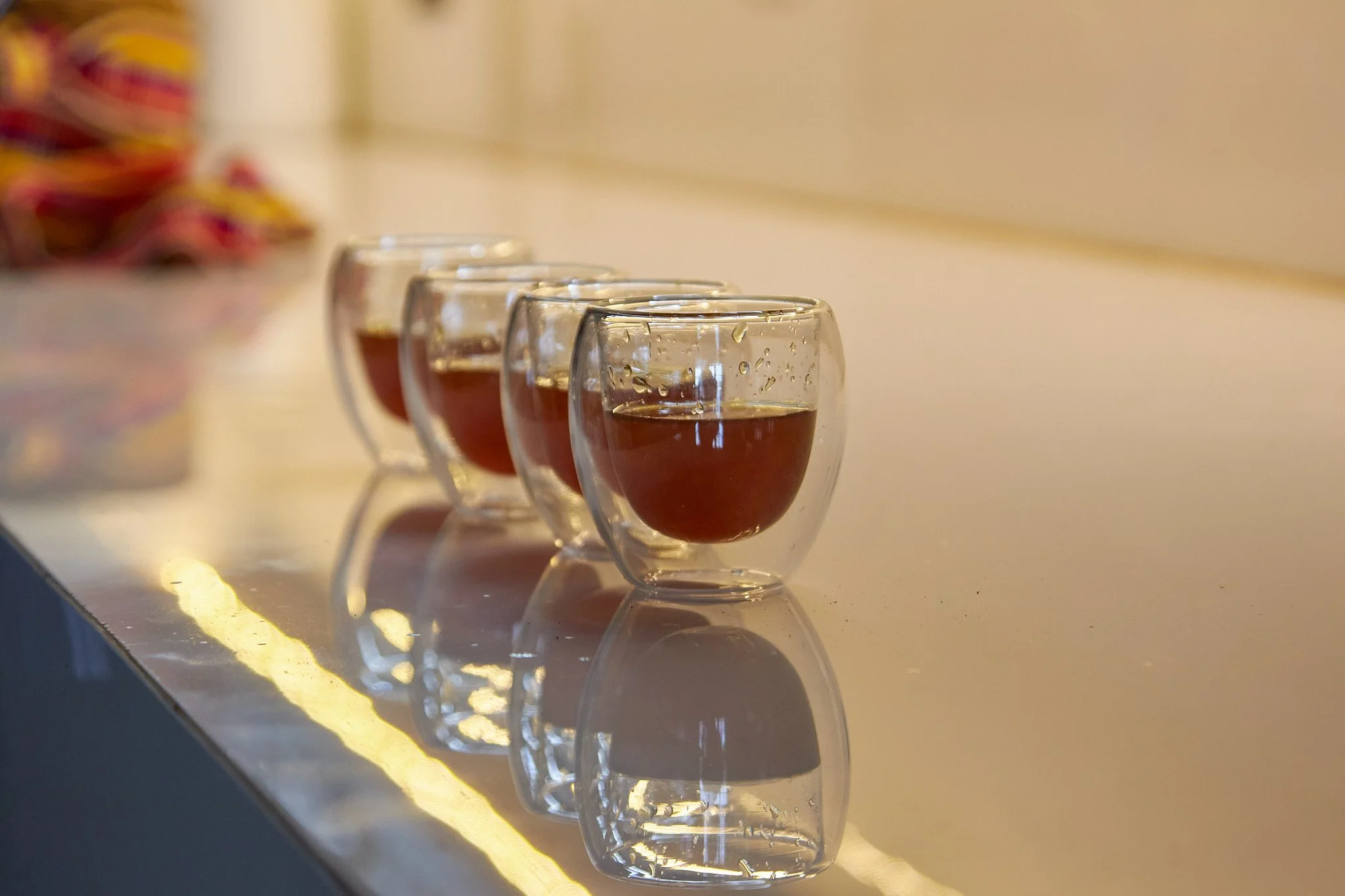
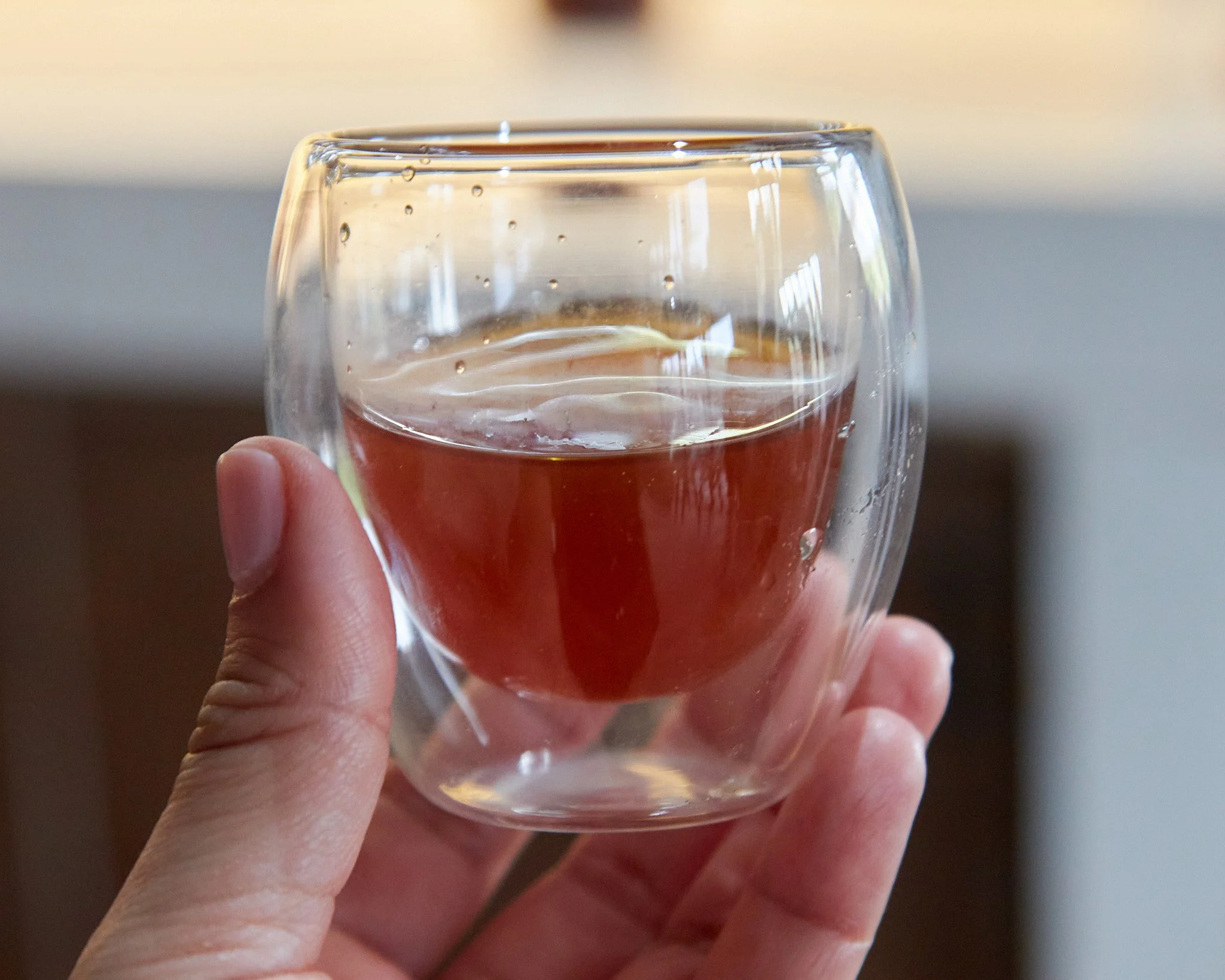
The experience ends the best possible way: with a cup of freshly brewed coffee. Sitting down to taste it after witnessing the entire process makes the moment feel more meaningful. Every sip carries the story of the farm, the land, and the work that went into producing it.
Why Visiting Petrels Farm Is Worth It
Most activities in the Galápagos revolve around the ocean: snorkeling, diving, wildlife excursions, and coastal hikes. Petrels Farm offers something different. It’s a chance to slow down and connect with the land. Walking through the farm, learning the traditional coffee process step by step, and meeting the people behind it gives you a deeper understanding of life on San Cristóbal Island.
Even more exciting, Petrels Farm plans to offer accommodations for guests in the near future, allowing visitors to stay right on the property. Imagine waking up in the lush highlands of San Cristóbal, surrounded by coffee plants, and starting the day with a cup grown just steps away.
It’s the kind of experience that makes visiting the Galápagos feel even more special, and I look forward to having the chance to do it one day.

A Different Way to Experience the Galápagos
Visiting Petrels Farm was one of the most memorable experiences of my time on San Cristóbal Island. It’s the kind of place that quietly changes how you think about coffee, and about travel. Sometimes the unexpected moments become the most rewarding.
✧ For the intentionally curious traveler - pass it on.
This post is part of my larger guide to San Cristóbal Island. If you're planning a trip to Ecuador , you might also enjoy:
A Complete San Cristóbal Island Guide: 5 Easygoing Days in the Galápagos
A Frequent Visitor's Insider Guide to the Best 5 Days in and Around Quito, Ecuador
5 Wonders of Mindo Cloud Forest, Ecuador: A Perfect Day Guide for Anyone
3 Days in Cuenca: The Ultimate Guide to Ecuador’s Hidden Gem

Karen Gomez
I'm a NYC-based travel writer, photographer, and the founder of Passport in Photos — for those who want to feel somewhere, not just see it.